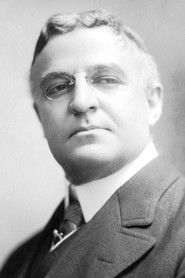
Frank Losee
Actor
Born: June 12, 1856 in Brooklyn, New York, United States Died: December 14, 1937 Active: 1880s-1917 Birth Name: Franklin Losee
Films
3 films
About Frank Losee
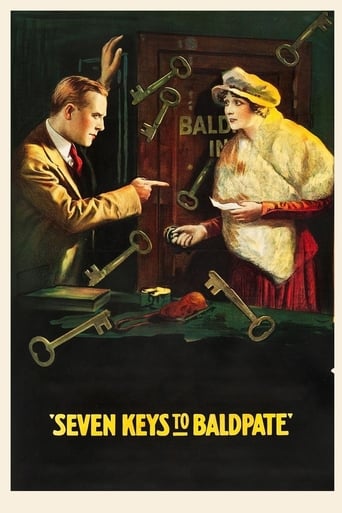
Made his mark during the transitional period between stage dominance and the rise of motion pictures. Primarily known as a theatrical performer, Losee brought his stagecraft to the emerging medium of cinema during the silent era. His most notable film appearance came in 1917's 'Seven Keys to Baldpate,' an adaptation of the popular stage play by George M. Cohan. Like many actors of his generation, Losee was drawn from the legitimate theater world to capitalize on the growing film industry, though his screen career remained brief. His theatrical background provided him with the dramatic presence and projection techniques that translated well to silent film performance. Despite his limited filmography, Losee represented the important bridge between 19th-century theatrical traditions and 20th-century cinematic artistry. His career exemplifies how many established stage actors cautiously explored the new medium of film during cinema's formative years.
The Craft
On Screen
Frank Losee's acting style was rooted in the 19th-century theatrical tradition, characterized by dramatic gestures, clear enunciation, and commanding stage presence. As a stage actor transitioning to silent film, he adapted his techniques to suit the camera's more intimate nature while maintaining the theatrical gravitas that defined his performances. His approach emphasized clear emotional expression through facial expressions and body language, essential for conveying meaning in silent cinema. Losee's performances were marked by a dignified, authoritative presence that made him particularly effective in roles requiring gravitas and respectability.
Milestones
- Prominent Broadway stage career spanning three decades
- Starred in the 1917 film adaptation of 'Seven Keys to Baldpate'
- Member of prestigious theatrical companies
- Transitioned successfully from stage to early cinema
- Known for character roles in dramatic productions
Best Known For
Iconic Roles
Must-See Films
Accolades
Special Recognition
- Recognized as a theatrical performer of his era
Working Relationships
Worked Often With
Studios
Why They Matter
Impact on Culture
Frank Losee's contribution to cinema, though brief, represents an important chapter in the history of American entertainment. As a stage actor who successfully transitioned to film, he was part of the generation of performers who helped legitimize motion pictures as a serious artistic medium. His appearance in 'Seven Keys to Baldpate' (1917) contributed to the early adaptation of theatrical works to film, a practice that would become increasingly common and influential in cinema history. Losee's career trajectory illustrates the fluid nature of entertainment careers in the early 20th century, when the boundaries between stage and screen were still being defined.
Lasting Legacy
Frank Losee's legacy lies primarily in his representation of the bridge between American stage theater and early cinema. While his film career was limited to a single known appearance, his broader theatrical career contributed to the rich foundation of American performing arts during the late 19th and early 20th centuries. His work in adapting stage performances to the new medium of film helped pave the way for future actors who would successfully navigate both worlds. Losee represents the many talented performers of his era who, while not achieving lasting film fame, played crucial roles in the development of American entertainment culture.
Who They Inspired
As a stage actor who transitioned to film, Frank Losee influenced subsequent generations of performers by demonstrating that theatrical skills could be successfully adapted to the medium of cinema. His work in early film adaptations of stage plays helped establish techniques for translating theatrical performances to screen that would be refined by later actors and directors. Losee's career path served as a model for other stage actors considering opportunities in the burgeoning film industry during the 1910s and 1920s.
Off Screen
Frank Losee maintained a relatively private personal life despite his public career in theater. He was part of the theatrical community during the golden age of American stage performance, a time when actors often formed tight-knit professional and social circles. His active years covered a crucial period in American entertainment history, witnessing the transition from stage-dominated entertainment to the rise of motion pictures. Losee's longevity in the entertainment business, from the 1880s through the 1910s, demonstrated his adaptability and enduring appeal to audiences across different media formats.
Education
Information not available in historical records, though likely received theatrical training common to actors of his era
Family
- Information not available in historical records
Did You Know?
- 'Seven Keys to Baldpate' was so popular it was filmed at least seven times between 1917 and 1983
- The original play was written by George M. Cohan, one of America's greatest theatrical figures
- Frank Losee was in his early 60s when he made his film debut
- The 1917 version of 'Seven Keys to Baldpate' is now considered a lost film
- Losee's stage active years covered over three decades before his film appearance
- He was part of the generation of actors who witnessed the birth of the American film industry
- The transition from stage to film was common for established actors in the 1910s
- Silent film actors needed exaggerated expressions to convey emotion without dialogue
- Many early films were adaptations of successful stage plays to attract theater audiences
- Actors from legitimate theater were initially reluctant to appear in films, considering them inferior
In Their Own Words
Information not available in historical records
Frequently Asked Questions
Who was Frank Losee?
American stage and film with credits in this catalog. He was primarily known for his theatrical career and made a notable appearance in the 1917 silent film 'Seven Keys to Baldpate,' representing the transition of stage actors to early cinema.
What films is Frank Losee best known for?
Titles linked here include Seven Keys to Baldpate (1917).
When was Frank Losee born and when did he die?
Born June 12, 1856; died December 14, 1937.
What awards did Frank Losee win?
There are no recorded major awards or nominations for Frank Losee, which was common for actors of his era during the early days of cinema. His recognition came primarily from his reputation as a respected stage actor and his contributions to theatrical productions.
What was Frank Losee's acting style?
Frank Losee's acting style was rooted in 19th-century theatrical tradition, characterized by dramatic gestures and commanding presence. As he transitioned to silent film, he adapted his stage techniques to suit the camera, emphasizing clear emotional expression through facial expressions and body language essential for silent cinema.