Mabel Ballin
Actor
Born: January 1, 1887 in Philadelphia, Pennsylvania, USA Died: July 24, 1958 Active: 1917-1925 Birth Name: Mabel Croft
Films
2 films
About Mabel Ballin
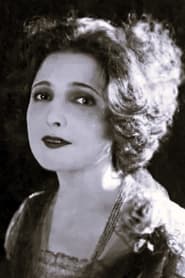
Talented American silent film actress who began her career on Broadway before transitioning to motion pictures in 1917. Discovered by director James Kirkwood, she quickly rose to prominence in the late 1910s and early 1920s, becoming known for her expressive performances in dramatic roles. In 1917, she married director Hugo Ballin, who would direct many of her most significant films, creating one of the era's notable creative partnerships. Her career peaked between 1918 and 1923, during which she starred in numerous successful productions including 'The Danger Game' (1918), 'The House of Mirth' (1918), and 'The Man Who Fights Alone' (1923). Ballin was particularly praised for her ability to convey complex emotions through subtle facial expressions and body language, a crucial skill in the silent era. When her husband left the film industry in 1925 to pursue painting, she retired from acting to support his artistic transition, demonstrating her devotion to their partnership. Though her film career was relatively brief, spanning less than a decade, Mabel Ballin left a lasting impression on silent cinema with her naturalistic acting style and compelling screen presence.
The Craft
On Screen
Mabel Ballin was known for her naturalistic and subtle acting style, which was somewhat ahead of its time in the silent era. Rather than relying on the exaggerated gestures common among many of her contemporaries, she employed nuanced facial expressions and restrained body language to convey complex emotions. Critics often praised her ability to portray sophisticated, intelligent women with depth and authenticity. Her performances were characterized by a quiet intensity that drew audiences into her characters' inner lives, making her particularly effective in dramatic roles. Ballin's approach to acting helped bridge the gap between theatrical pantomime and the more naturalistic style that would become standard in later sound films.
Milestones
- Broadway debut before transitioning to films
- Film debut in 1917 after being discovered by James Kirkwood
- Marriage to director Hugo Ballin in 1917, beginning creative partnership
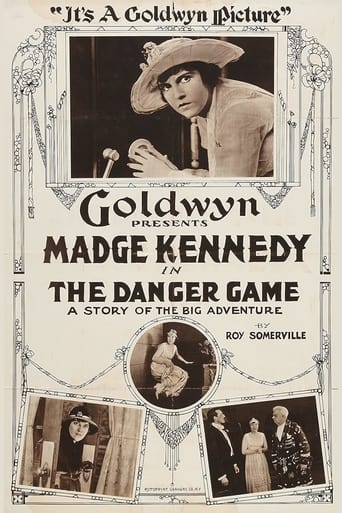
- Starring role in 'The Danger Game' (1918)
- Critical acclaim for 'The House of Mirth' (1918)
- Leading role in 'The Man Who Fights Alone' (1923)
- Retirement from films in 1925 to support husband's painting career
Best Known For
Iconic Roles
Must-See Films
Accolades
Special Recognition
- Recognized as one of the leading actresses of the silent era by film historians
Working Relationships
Worked Often With
Studios
Why They Matter
Impact on Culture
Mabel Ballin contributed to the evolution of acting style in silent cinema through her more naturalistic approach, which contrasted with the theatrical pantomime common in the early 1910s. Her performances helped demonstrate that subtle, nuanced acting could effectively convey emotion and story without dialogue or exaggerated gestures. As one of the prominent actresses of the late silent period, she participated in the transition toward more sophisticated storytelling techniques that would become standard in the sound era. Her work with husband Hugo Ballin represented one of the era's successful creative partnerships between actor and director, showcasing how personal chemistry could enhance on-screen performances. Though she retired before the sound revolution, her films remain valuable examples of the artistic maturation occurring in silent cinema during its final decade.
Lasting Legacy
Mabel Ballin's legacy lies in her contributions to the artistic development of silent film acting, particularly through her naturalistic style that helped bridge the gap between theatrical performance and cinematic realism. Her films, especially those directed by her husband Hugo Ballin, are studied by film historians as examples of the sophisticated storytelling techniques emerging in the late silent period. While she did not achieve the lasting fame of contemporaries like Mary Pickford or Lillian Gish, Ballin is remembered by silent cinema enthusiasts for her compelling performances and the quality of her film productions. Her decision to retire from acting to support her husband's artistic transition has been noted as an example of the personal sacrifices sometimes made in relationships, even in the seemingly glamorous world of early Hollywood. Today, her surviving films serve as important artifacts of the transitional period in American cinema when acting styles were evolving toward greater naturalism.
Who They Inspired
Mabel Ballin influenced subsequent generations of actors through her demonstration that subtle, restrained performances could be powerful in cinema, helping pave the way for the naturalistic acting style that would become standard in sound films. Her work showed aspiring actors that emotional truth could be conveyed through minimal gestures and authentic facial expressions rather than theatrical exaggeration. While she did not directly mentor famous actors who came after her, her films served as examples for performers studying the evolution of screen acting. Ballin's approach particularly influenced actresses specializing in dramatic roles, demonstrating how intelligence and emotional depth could be portrayed on screen. Her career also illustrated the possibilities for creative partnerships between actors and directors, a model that would be emulated by later couples in the film industry.
Off Screen
Mabel Ballin's personal life was marked by her devoted marriage to director Hugo Ballin, which lasted from 1917 until her death in 1958. The couple met when he directed her in one of her early films, and their professional collaboration quickly blossomed into romance. Unlike many Hollywood marriages of the era, their relationship was notably stable and supportive, with Hugo directing Mabel in many of her most successful films. When Hugo decided to leave the film industry in 1925 to pursue painting, Mabel retired from acting without hesitation to support his new artistic direction. The couple had no children but maintained a close relationship throughout their lives. After retiring from films, Mabel devoted herself to managing her husband's painting career and their personal life, staying out of the public eye. She remained married to Hugo until his death in 1956, passing away herself two years later in Woodland Hills, California.
Education
Limited information available, but known to have received theatrical training that prepared her for Broadway career
Family
- Hugo Ballin (1917-1956, until his death)
Did You Know?
- Began her career as a stage actress on Broadway before transitioning to silent films
- Married director Hugo Ballin in 1917, who directed many of her films
- Sometimes credited as 'Mrs. Hugo Ballin' in film credits
- Retired from acting in 1925 when her husband left the film industry to become a painter
- Her birth year is sometimes listed as 1888 instead of 1887 due to conflicting records
- Was discovered by director James Kirkwood while performing on stage
- Made her film debut in 1917, just one year before 'The Danger Game'
- Had no children with her husband Hugo Ballin
- Spent her retirement years in Woodland Hills, California
- Died just two years after her husband Hugo Ballin passed away
In Their Own Words
I would rather be Mrs. Hugo Ballin than the greatest star in Hollywood.
Frequently Asked Questions
Who was Mabel Ballin?
American silent film actress active from 1917 to 1925, known for her naturalistic acting style and her roles in dramatic films like 'The Danger Game' and 'The House of Mirth.' She began her career on Broadway before transitioning to films and was married to director Hugo Ballin, who directed many of her movies.
What films is Mabel Ballin best known for?
Titles linked here include The Danger Game (1918), The House of Mirth (1918).
When was Mabel Ballin born and when did she die?
Born January 1, 1887; died July 24, 1958.
What awards did Mabel Ballin win?
Mabel Ballin did not receive major formal awards like Academy Awards, which began after her retirement. However, she was recognized by critics and audiences of her time as a talented actress, and film historians have acknowledged her contributions to silent cinema.
What was Mabel Ballin's acting style?
Mabel Ballin was known for her naturalistic and subtle acting style, which was ahead of its time in the silent era. Rather than using exaggerated gestures, she employed nuanced facial expressions and restrained body language to convey complex emotions, making her particularly effective in dramatic roles.
Why did Mabel Ballin retire from acting?
Mabel Ballin retired from acting in 1925 when her husband, director Hugo Ballin, decided to leave the film industry to pursue painting. She chose to support his artistic transition rather than continue her own career, demonstrating her devotion to their marriage.
Did Mabel Ballin have children?
No, Mabel Ballin and her husband Hugo Ballin did not have any children. They remained married until Hugo's death in 1956, and Mabel passed away two years later in 1958.