Films
1 film
About Ben Hendricks Sr.
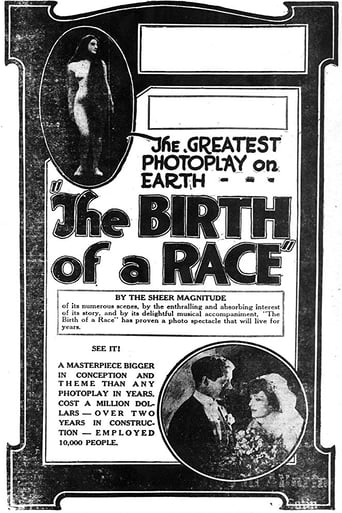
American actor from the silent film era: known career appears to have been extremely brief, consisting primarily of his role in the 1918 film 'The Birth of a Race.' This film was created as a direct response to D.W. Griffith's controversial 'The Birth of a Nation' (1915), aiming to present a more positive and accurate portrayal of African American history and contributions to American society. Hendricks Sr. Was part of an ensemble cast that included both white and African American actors, a relatively progressive casting choice for the period. The production was ambitious in scope but faced significant financial and logistical challenges during its creation. Unfortunately, like many actors from this period who appeared in only one or two films, detailed records of Hendricks Sr.'s life and career are scarce, making him one of the many forgotten performers from early cinema history.
The Craft
Milestones
- Appeared in 'The Birth of a Race' (1918), a significant early film that challenged racist narratives in cinema
Best Known For
Must-See Films
Why They Matter
Impact on Culture
Ben Hendricks Sr.'s cultural impact is primarily through his participation in 'The Birth of a Race,' a film that represented an early attempt to counter racist narratives in American cinema. While his individual contribution may have been small, the film itself was significant as one of the first major responses to cinematic racism. The production, though ultimately unsuccessful commercially and now largely lost, demonstrated that there were voices in early Hollywood pushing back against the damaging stereotypes perpetuated by films like 'The Birth of a Nation.' Hendricks Sr., as part of this project, contributed to what might be considered an early form of social justice filmmaking.
Lasting Legacy
Ben Hendricks Sr.'s legacy is that of a representative figure for the countless anonymous actors who populated early American cinema but whose names and contributions have been largely lost to history. His association with 'The Birth of a Race' connects him to an important moment in early film history when African American filmmakers and their allies attempted to create counter-narratives to mainstream racist cinema. While the film itself was not successful and is now considered lost, its historical significance ensures that even minor contributors like Hendricks Sr. Are remembered as part of this early effort toward more inclusive and truthful representation in film.
Who They Inspired
Due to the extremely limited nature of Ben Hendricks Sr.'s known filmography, there is no documented evidence of his influence on other actors or filmmakers. His influence exists only through his participation in a historically significant film that attempted to challenge racist narratives in cinema, representing the collective effort of many individuals who sought to create more positive representations in early Hollywood.
Off Screen
Very little is known about the personal life of Ben Hendricks Sr. Like many supporting actors from the silent era who appeared in only a few films, detailed biographical information was not systematically preserved. The lack of extensive documentation makes it difficult to piece together details about his family background, personal relationships, or life outside of his brief film appearance.
Did You Know?
- 'The Birth of a Race' (1918) is now considered a lost film, with only fragments believed to survive in archives
- The film was produced by Emmett J. Scott, who had been Booker T. Washington's secretary
- The original concept for 'The Birth of a Race' was much more ambitious, covering the entire history of African Americans, but budget constraints forced significant changes
- The film took over two years to produce and faced numerous financial difficulties during production
- Despite its important historical context, the film was not commercially successful upon release
- The film was directed by John W. Noble and was one of the earliest attempts at creating a positive African American epic
- Like many actors from the silent era, Ben Hendricks Sr. Appears to have no surviving interviews or personal writings
- The production featured an interracial cast, which was unusual for the period
- The film's budget was reportedly around $100,000, a substantial amount for an independent production in 1918
- Very few actors from 'The Birth of a Race' went on to have significant film careers, making Hendricks Sr. Typical of the cast
Frequently Asked Questions
Who was Ben Hendricks Sr.?
American with credits in this catalog.' His career appears to have been extremely brief, with this being his only documented film credit.
What film is Ben Hendricks Sr. Best known for?
Ben Hendricks Sr. Is known exclusively for his role in 'The Birth of a Race' (1918), a film created as a response to the racist narratives in D.W. Griffith's 'The Birth of a Nation.' The film is now considered lost.
When was Ben Hendricks Sr. Born and when did he die?
The birth and death dates of Ben Hendricks Sr. Are not documented in available historical records. Like many supporting actors from the silent era, detailed biographical information was not preserved.
What awards did Ben Hendricks Sr. Win?
There are no records of Ben Hendricks Sr. Receiving any awards or nominations for his work in film. His brief career in the early film industry predated many of the formal award systems that would later be established.
What was the significance of 'The Birth of a Race'?
'The Birth of a Race' was historically significant as one of the first major cinematic responses to racism in film, specifically countering D.W. Griffith's 'The Birth of a Nation.' Despite its important intentions and ambitious scope, the film was not commercially successful and is now largely lost.