Vasily Zhuravlyov
Director
Born: July 30, 1901 in Ryazan, Russian Empire Died: May 15, 1956 Active: 1927-1956 Birth Name: Vasily Markovich Zhuravlyov
Films
4 films
About Vasily Zhuravlyov
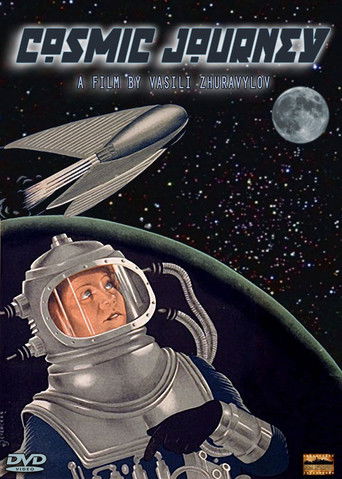
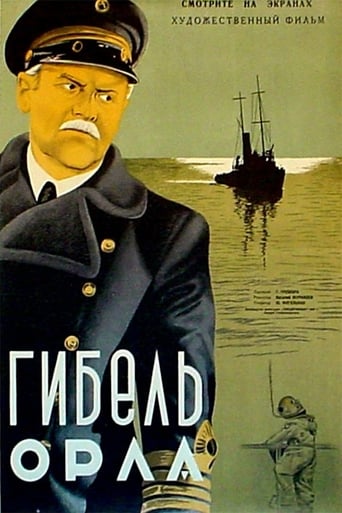
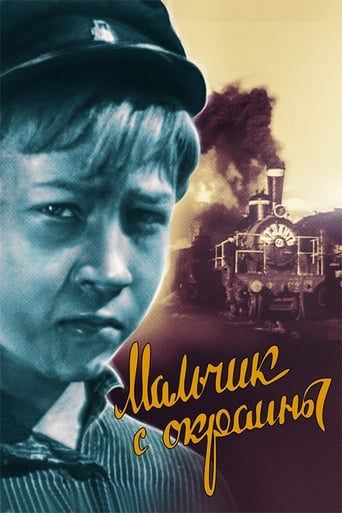
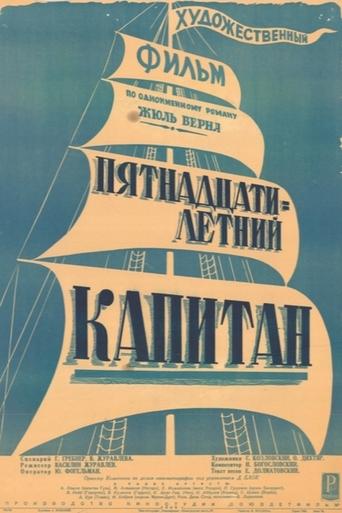
Made significant contributions to early Soviet science fiction cinema. Born in 1901, he began his career in the burgeoning Soviet film industry during the 1920s, working his way up from various technical positions to become a director. His most celebrated work, 'Cosmic Journey' (1936), was one of the first Soviet science fiction films and showcased remarkable special effects for its time, depicting a journey to the Moon with impressive technical innovation. Throughout the 1930s and 1940s, Zhuravlyov directed numerous films that often focused on adventure, youth themes, and patriotic narratives that aligned with Soviet cultural policies. His filmography includes notable works such as 'The Disappearance of Eagle' (1940), 'A Captain at Fifteen' (1945), and 'Boy From the Outskirts' (1947), which demonstrated his versatility across different genres. Despite the challenging political climate of the Stalin era, Zhuravlyov managed to maintain a steady directing career, though his later work became more conventional and less experimental. He continued working in the film industry until his death in 1956, leaving behind a legacy as one of early Soviet cinema's most technically innovative directors.
The Craft
Behind the Camera
Zhuravlyov's directing style was characterized by technical innovation and visual spectacle, particularly evident in his science fiction work. He demonstrated a keen interest in pushing the boundaries of cinematic technology, utilizing elaborate miniatures, special effects, and innovative camera techniques to create convincing depictions of space travel and fantastical scenarios. His narrative approach often blended educational elements with entertainment, reflecting Soviet ideals of socially conscious art. Zhuravlyov showed particular skill in directing young actors and creating coming-of-age stories that resonated with Soviet audiences. His later work became more conventional, adhering to the principles of Socialist Realism while maintaining his technical craftsmanship.
Milestones
- Directed 'Cosmic Journey' (1936), one of the first Soviet science fiction films
- Pioneered special effects techniques in Soviet cinema
- Successfully navigated the Stalinist film industry while maintaining creative output
- Mentored several younger Soviet directors
- Adapted classic literature for the screen, including works by Jules Verne
Best Known For
Must-See Films
Accolades
Won
- Order of the Red Banner of Labour (1951)
- Stalin Prize (1941)
Special Recognition
- Honored Art Worker of the RSFSR (1944)
Working Relationships
Worked Often With
Studios
Why They Matter
Impact on Culture
Vasily Zhuravlyov played a crucial role in establishing the science fiction genre in Soviet cinema, with 'Cosmic Journey' serving as a foundational text for later Soviet sci-fi filmmakers. His technical innovations in special effects and miniature photography influenced generations of Soviet directors working in fantastical genres. The film's optimistic vision of space exploration aligned with Soviet ideological goals of scientific progress and human achievement, making it both artistically and politically significant. Zhuravlyov's work helped demonstrate that Soviet cinema could compete with Western productions in terms of technical sophistication and visual spectacle. His films about youth and adventure contributed to the development of Soviet children's cinema and coming-of-age narratives.
Lasting Legacy
Zhuravlyov's lasting legacy lies primarily in his work in Soviet science fiction cinema. 'Cosmic Journey' remains a landmark film in the history of both Soviet and world science fiction, celebrated for its ambitious special effects and imaginative vision of space travel. The film influenced subsequent Soviet science fiction directors, including Pavel Klushantsev and Andrei Tarkovsky. Zhuravlyov's technical innovations in special effects photography and model work established techniques that would be used in Soviet cinema for decades. His adaptation of literary works for the screen demonstrated the potential of cinema to bring classic literature to new audiences. While less internationally known than some of his contemporaries, Zhuravlyov is recognized by film historians as an important figure in the development of genre cinema in the Soviet Union.
Who They Inspired
Zhuravlyov's influence extended beyond his own films through the technical innovations he developed and the younger filmmakers he mentored. His work on 'Cosmic Journey' particularly influenced Pavel Klushantsev, who would become known as the 'Soviet Georges Méliès' for his own notable science fiction films. The special effects techniques Zhuravlyov pioneered, including his use of miniatures and composite photography, became standard tools in the Soviet filmmaker's toolkit. His approach to adapting literary works for the screen influenced how Soviet directors handled classic literature, emphasizing both fidelity to the source and cinematic innovation. Zhuravlyov's success in creating commercially successful genre films while adhering to Soviet cultural policies provided a model for other directors working within the constraints of the system.
Off Screen
Zhuravlyov led a relatively private life, focusing primarily on his work in the Soviet film industry. He married fellow film professional Nadezhda Zhuravlyova, who worked as a script editor and occasionally collaborated on his projects. The couple had one son, Mark Zhuravlyov, who also entered the film industry as a cinematographer. Despite the political pressures of the Stalin era, Zhuravlyov managed to avoid major political controversies and maintained steady employment throughout his career. He was known among colleagues as a dedicated craftsman who took great pride in the technical aspects of filmmaking.
Education
Studied at the State Institute of Cinematography (VGIK) in Moscow, graduating in the mid-1920s
Family
- Nadezhda Zhuravlyova (1928-1956)
Did You Know?
- 'Cosmic Journey' (1936) was one of the first films to depict a realistic journey to the Moon, predating American space films by decades
- The special effects in 'Cosmic Journey' were so advanced that some Western audiences initially believed it was a recent film when rediscovered
- Zhuravlyov worked as an assistant to legendary Soviet director Yakov Protazanov early in his career
- His film 'A Captain at Fifteen' was an adaptation of a Jules Verne novel, demonstrating his interest in bringing classic adventure literature to Soviet audiences
- During World War II, Zhuravlyov directed several patriotic films and documentaries supporting the Soviet war effort
- The models and special effects from 'Cosmic Journey' were preserved and displayed in Soviet museums for years
- Zhuravlyov was one of the few Soviet directors of his generation to specialize in science fiction and fantasy genres
- His son Mark Zhuravlyov became a respected cinematographer, continuing the family's film legacy
- Despite the political purges of the 1930s, Zhuravlyov managed to maintain his position in the film industry without major interruptions
- Some of the technical innovations in 'Cosmic Journey' were studied by American special effects artists during the Cold War
In Their Own Words
Cinema is not just entertainment; it is a tool for educating and inspiring the Soviet people toward a brighter future.
In depicting the cosmos, we show the limitless possibilities of human achievement under socialism.
Every film must serve the people while pushing the boundaries of what is technically possible.
The imagination of our youth is the greatest resource we have for building tomorrow's world.
Frequently Asked Questions
Who was Vasily Zhuravlyov?
Soviet on YTB.my. He was particularly noted for his technical innovations in special effects and his work in adventure and children's cinema.
What films is Vasily Zhuravlyov best known for?
Titles linked here include Cosmic Journey (1936), The Disappearance of 'Eagle' (1940).
When was Vasily Zhuravlyov born and when did he die?
Born July 30, 1901; died May 15, 1956.
What awards did Vasily Zhuravlyov win?
Zhuravlyov received the Order of the Red Banner of Labour in 1951, the Stalin Prize in 1941, and was named an Honored Art Worker of the RSFSR in 1944 in recognition of his contributions to Soviet cinema.
What was Vasily Zhuravlyov's directing style?
Zhuravlyov's directing style emphasized technical innovation and visual spectacle, particularly in science fiction. He was known for special effects techniques, using elaborate miniatures and innovative camera work to create convincing fantastical scenarios while blending educational elements with entertainment.
How did 'Cosmic Journey' influence Soviet cinema?
'Cosmic Journey' established the foundation for Soviet science fiction cinema, introducing technical innovations in special effects that influenced generations of filmmakers. The film's optimistic vision of space exploration aligned with Soviet ideals and demonstrated that Soviet cinema could compete with Western productions in technical sophistication.
Did Vasily Zhuravlyov face political challenges during his career?
While working during the politically challenging Stalin era, Zhuravlyov largely avoided major controversies. He successfully navigated the demands of Socialist Realism, though his later work became more conventional. His science fiction films occasionally drew suspicion from officials, but their educational and scientific content generally protected him from serious repercussions.