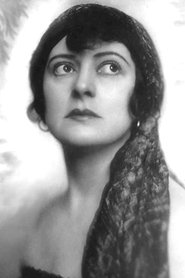
Madlaine Traverse
Actor
Born: August 18, 1875 in Cleveland, Ohio, USA Died: January 7, 1924 Active: 1913-1924 Birth Name: Madeline Traverse
Films
1 film
About Madlaine Traverse
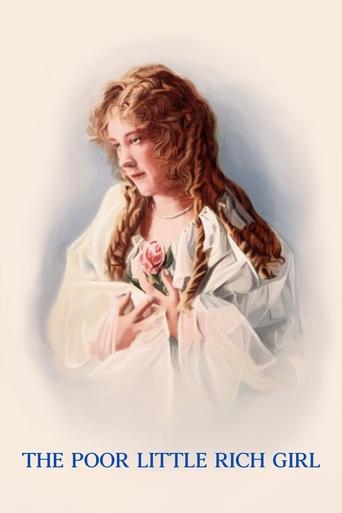
Prominent character actress of the silent film era, born Madeline Traverse in Cleveland, Ohio in 1875. She began her career on the stage before transitioning to motion pictures in the early 1910s, quickly establishing herself as a reliable supporting actress. Traverse was particularly known for her maternal roles and often portrayed mothers, aunts, or governesses in films starring some of the era's biggest names. Her most notable appearance was in the 1917 classic 'The Poor Little Rich Girl' starring Mary Pickford, where she played a significant supporting role. Throughout her career, she appeared in over 70 films for various studios including Fox, Paramount, and Universal. Traverse worked consistently through the 1910s and early 1920s, adapting her theatrical style to the demands of the emerging film medium. Her career was cut short by her untimely death in 1924 at the age of 48, just as the film industry was transitioning to sound.
The Craft
On Screen
Traverse brought a theatrical gravitas to her film performances, utilizing exaggerated gestures and facial expressions typical of the silent era. She specialized in maternal characters, conveying warmth and authority through her screen presence. Her background in stage acting gave her a commanding presence that translated well to the camera, particularly in dramatic scenes requiring emotional depth.
Milestones
- Stage career before entering films
- Breakthrough role in 'The Poor Little Rich Girl' (1917)
- Over 70 film appearances in 11 years
- Work with major stars like Mary Pickford
- Transition from stage to silent film success
Best Known For
Iconic Roles
Must-See Films
Working Relationships
Worked Often With
Studios
Why They Matter
Impact on Culture
Madlaine Traverse contributed to the development of character acting in silent cinema, particularly in establishing the archetype of the maternal figure in American films. Her work helped normalize the presence of complex older female characters in early Hollywood, moving beyond simple supporting roles to create nuanced performances. As one of the many stage actors who successfully transitioned to film, she represented the bridge between theatrical and cinematic acting styles during this crucial period in film history.
Lasting Legacy
Though largely forgotten today, Madlaine Traverse's legacy lives on through her extensive body of work in silent cinema and through her son James Kirkwood Jr.'s contributions to American theater. Her performances in surviving silent films demonstrate the evolution of screen acting from theatrical roots to more naturalistic film techniques. She represents the countless character actors who formed the backbone of early Hollywood, providing essential support to the stars while maintaining their own artistic integrity.
Who They Inspired
Traverse influenced subsequent generations of character actresses through her professional approach to maternal roles. Her successful transition from stage to film provided a model for other theater actors entering the burgeoning movie industry. Her dedication to craft during the transitional period of American cinema helped establish standards for supporting performances in feature films.
Off Screen
Madlaine Traverse was married to actor and director James Kirkwood, with whom she had a son, James Kirkwood Jr., who would later become a successful playwright and novelist. The marriage ended in divorce, which was somewhat scandalous for the time period. She maintained a professional reputation throughout her career despite personal challenges. Her son James Kirkwood Jr. Would go on to co-write the book for the Broadway musical 'A Chorus Line,' winning a Tony Award.
Education
Stage training and theatrical education, though specific institutions are not documented
Family
- James Kirkwood (1903-1913)
Did You Know?
- Born as Madeline Traverse but used 'Madlaine' professionally
- Was married to fellow actor James Kirkwood Sr.
- Her son James Kirkwood Jr. Co-wrote 'A Chorus Line'
- Appeared in over 70 films in just over a decade
- Specialized in mother roles despite being relatively young
- Began her career on Broadway before entering films
- Died just as the film industry was transitioning to sound
- Worked with Mary Pickford during Pickford's peak popularity years
- Her death at 48 cut short a productive career
- Often played characters much older than her actual age
In Their Own Words
While specific quotes are not documented in historical records, her performances in silent films conveyed powerful emotional messages through gesture and expression rather than spoken words.
Frequently Asked Questions
Who was Madlaine Traverse?
Silent film actress active from 1913 to 1924, known primarily for her maternal roles and character parts. She appeared in over 70 films, most notably 'The Poor Little Rich Girl' (1917) starring Mary Pickford, and was one of the many stage actors who successfully transitioned to motion pictures during the early film era.
What films is Madlaine Traverse best known for?
Titles linked here include The Poor Little Rich Girl (1917), The Devil's Daughter (1915).
When was Madlaine Traverse born and when did she die?
Born August 18, 1875; died January 7, 1924.
What awards did Madlaine Traverse win?
During Madlaine Traverse's career in the 1910s and early 1920s, the major film awards systems we know today did not exist. The Academy Awards were not established until 1929, five years after her death, so she did not receive formal film industry awards, though she was respected as a reliable character actress.
What was Madlaine Traverse's acting style?
Traverse brought theatrical training to her film performances, using the exaggerated gestures and expressions typical of silent era acting. She specialized in maternal roles, conveying warmth and authority through her screen presence, and was particularly effective in dramatic scenes requiring emotional depth.
Was Madlaine Traverse married and did she have children?
Yes, Madlaine Traverse was married to actor and director James Kirkwood from 1903 to 1913, and they had one son together, James Kirkwood Jr., who became a successful playwright and novelist, co-writing the book for 'A Chorus Line' and winning a Tony Award.
How did Madlaine Traverse impact cinema?
Traverse contributed to the development of character acting in silent cinema, particularly in establishing maternal character archetypes in American films. As a stage actor who successfully transitioned to film, she represented the bridge between theatrical and cinematic acting styles during this crucial period in film history.