Films
2 films
About Seymour Hastings
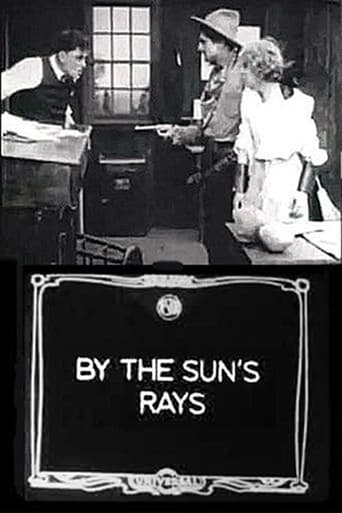
American actor: career in motion pictures was remarkably brief yet occurred cinema history. Seymour appears exclusively during the transformative year of 1914, a time when the film industry was rapidly evolving from short novelty reels into a medium for feature-length storytelling. His sole known screen credit is the Western short film 'By the Sun's Rays,' a production for the nascent Universal Film Manufacturing Company. This film is historically significant as one of the earliest screen appearances of the Lon Chaney, suggesting Hastings was part of a company that nurtured future stars. While his filmography consists of just this one title, his presence in a 1914 Universal production places him among the generation of pioneers who helped establish the grammar of silent film acting. His career, like many actors of the period, likely ended as quickly as it began, a common fate for performers in the chaotic and rapidly changing early film industry. Beyond this single role, there is no documented evidence of further film or stage work, making him a quintessential one-film actor whose legacy is tied entirely to his participation in this early cinematic artifact.
The Craft
On Screen
As an actor in a 1914 Western short, Seymour Hastings's acting style would have been characteristic of the silent era's early period. This style typically involved broad, exaggerated gestures and facial expressions to clearly convey emotion and intent to the audience without the aid of synchronized sound. Performances were often theatrical, drawing heavily from the traditions of stage melodrama, as the techniques specific to cinema were still being developed. His role, likely a supporting or bit part, would have required him to embody a clear archetype—such as a townsman, a lawman, or a cowboy—using these established physical cues.
Milestones
- Appeared in the 1914 Universal Western short 'By the Sun's Rays'
- Worked alongside a young Lon Chaney in one of Chaney's earliest film roles
Best Known For
Must-See Films
Working Relationships
Studios
Why They Matter
Impact on Culture
Seymour Hastings's cultural impact is not derived from individual stardom but from his role as a representative figure of the countless anonymous craftsmen who built the foundation of the American film industry. His appearance in 'By the Sun's Rays' places him within the ecosystem of Universal Pictures in 1914, a studio that would become a major Hollywood powerhouse. By participating in this early film, he contributed to the development of the Western genre, which would become. His legacy is intrinsically linked to the film itself; as long as 'By the Sun's Rays' is studied and preserved as an early work of Lon Chaney, Hastings's name will be remembered as part of its cast. He serves as a reminder that cinematic history was built not only by famous stars but also by the many forgotten actors who filled the frames of early films.
Lasting Legacy
The legacy of Seymour Hastings is that of a cinematic footnote, an actor whose entire known film career consists of a single title from 1914. While this may seem insignificant, his legacy is preserved through his association with 'By the Sun's Rays,' a film that has survived the ravages of time and is of interest to film historians, particularly for its inclusion of Lon Chaney. He is part of the vast tapestry of early film performers whose names are known today only through the credits of surviving films. His legacy shows the transient nature of fame in early Hollywood and the importance of film preservation in keeping the memory of even the most minor contributors alive. He represents the thousands of actors who were the building blocks of the industry but whose personal stories have been lost to history.
Who They Inspired
Given the brevity of his career and his status as a supporting actor in a single film, there is no evidence to suggest that Seymour Hastings directly influenced other actors or directors. His influence, if any, is passive and historical. As part of the cast of an early Universal film, he was part of a production environment that would eventually help shape the careers of major figures like Lon Chaney. His work, along with that of his contemporaries, contributed to the evolving language of silent film acting, which in turn influenced the generations of performers who followed. He is a part of the collective, unconscious influence that the actors of the 1910s had on the art of film performance.
Off Screen
Due to the extremely limited nature of Seymour Hastings's known career and the passage of over a century, virtually no personal information about him is available in historical records. He was a working actor during the very early days of Hollywood, a time when detailed biographical data for supporting players was rarely documented or preserved. The lack of any further film credits, marriage records, or census data linked to an actor of this name suggests he may have used a stage name or pursued a very different career path after his brief foray into acting. His life outside of his single film credit remains a complete mystery, a common fate for many anonymous faces from the silent era.
Did You Know?
- Seymour Hastings's entire known filmography consists of only one film, 'By the Sun's Rays' (1914).
- His sole film credit is a two-reel Western short produced by the Universal Film Manufacturing Company.
- The film he appeared in is notable for being one of the earliest surviving screen appearances of horror icon Lon Chaney.
- Like many actors from the silent era, no birth or death dates, birthplace, or real name have been definitively linked to him.
- His active years covered only a single year, 1914, making him a quintessential one-year wonder of early cinema.
- He is listed in the cast but his specific role in 'By the Sun's Rays' is not documented, indicating it was likely a minor, uncredited part.
- The film's director was often misattributed for years, but recent scholarship credits it to Thomas H. Ince.
- His name appears in historical film databases but is almost always accompanied by a lack of biographical details.
- He represents a class of early film actors whose contributions are preserved only through the survival of the films they appeared in.
- The survival of 'By the Sun's Rays' is itself remarkable, as an estimated 90% of American silent films have been lost.
Frequently Asked Questions
Who was Seymour Hastings?
American with credits in this catalog.' His career was exceptionally brief, with this single film representing his entire known filmography, making him a minor but documented figure from the days of Hollywood.
What films is Seymour Hastings best known for?
Titles linked here include By the Sun's Rays (1914).
When was Seymour Hastings born and when did he die?
Unfortunately, the birth and death dates for Seymour Hastings are not known. Like many supporting actors from the very early silent film period, detailed biographical information was not preserved, and no definitive records have been linked to the actor of this name.
What awards did Seymour Hastings win?
There is no record of Seymour Hastings receiving any awards or nominations for his work. His career was too brief and minor to have garnered the attention of award-giving bodies, which were also not yet established in their modern form during his active period in 1914.
What was Seymour Hastings's acting style?
While his performance does not survive for detailed analysis, his acting style in 1914 would have been typical of the early silent era. This likely involved broad, theatrical gestures and clear facial expressions to convey emotion to the audience, a technique common before the development of more subtle and naturalistic cinematic acting styles.