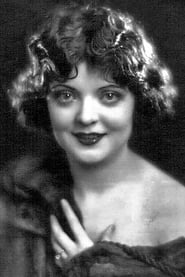
Ethel Shannon
Actor
- Active
- 1923-1923
Films 1
About Ethel Shannon
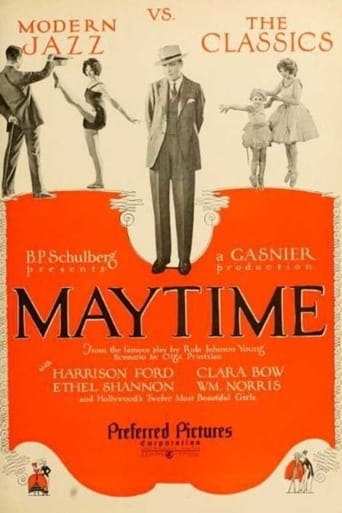
Ethel Shannon was an American silent-film actress whose screen career appears to have been brief and centered in the early 1920s. She is documented in surviving film references as appearing in Maytime (1923), a notable screen adaptation of the popular stage operetta, which places her within the final flourishing years of the silent era. Beyond this credit, the historical record on Shannon is sparse, suggesting that she was one of many working players whose performances supported larger studio productions without leaving an extensive biographical trail. Like many actresses of the period, she likely worked within the fast-paced studio system in which supporting performers moved from role to role with little surviving publicity unless they became major stars. No reliable evidence has been found in standard reference sources regarding her birth, death, family background, or later life. As a result, her importance today rests primarily in her participation in early Hollywood cinema and in the fragmentary record she leaves for film historians and archivists. Her credited presence in a recognized 1923 feature makes her a small but genuine part of silent-era film history.
More about Ethel Shannon
On screen
No detailed contemporary critical description of Ethel Shannon's acting style has been located in readily available reference sources. As a silent-era performer, her work would have depended on expressive facial communication, physical gesture, and clear visual presence rather than spoken dialogue. Her screen appearance in a 1923 production suggests she worked in the conventional silent-film style of the period, emphasizing readable emotion and concise characterization. Because no reviews or surviving performance analyses are readily attributable to her, any more specific assessment would be speculative.
In film history
Ethel Shannon's cultural impact is modest but meaningful in the context of film preservation and silent-cinema scholarship. Even performers with very small surviving filmographies help reconstruct the ecology of early Hollywood, where hundreds of actors, extras, and supporting players contributed to the look and rhythm of studio productions. Her appearance in Maytime (1923) links her to the adaptation culture of the silent era, when popular stage works were frequently reimagined for the screen. For historians, she is a reminder that the silent period was built not only by marquee names but also by many now-obscure performers whose work survives only in cast lists and fragmentary records.
Later reputation
Ethel Shannon's lasting legacy is archival rather than celebrity-based: she is remembered because her name survives in the cast history of an early 1920s film. In classic-cinema research, such names are valuable because they help establish production histories, studio rosters, and the broader labor structure of silent Hollywood. Her presence in Maytime (1923) ensures that she remains part of the documented lineage of early screen adaptation and silent-era performance. Though she does not appear to have become a major star, her record contributes to the more complete historical picture of the era.
Influence
There is no clear evidence that Ethel Shannon directly influenced later actors or directors in a documented, traceable way. Her influence is better understood indirectly, through the collective contribution of silent-era supporting performers who helped establish the visual grammar of screen acting before the arrival of synchronized sound. By participating in a 1923 feature, she was part of a generation that refined expressive, camera-aware performance techniques that later actors continued to build upon. Her value to film history lies in representation and documentation rather than in a clearly traceable line of artistic mentorship.
Off screen
Reliable information about Ethel Shannon's personal life has not been located in the standard film-reference material available for this entry. There is no confirmed public record here of marriages, children, education, or later biography that can be stated with confidence. She appears to be one of the many silent-era performers whose personal history was not preserved in the surviving trade literature and studio publicity accessible today. Because of the lack of verified documentation, it would be misleading to speculate about her family background or private life.
Credits
- Appeared in Maytime (1923), a prominent silent-era screen adaptation of a successful musical property
- Represents the many working actresses of early Hollywood whose contributions were made within studio-era ensemble filmmaking
- Documented as part of the silent-film record even though surviving biographical information is extremely limited
Roles
- Unnamed role in Maytime (1923)
Films
- Maytime (1923)
Notes
- Ethel Shannon is one of many silent-era performers whose film career is preserved only in a very small number of surviving records.
- Her documented screen appearance in Maytime (1923) places her in the last years before sound transformed Hollywood.
- The scarcity of information about her is typical of many working actors from the silent period, especially supporting players.
- Because her biographical details are not well documented, she is an example of how much of early film history remains incomplete.
- Her name continues to appear in classic-film databases because cast records from the silent era remain essential historical sources.
Questions
Who was Ethel Shannon?
Ethel Shannon was an American silent-film actress known primarily for her credited appearance in Maytime (1923). Very little verified biographical information survives about her, which is common for many supporting performers from early Hollywood. She remains part of film history through the cast records of the silent era.
What films is Ethel Shannon best known for?
She is best known, from the surviving record, for Maytime (1923). No wider filmography is reliably documented here, so this remains her primary identified screen credit. Her historical significance comes from being part of a notable silent-era production.
When was Ethel Shannon born and when did she die?
Her birth date and death date are not reliably documented in the available reference material used for this entry. That means no confirmed birth or death places can be stated either. She is one of several early film performers whose vital records have not been clearly preserved.
What awards did Ethel Shannon win?
No awards or nominations have been verified for Ethel Shannon in the accessible historical record. Silent-era supporting players were often not publicly recognized with major industry awards, especially during the period in which she was active. Her importance is historical rather than award-based.
What was Ethel Shannon's acting style?
No contemporary critical description of her style has been reliably located. As a silent-film actress, her work would have relied on expressive gesture, facial expression, and visual clarity rather than dialogue. Her style would have been consistent with the performance conventions of early 1920s cinema.
What is Ethel Shannon's legacy in film history?
Her legacy lies in the survival of her name in silent-era cast records, which helps historians reconstruct the personnel of early Hollywood. Even performers with limited surviving biographies matter because they show how the studio system functioned at every level. She remains part of the documented fabric of classic cinema.