Maytime
Plot
Ottilie Van Zandt, the daughter of privilege, is expected to marry within her social class, but she is deeply in love with Richard Wayne, the gardener's son who grew up around the estate. When family pressure becomes overwhelming, Ottilie is compelled to marry her cousin instead, while Richard departs in hurt and humiliation, determined to return someday as a wealthy man worthy of her hand. Years later he comes back successful, only to discover that Ottilie has already married and the life they imagined together is gone; in an emotional impulse, he marries another woman and tries to move on. The story then leaps forward two generations, where the grandchildren of Ottilie and Richard—who inherit their names and an uncanny emotional connection—meet and form a tender friendship that gradually blossoms into love. Their relationship serves as a lyrical second chance for the romance that society and circumstance denied the older generation, bringing the story to a poignant circular close.
About the Production
This 1923 feature is a silent-era Metro production directed by Louis J. Gasnier and built around a romantic, generational storyline that was well suited to the elaborate emotional acting style of the period. As with many Metro silent dramas, the film appears to have been produced largely on studio sets rather than on widely documented exterior locations, and surviving public records do not reliably identify specific filming sites. The film’s production was shaped by the conventions of prestige melodrama: grand social contrasts, carefully staged intertitles, and a structure that depends on a time jump to connect the doomed romance of one generation to the redemptive romance of the next. Because detailed production paperwork and contemporary trade reports are limited for this title, precise budget and box-office figures are not reliably documented in surviving sources.
Historical Background
Maytime was released in 1923, a pivotal period in American film history when the studio system was consolidating its power and silent feature production had become highly refined. The early 1920s saw Hollywood increasingly specializing in star-driven melodramas, romantic epics, and prestige productions intended to fill large urban theaters and smaller neighborhood venues alike. Socially, the film reflects post-World War I American tensions around class mobility, inherited privilege, and changing courtship norms, all presented through a sentimental lens that older audiences would have recognized and younger audiences could still find emotionally resonant. Its generational structure also fits a broader silent-era fascination with fate, lineage, and the way personal choices echo across time. Today, the film is historically valuable as an example of studio melodrama from the mid-silent period and as an illustration of how Hollywood repeatedly returned to the same romantic narrative under different production regimes.
Why This Film Matters
Although not among the most famous silent films, Maytime is culturally significant as part of the lineage of romantic dramas that treated love as both socially constrained and spiritually destined. The film helped establish a story pattern that would recur in later cinema: a thwarted romance in one generation mirrored and resolved by the next, suggesting that emotional truths can outlast social barriers. Its title and premise also make it an important precursor to later remakes and reworkings, demonstrating how Hollywood reused successful dramatic formulas across decades and formats. As a surviving or at least cataloged example of Metro-era production, it contributes to scholars’ understanding of how silent melodrama balanced class conflict, sentiment, and visual storytelling. For modern viewers and historians, it is especially interesting as an early version of a narrative later adapted into more elaborate sound-era productions.
Making Of
Maytime was mounted as a polished Metro Pictures romantic drama during the silent era, a period when studios relied on emotionally legible stories and expressive performance rather than dialogue. Louis J. Gasnier, an experienced director of commercially minded features, handled the material in a way that likely emphasized clarity, scenic elegance, and melodramatic pacing. The surviving record for the film is comparatively sparse, so many specifics about casting process, rehearsal, and production logistics are not well documented in modern reference sources. What is clear is that the film was designed to appeal to audiences who enjoyed class-crossed romance and sentimental family sagas, with the generational time shift giving the story an unusually expansive emotional frame. Its place in Metro’s output also suggests a production aimed at respectable middle-class exhibition rather than experimental cinema.
Visual Style
As a 1923 silent studio drama, the cinematography would have relied on conventional but expressive framing, soft lighting for romantic scenes, and clear blocking to keep the narrative readable without synchronized sound. Films of this type often used medium shots and carefully arranged compositions to emphasize interpersonal emotion, class distinction, and the spatial separation between lovers. The generational structure likely encouraged visual contrasts between the earlier, more restrictive romance and the later, more liberated one. While detailed shot-by-shot documentation is limited, the film almost certainly employed the polished visual style associated with Metro productions of the period: clean staging, decorative interiors, and a focus on faces and gestures to carry emotional meaning. The time shift itself would have depended on visual cues and intertitles rather than effects-heavy transitions.
Innovations
The film’s chief technical accomplishment is narrative rather than mechanical: it uses a substantial time leap to connect two eras of romance in a way that would have been clear and emotionally effective for silent audiences. In 1923, this kind of cross-generational structure required disciplined editing, strong intertitle writing, and precise visual continuity so viewers could follow the inherited identities and emotional parallels. The film also demonstrates the mature conventions of silent studio melodrama, where production design, costume contrast, and performance style were coordinated to communicate class difference and destiny without dialogue. No major pioneering technical innovation is specifically associated with the title, but it represents competent, professional silent-era craftsmanship.
Music
As a silent film, Maytime did not have an original synchronized recorded soundtrack. It would have been accompanied in theaters by live music, typically a pianist, organist, or small ensemble depending on venue size and exhibition practice. Music for silent melodramas was often selected from cue sheets or improvised from standard repertory to underline emotional shifts, romantic yearning, and the generational passage of time. No widely documented original score for this specific 1923 release is known to survive in standard reference sources. Modern presentations, if any, would likely use reconstructed or newly compiled accompaniment rather than the original 1923 theatrical music.
Memorable Scenes
- Ottilie is pressured into marrying within her social class despite her love for Richard, creating the central heartbreak that drives the story.
- Richard returns after making his fortune only to discover that the life he hoped to reclaim has already moved beyond him.
- The later meeting of the grandchildren, who bear the same names as the original lovers, provides the film’s most poignant emotional echo and its hopeful resolution.
Did You Know?
- This film is a silent-era drama from 1923 and should not be confused with later films of the same title, including the well-known 1937 musical remake.
- The story uses a generational mirror structure, with the grandchildren of the original lovers effectively replaying and completing the romance their grandparents could not realize.
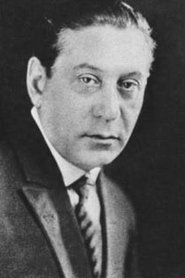
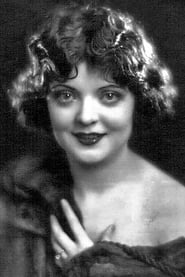
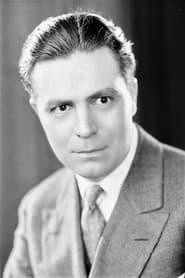
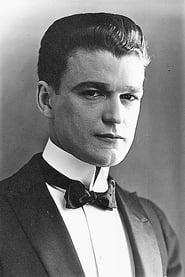
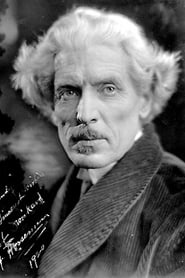
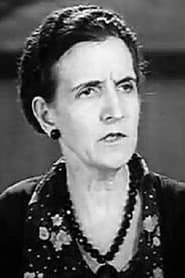
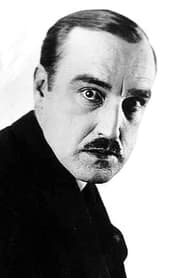
- Ethel Shannon, Harrison Ford, and William Norris were among the principal players associated with the production, reflecting Metro’s reliance on polished studio talent in the early 1920s.
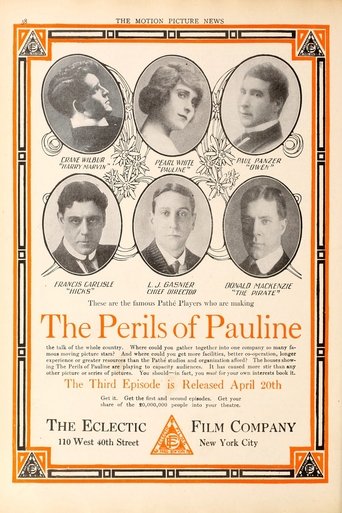
- Director Louis J. Gasnier was a prolific silent-era filmmaker whose work ranged from melodramas to serials and genre pictures, making him a versatile studio-era craftsman.
- The film’s emotional tone is typical of pre-Code romantic melodrama, emphasizing class difference, sacrifice, regret, and destiny rather than outright action.
- Because many silent films survive only partially or not at all, the preservation status of this title is an important research issue for collectors and archivists.
- The plot’s central conflict depends on social hierarchy: the heroine’s love for a gardener’s son is blocked by family expectations and class prejudice.
- The film’s structure anticipates later Hollywood romances that use parallel generations or cyclical storytelling to suggest fate and inherited emotion.
- The title "Maytime" was used repeatedly in cinema history, but the 1923 version is the early silent adaptation associated with Metro Pictures.
What Critics Said
Contemporary critical documentation is limited, but as a Metro melodrama from the early 1920s it would have been assessed primarily on its emotional effectiveness, production polish, and the strengths of its cast rather than on innovation in form. Silent-era trade reviews often emphasized whether a picture was visually clear, melodramatically satisfying, and commercially reliable, and Maytime appears to have fit that standard studio profile. In retrospect, the film is of greatest interest to historians as an early screen treatment of material that later became better known in sound-era versions, which inevitably overshadows the 1923 film in popular memory. Modern assessment tends to focus less on star-driven acclaim and more on its place in the evolution of generational romance and on the survival history of silent melodramas. Because extant critical commentary is scarce, a definitive consensus on reception cannot be stated with confidence.
What Audiences Thought
Specific audience-response data is not well preserved, but the film’s subject matter suggests it was tailored to viewers who enjoyed emotional, morally legible romances with strong class tensions and a bittersweet resolution. Silent melodramas like this often played effectively with broad audiences because their themes of love, sacrifice, and destiny transcended language barriers, and the intertitle-driven format made them accessible to a wide range of spectators. The generational payoff would likely have been especially appealing to audiences who appreciated sentimental endings and the sense that history can be emotionally repaired, even if only symbolically. As with many silent titles, its long-term popular memory has been affected by later remakes and the loss or scarcity of surviving prints, which can diminish public familiarity even when the original was once commercially viable.
Film Connections
Influenced By
- Stage melodrama traditions
- Early 20th-century romantic fiction
- Silent-era prestige dramas
- Class-crossed love stories popular in Victorian and Edwardian literature
This Film Influenced
- Later Maytime adaptations and remakes
- Hollywood generational romance melodramas
- Films using parallel love stories across generations
You Might Also Like
More Drama Films
View allMore from Louis J. Gasnier
View allFilm Restoration
The film’s exact preservation status is not firmly documented in widely available modern reference summaries. As with many silent-era features from the 1920s, it may survive only in incomplete form, private holdings, or archival records rather than in mainstream circulation, and it is not commonly known as a widely available restored title. If a print exists, it is not broadly advertised as a major restored survival in the way more famous silent films are. Because silent-film survival data changes as archives are cataloged and rediscovered, this title should be treated as potentially rare and archival.