Films
2 films
About Helen Lindroth
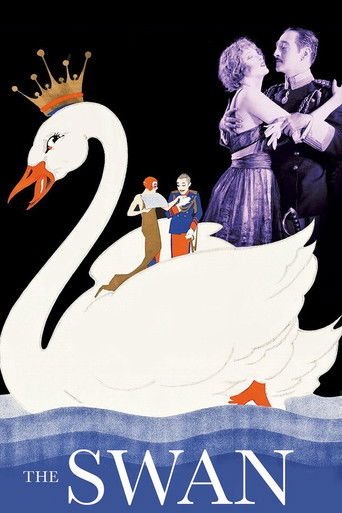
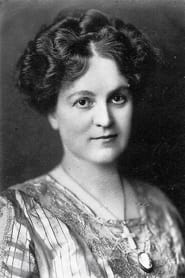
American actress who worked during the silent film era, with her known career concentrated entirely in the year 1925. Helen appears in the romantic drama The Swan, which was one of several adaptations of the popular play by Ferenc Molnár. Like many character actors of the silent period, Lindroth likely specialized in supporting roles that required the expressive acting techniques essential to non-verbal storytelling. Her brief film career was typical of many performers who worked in Hollywood during the mid-1920s, a transitional period when the industry was rapidly expanding and countless actors filled the need for ensemble casts. The Swan (1925) represented her most documented work, though she may have appeared in other productions that have been lost to time or were not properly credited. Her career trajectory suggests she may have been one of the many talented performers who either chose to leave the industry or were unable to make the transition to sound pictures when the technology revolutionized filmmaking in the late 1920s.
The Craft
On Screen
As a silent film actress, Helen Lindroth would have employed the exaggerated facial expressions and body language characteristic of the era, using gestures, eye movements, and posture to convey emotion and narrative without dialogue. Her acting style would have been influenced by the theatrical traditions that dominated early cinema, where clear visual storytelling was paramount.
Milestones
- Appeared in The Swan (1925)
- Worked during the silent film era
- Participated in Hollywood's expansion during the mid-1920s
Best Known For
Iconic Roles
Must-See Films
Why They Matter
Impact on Culture
Helen Lindroth represents the countless character actors and supporting players who formed the backbone of Hollywood's silent film era. While her individual contribution may not have been widely documented, performers like her were essential to the success of films during this period, providing the depth and texture that elevated productions beyond their leading stars. Her work in The Swan (1925) contributed to the film industry's exploration of sophisticated literary adaptations, helping establish cinema as a legitimate artistic medium capable of handling complex romantic narratives.
Lasting Legacy
Helen Lindroth's legacy is tied to the broader story of silent film actors who populated Hollywood during its formative years. She exemplifies the journey of many performers who briefly participated in cinema's early boom before either moving on to other pursuits or being unable to adapt to the coming of sound. Her appearance in The Swan (1925) ensures she remains part of film history, documented in the cast of a notable silent adaptation that has survived the decades.
Who They Inspired
As a supporting actress with a brief career, Helen Lindroth's direct influence on subsequent generations of performers is difficult to trace. However, she contributed to the tradition of ensemble acting that became increasingly important in Hollywood cinema, helping establish the value of well-cast supporting roles in creating compelling film narratives.
Off Screen
Very little documented information exists about Helen Lindroth's personal life, which is common for actors who had brief careers in the silent era. Like many character actors of her time, she may have been drawn to Hollywood during the film industry's rapid expansion in the 1920s, seeking opportunities in the burgeoning motion picture business.
Did You Know?
- Her entire known film active years covered only the year 1925
- The Swan (1925) was based on a popular play by Hungarian playwright Ferenc Molnár
- Silent films required actors to master non-verbal acting techniques
- 1925 was a peak year for silent film production before the transition to sound
- Many actors with brief careers like Lindroth's were often without on-screen billing in surviving records
- The Swan would be remade multiple times, including a 1956 version with Grace Kelly
- Silent era actors often had backgrounds in theater or vaudeville
- The mid-1920s saw Hollywood producing hundreds of films annually
- Character actors like Lindroth were essential for filling out ensemble casts
- Many silent films and their performers have been lost to film deterioration
Frequently Asked Questions
Who was Helen Lindroth?
American actress who worked during the silent film era, known primarily for her appearance in the 1925 film The Swan. Her career was brief, spanning only the year 1925, which was typical of many character actors who populated Hollywood's silent films.
What films is Helen Lindroth best known for?
Titles linked here include The Swan (1925).
When was Helen Lindroth born and when did she die?
Specific birth and death dates for Helen Lindroth are not documented in available historical records, which is common for many supporting actors from the silent film era whose personal details were not preserved in film industry archives.
What awards did Helen Lindroth win?
There are no documented awards or nominations for Helen Lindroth, which is typical for character actors with brief careers in the 1920s film industry, when formal acting awards were not yet established as they are today.
What was Helen Lindroth's acting style?
As a silent film actress, Helen Lindroth would have employed the expressive acting style characteristic of the era, using exaggerated facial expressions, gestures, and body language to convey emotions and tell stories without dialogue, techniques that were essential for non-verbal storytelling in early cinema.