Films
2 films
About Charles Dorety
Silent film actor who worked primarily during the early 1920s, most notably as part of Buster Keaton's regular troupe of supporting actors. Charles appears in several of Keaton's classic comedy shorts during this period, showcasing his talents as a character actor in the rapidly evolving medium of silent cinema. Dorety's career, while brief, coincided with what many consider the golden age of silent comedy, where he contributed to the visual gags and ensemble work that defined Keaton's distinctive style. His performances, though often in smaller roles, helped create the rich comedic tapestry that made Keaton's films so memorable. Like many supporting actors of the era, Dorety's work was essential to the success of the productions, providing the necessary reactions and interactions that elevated the lead performances. His filmography, though limited to primarily 1920-1921, places him among the dedicated craftsmen who helped shape early American comedy cinema.
The Craft
On Screen
Character actor specializing in supporting roles in silent comedies, likely employing physical comedy and expressive facial techniques typical of the era
Milestones
- Member of Buster Keaton's regular supporting cast
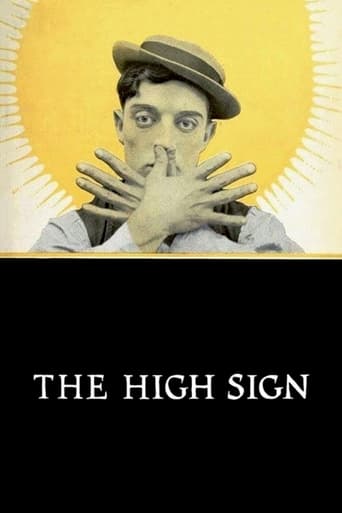
- Appeared in 'The High Sign' (1921)
- Contributed to early silent comedy shorts
- Part of the golden age of silent comedy ensemble work
Best Known For
Iconic Roles
Must-See Films
Working Relationships
Worked Often With
Studios
Why They Matter
Impact on Culture
Charles Dorety, though not a major star, contributed to the ensemble work that defined Buster Keaton's early comedies during the silent era. His participation in these films represents the collaborative nature of early comedy production, where supporting actors played crucial roles in creating the visual humor and timing that made silent comedies successful. While individual contributions of actors like Dorety are often overlooked in film history, their work was essential to the overall effectiveness of the productions and helped establish the template for ensemble comedy that would influence later generations of filmmakers.
Lasting Legacy
Charles Dorety's legacy is preserved through his appearances in Buster Keaton's early films, which continue to be studied and appreciated by film historians and comedy enthusiasts. As part of Keaton's regular troupe, he contributed to the creation of some of the most influential comedy shorts of the silent era. Though his name may not be widely recognized, his work survives as part of the collaborative artistry that defined early American comedy cinema, serving as a reminder of the many unsung contributors who helped shape the medium.
Who They Inspired
As a supporting actor in Buster Keaton's films, Charles Dorety's influence would have been primarily through his contribution to the ensemble dynamic that made Keaton's comedies successful. His work exemplifies the importance of supporting players in creating effective comedy timing and visual gags, a principle that continues to influence comedy filmmaking today.
Off Screen
Very little is documented about Charles Dorety's personal life, which is common for supporting actors from the silent era who had brief careers and limited public recognition.
Did You Know?
- Charles Dorety was part of Buster Keaton's regular troupe of supporting actors in the early 1920s
- His entire known film career spans approximately only one year (1920-1921)
- He appeared in 'The High Sign' (1921), one of Buster Keaton's most famous early shorts
- Like many silent era supporting actors, detailed biographical information about him is scarce
- His work represents the collaborative nature of early comedy film production
- Supporting actors like Dorety were essential to creating the visual humor in silent comedies
- His career coincided with the peak of silent comedy innovation in Hollywood
- The lack of extensive documentation about his life is typical for character actors of his era
Frequently Asked Questions
Who was Charles Dorety?
Silent film with credits in this catalog. He was part of Keaton's regular troupe of actors during the early 1920s.
What films is Charles Dorety best known for?
Titles linked here include The High Sign (1921).
When was Charles Dorety born and when did he die?
Specific birth and death dates for Charles Dorety are not documented in available historical records, which is common for supporting actors from the silent era who had brief careers.
What awards did Charles Dorety win?
There are no recorded awards or honors for Charles Dorety, which was typical for supporting character actors during the silent film era who often worked without formal recognition.
What was Charles Dorety's acting style?
Character with credits in this catalog.
How long was Charles Dorety's film career?
Charles Dorety's known film career was very brief, spanning approximately 1920-1921, making him a representative example of the many transient actors who passed through early Hollywood.
Did Charles Dorety work with other famous actors besides Buster Keaton?
While primarily associated with Buster Keaton's productions, Dorety would have worked with other members of Keaton's regular troupe, though specific collaborations with other major stars are not documented.