
Films
2 films
About Percy Haswell
Stage and screen performer associated with the late silent-era and early sound periods of American cinema, with film credits that place her active screen career in the 1910s and 1920s. She is best remembered today for appearances in films such as Daddy-Long-Legs (1919) and The River of Romance (1929), which suggests a career that bridged the transition from silent film to early talkies. Surviving reference sources on her life are limited, and she appears to have been one of the many experienced theatrical performers whose screen work was intermittent rather than sustained by a large Hollywood contract profile. Because available documentation is sparse, much of her wider biography is less fully recorded than that of major studio stars of the era. What can be said with confidence is that she was part of the generation of actors who helped carry theatrical discipline and stage-trained performance habits into early cinema. Her screen presence belongs to the broader history of women character actors whose work supported the narrative texture of silent and early sound films even when they were not the marquee names. The surviving film record indicates a career that reached across a crucial decade in film history, ending around the dawn of the sound era.
The Craft
On Screen
Specific contemporary descriptions of Percy Haswell's acting style are not widely preserved, but her career context strongly suggests a stage-influenced performance approach typical of early screen actors. Performers of her generation generally relied on clear gesture, controlled facial expression, and a strong sense of timing suited to silent storytelling. In the later part of her film career, she would have had to adapt to the more naturalistic demands of early sound cinema, where spoken dialogue and subtler motion became increasingly important. As a supporting performer, her style likely emphasized reliability, clarity, and character definition rather than star-centered flamboyance.
Milestones
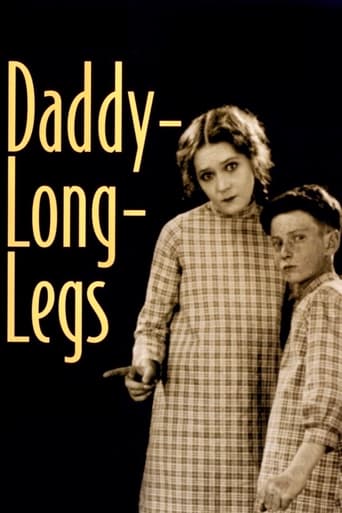
- Appeared in the silent film Daddy-Long-Legs (1919), one of her best-known surviving screen credits.
- Worked in the late silent era and into the early sound period, reflecting a career that bridged two major phases of film history.
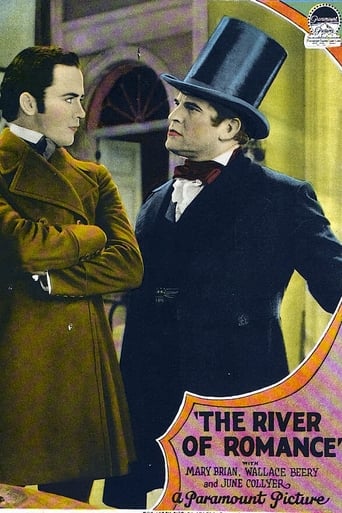
- Received billing in The River of Romance (1929), placing her within the transitional moment when silent film conventions were giving way to synchronized sound.
- Represents the class of stage-trained supporting performers whose film work helped shape early cinematic storytelling.
- Maintained screen visibility over approximately a decade, despite limited surviving biographical documentation.
Best Known For
Iconic Roles
Must-See Films
Why They Matter
Impact on Culture
Percy Haswell's cultural impact lies less in fame than in representation: she is part of the large and essential body of working actors who gave silent and early sound films their texture, credibility, and continuity. Performers like Haswell helped establish the acting vocabulary of early cinema by bringing stage discipline into film productions that still relied on expressive physical performance. Even when individual biographical details are scarce, their work contributes to the historical record of how Hollywood and American filmmaking evolved through the 1910s and 1920s. Her presence in both a 1919 silent feature and a 1929 film underscores the continuity of older theatrical talent during a period of rapid industrial and aesthetic change. For historians, such careers illuminate the often-invisible labor of character performers who supported the stars and anchored the storytelling of classic-era films.
Lasting Legacy
Percy Haswell's legacy is that of a documented but under-profiled contributor to early American cinema. She is remembered primarily through her surviving credits rather than through a large body of surviving publicity or biographical narrative. That kind of legacy is common for many supporting actors from the silent and early sound periods, especially women whose careers were not heavily mythologized by studio promotion. Her filmography is still valuable because it places her within the historical transition from silent film to sound, making her part of a generation whose work bridged two eras of movie history. In film history terms, her legacy is archival and contextual: she remains a traceable name in the cast lists that help scholars reconstruct the personnel of early Hollywood.
Who They Inspired
There is no well-documented evidence of Percy Haswell serving as a major mentor or trendsetter in the way top-billed stars did, but her career reflects the broader influence of stage-trained players on film acting. Supporting performers like Haswell helped normalize a more disciplined, readable acting style that silent cinema depended on and that early talkies refined. Her work would have contributed indirectly to the acting culture around her, especially in productions requiring ensemble coherence and clear character signaling. In that sense, her influence is historical rather than celebrity-based: she is part of the performing tradition that shaped early screen performance practice.
Off Screen
Little reliably documented personal information survives in standard film reference sources for Percy Haswell, and details such as family background, marital history, and private life are not well established from the available record. She appears to have been a professional performer whose public identity was tied primarily to her work rather than to a widely publicized celebrity persona. Because of the limited surviving documentation, it is not possible to state with confidence whether she used a different birth name or had a personal life that intersected prominently with other theatrical figures. Her biography is therefore reconstructed mainly from her screen credits and the historical context of the period in which she worked.
Did You Know?
- Percy Haswell is associated with both silent-era and early sound-era film credits, which makes her a useful example of a transitional career.
- Her known filmography is very small in surviving reference sources, suggesting she may have been more active on stage than on screen.
- Daddy-Long-Legs (1919) and The River of Romance (1929) bookend her surviving screen career and span a pivotal decade in film history.
- She appears to have been a supporting performer rather than a major star, which is common for many under-documented classic-era actors.
- Limited surviving biographical data means she is one of many classic film figures known chiefly through credits and cast lists.
- Her career sits at the intersection of theater and cinema, reflecting how many early film performers migrated from the stage.
- Because of sparse documentation, she is sometimes overlooked in broader histories of the era despite her confirmed screen work.
- Her name is preserved in film archives and databases largely through surviving title records rather than extensive press coverage.
Frequently Asked Questions
Who was Percy Haswell?
American screen with credits in this catalog. She is best known today for film credits such as Daddy-Long-Legs (1919) and The River of Romance (1929).
What films is Percy Haswell best known for?
Titles linked here include Daddy-Long-Legs (1919), The River of Romance (1929).
When was Percy Haswell born and when did she die?
Reliable public sources available here do not confirm Percy Haswell's birth date or death date. Likewise, her birth and death places are not clearly documented in the surviving standard references.
What awards did Percy Haswell win?
No major awards or nominations are known for Percy Haswell from the available record. Many working actors of the silent era and early sound period did important film work without receiving formal industry honors.
What was Percy Haswell's acting style?
Her style is not described in surviving detailed reviews, but as a performer of the silent and early sound eras she likely relied on stage-trained clarity, expressive gesture, and controlled facial expression. Such an approach was essential for silent film and remained useful as early talkies emerged.
What is Percy Haswell's legacy in film history?
Her legacy is that of a documented but little-known classic-era performer whose credits help map the history of American cinema. She represents the many supporting actors whose work sustained the industry during the transition from silent films to sound.