Films
1 film
About Audrey Chapman
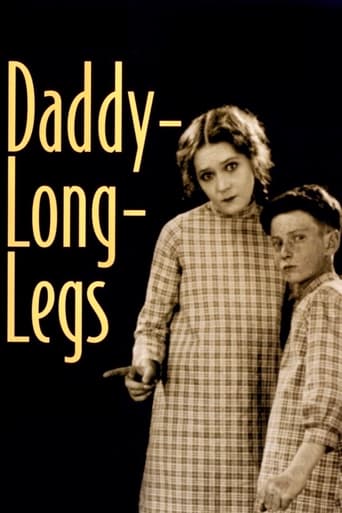
Silent film actress who appeared briefly during the golden age of early American cinema in 1919. Her most notable and only known film role was in the critically acclaimed adaptation of Jean Webster's beloved novel 'Daddy-Long-Legs,' where she had the opportunity to work alongside Mary Pickford, one of the era's most influential and highest-paid stars. Chapman's career was exceptionally brief, spanning only the single year of 1919, which was not uncommon for many supporting players and character actors of the silent era who often appeared in just one or two films before leaving the industry. Like many actresses discovered during Hollywood's explosive growth in the late 1910s, she was likely recruited during a period when studios were desperately seeking new talent to meet the insatiable public demand for motion pictures. Her brief appearance in 'Daddy-Long-Legs' represents her entire known filmography, making her one of the countless forgotten faces who contributed to the foundation of Hollywood's silent cinema era.
The Craft
On Screen
As a silent film actress in 1919, Chapman would have employed the dramatic gestures, expressive facial movements, and exaggerated emotions typical of the era's acting techniques, designed to convey story and character without dialogue
Milestones
- Appeared in 'Daddy-Long-Legs' (1919) alongside Mary Pickford in this major literary adaptation
Best Known For
Iconic Roles
Must-See Films
Working Relationships
Worked Often With
Studios
Why They Matter
Impact on Culture
Audrey Chapman represents the thousands of supporting actors who formed the essential backbone of early Hollywood cinema. While her individual contribution may seem small, actors like her were crucial to the film industry's rapid expansion during the silent era, providing the ensemble casts that brought stories to life alongside the major stars. Her appearance in a major Mary Pickford production demonstrates how even brief careers contributed to historically significant films that have endured as classics of silent cinema.
Lasting Legacy
As a brief footnote in silent film history, Audrey Chapman's legacy is primarily preserved through her appearance in 'Daddy-Long-Legs' (1919), a significant Mary Pickford vehicle that remains an important example of early literary adaptations. She exemplifies the transient nature of early Hollywood careers, where many talented actors appeared in only one or two films before disappearing from the historical record, leaving behind only their contributions to the art form.
Who They Inspired
Given her extremely brief career and limited filmography, Audrey Chapman did not have a documented influence on subsequent generations of actors or filmmakers. However, like all actors who worked during the foundational years of cinema, she contributed to the development of film acting techniques that would evolve and influence future performers.
Off Screen
Very little is known about Audrey Chapman's personal life, which was common for many supporting actors in the silent era who did not achieve star status. Like many performers of her time, biographical details were not extensively documented unless the actor achieved lasting fame.
Did You Know?
- Her entire known film career lasted only one year (1919)
- She appeared in a film adaptation of Jean Webster's popular novel 'Daddy-Long-Legs'
- Her only known film role was alongside Mary Pickford, who was
- Like many silent era actors, her biographical details have been largely lost to history
- Daddy-Long-Legs (1919) was directed by Marshall Neilan, a prominent director of the era who frequently worked with Pickford
- The film was one of Mary Pickford's most successful productions, helping cement her status as 'America's Sweetheart'
- 1919 was a pivotal year in cinema, marking the end of World War I and the beginning of Hollywood's golden age
- Silent films of this era were often accompanied by live musical performances in theaters
- Actors in supporting roles like Chapman typically earned much less than star performers
- Many silent era actors' careers ended with the advent of sound films in the late 1920s
Frequently Asked Questions
Who was Audrey Chapman?
Silent film actress who appeared briefly in 1919, best known for her role in 'Daddy-Long-Legs' starring Mary Pickford. Her active years covered only one year, making her one of the many forgotten supporting players of early Hollywood who contributed to classic films but left little biographical trace.
What films is Audrey Chapman best known for?
Titles linked here include Daddy-Long-Legs (1919).
When was Audrey Chapman born and when did she die?
Audrey Chapman's birth and death dates are unknown, which is common for many supporting actors from the silent era whose biographical information has been lost to history. Only her film work in 1919 is documented.
What awards did Audrey Chapman win?
Audrey Chapman did not receive any known awards or nominations, which was typical for supporting actors of her era during the very early days of cinema before major award institutions like the Academy Awards were established (the first Oscars were awarded in 1929).
What was Audrey Chapman's acting style?
Specific details about Audrey Chapman's acting style are not documented, but as a silent film actress in 1919, she would have used the exaggerated gestures, dramatic facial expressions, and broad physical movements typical of the era's acting techniques designed to convey emotion and story without dialogue.