Films
1 film
About Lillian Burns
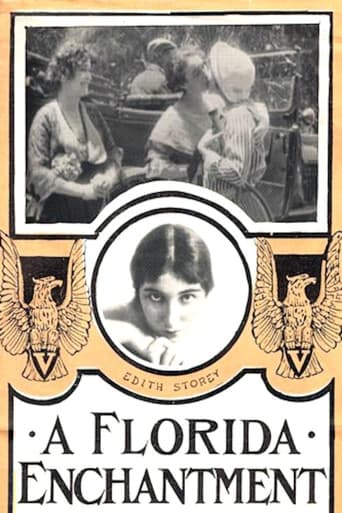
American actress who worked briefly during the silent film era, appearing in the 1914 film 'A Florida Enchantment.' Her career appears to have been exceptionally brief, with her only known film credit being this single production. The film itself was notable for its progressive themes involving gender identity and role reversal, making it one of the earliest American films to explore such topics. Burns was part of the cast during a transitional period in American cinema when feature films were becoming more common. Like many actors of this early period, she likely came from a theatrical background or was drawn to the new medium of motion pictures during its rapid expansion. The fact that she has no other known film credits suggests she may have been a stage actress who made only this one foray into cinema, or perhaps her career was cut short by the circumstances of the time. Her brief appearance in film history represents the countless performers who contributed to early cinema's development but whose names have largely been lost to time.
The Craft
Milestones
- Appeared in the groundbreaking silent film 'A Florida Enchantment' (1914)
Best Known For
Must-See Films
Why They Matter
Impact on Culture
Lillian Burns' contribution to cinema, while minimal in scope, is part of the broader tapestry of early American film history. Her participation in 'A Florida Enchantment' places her within a film that was remarkably progressive for its time, dealing with themes of gender identity that would not become mainstream in cinema for many decades. The film itself represents an important moment in early cinema's exploration of social taboos and challenging conventional norms. While Burns herself may not have achieved lasting fame, performers like her were essential to the development of the film industry, helping to establish the medium as a legitimate art form. Her brief career exemplifies the transient nature of early film stardom, where many actors appeared in only one or two films before disappearing from historical record.
Lasting Legacy
Lillian Burns represents the countless anonymous performers who populated early American cinema but whose names have been largely forgotten by time. Her legacy is tied primarily to her appearance in 'A Florida Enchantment,' a film that has gained historical significance for its progressive themes. While she did not achieve lasting fame or recognition, her contribution to this particular film has been preserved through the continued study and appreciation of early cinema. Burns serves as a reminder of the thousands of actors who helped build the foundation of the American film industry during its formative years, even if their individual stories remain largely untold. The preservation of 'A Florida Enchantment' ensures that her name, however briefly it appeared in film history, continues to be remembered by film historians and enthusiasts of early cinema.
Who They Inspired
Due to the extremely limited nature of her known film work, there is no documented evidence of Lillian Burns influencing other actors or directors. Her brief appearance in cinema history during the silent era makes it difficult to trace any direct impact she may have had on subsequent performers. However, her participation in a film that dealt with progressive themes places her within the context of early cinema's experimentation with challenging social norms.
Off Screen
Very little is known about Lillian Burns' personal life, which is typical of many minor actors from the silent era who left behind minimal documentation. Like many performers of this period, her life story remains largely undocumented in historical records.
Did You Know?
- Lillian Burns' only known film appearance was in 'A Florida Enchantment' (1914)
- The film she appeared in was considered quite progressive for its time, featuring themes of gender transformation
- 'A Florida Enchantment' was based on an 1891 novel by Archibald Clavering Gunter
- The film was directed by Sidney Drew, who also starred in it alongside his wife Mrs. Sidney Drew
- Like many silent era actors with brief careers, Burns' life story remains largely undocumented
- The film she appeared in is now considered a significant early example of LGBTQ+ themes in cinema
- 1914 was a pivotal year in American cinema, marking the transition from short films to feature-length productions
Frequently Asked Questions
Who was Lillian Burns?
Screen credits include only one known film, 'A Florida Enchantment' in 1914. Her career appears to have been extremely brief, making her one of the many obscure performers from early cinema whose stories remain largely undocumented.
What films is Lillian Burns best known for?
Titles linked here include A Florida Enchantment (1914).
When was Lillian Burns born and when did she die?
Unfortunately, there are no available records of Lillian Burns' birth or death dates. Like many minor actors from the silent era, particularly those with very brief careers, her biographical details have been lost to time.
What awards did Lillian Burns win?
Lillian Burns did not receive any known awards or nominations during her brief film career. The Academy Awards were not established until 1929, well after her only known film appearance in 1914.
What was Lillian Burns' acting style?
There is no documented information about Lillian Burns' specific acting style, given that she appeared in only one film and left behind no interviews or contemporary reviews that might describe her performance techniques.
Why is 'A Florida Enchantment' historically significant?
'A Florida Enchantment' is historically significant for its progressive themes involving gender identity and transformation, making it one of the earliest American films to explore such topics. The film has gained renewed interest from modern film historians and LGBTQ+ cinema scholars for its forward-thinking content.