Films
2 films
About Grace Stevens
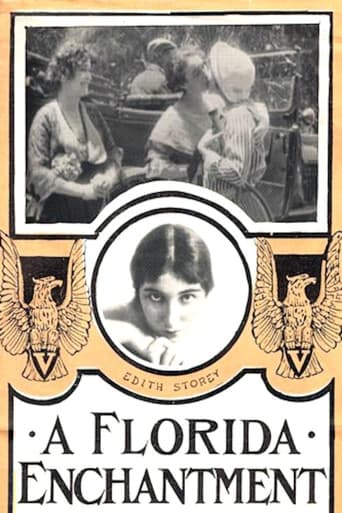
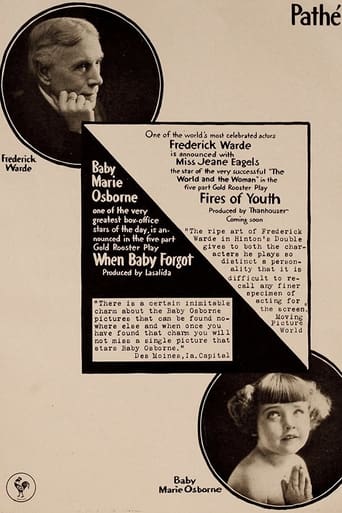
American silent film actress who had a brief but notable career during the early years of American cinema. Grace appears in several films between 1914 and 1917, with her most documented roles being in 'A Florida Enchantment' (1914) and 'The Fires of Youth' (1917). Like many actresses of her era, Stevens worked during a transitional period when cinema was evolving from short subjects to feature-length narratives. Her career, though short, coincided with the golden age of silent film production before the industry's move toward Hollywood's studio system. Stevens was part of the generation of performers who helped establish the language of film acting before the advent of sound. Unfortunately, like many supporting players from this era, detailed records of her life and career are scarce, reflecting the often undocumented nature of early film industry personnel.
The Craft
On Screen
As a silent film actress, Stevens would have employed the exaggerated physical gestures and facial expressions characteristic of the era, using body language to convey emotion and narrative without the benefit of dialogue.
Milestones
- Appeared in 'A Florida Enchantment' (1914), one of the early feature films of the silent era
- Starred in 'The Fires of Youth' (1917)
- Worked during the transitional period of American cinema's development
Best Known For
Must-See Films
Why They Matter
Impact on Culture
Grace Stevens represents the countless working actors who formed the backbone of early American cinema during its formative years. While not a major star, her contributions to films like 'A Florida Enchantment' helped establish the foundation of narrative filmmaking in America. Her work during 1914-1917 places her among the pioneers who developed the craft of film acting before the Hollywood studio system fully crystallized. Stevens and her contemporaries were instrumental in creating the visual language of cinema that would influence generations of performers to come.
Lasting Legacy
Grace Stevens' legacy lies in her participation in early American cinema during its crucial developmental years. Though her filmography is limited, her appearances in surviving silent films serve as historical artifacts documenting the evolution of film acting and storytelling. She represents the often-overlooked supporting players who were essential to the film industry's growth but whose names have faded from popular memory. Her work remains of interest to film historians and silent cinema enthusiasts studying the broader context of early 20th-century American film production.
Who They Inspired
As a supporting actress during the silent era, Grace Stevens likely influenced other performers through her work in ensemble casts, though specific documentation of her mentorship or direct influence on other actors is not available. Her performances contributed to the collective development of silent film acting techniques that would later influence the transition to sound cinema.
Off Screen
Very little information is available about Grace Stevens' personal life, which was common for supporting actors of the silent era who were not major stars. Like many performers of her time, she likely maintained a private life away from the burgeoning film industry's spotlight.
Did You Know?
- Grace Stevens' active years covered only three years, from 1914 to 1917, which was typical for many supporting actors of the silent era
- Her film 'A Florida Enchantment' (1914) was based on a novel and was considered somewhat controversial for its time due to its themes of gender transformation
- Like many silent films, most of Stevens' work is likely lost, as it's estimated that over 90% of American silent films have been destroyed
- The Fires of Youth (1917) was one of her last known film appearances
- Silent era actors like Stevens often worked for multiple production companies as the studio system was still developing
- Many actors from this period used stage names, making it difficult to trace their complete biographies
- The early 1910s was a period of rapid technical innovation in cinema, and actors like Stevens had to constantly adapt to new filming techniques
Frequently Asked Questions
Who was Grace Stevens?
Screen credits include several films between 1914 and 1917. She is primarily known for her roles in 'A Florida Enchantment' (1914) and 'The Fires of Youth' (1917), representing the many supporting actors who worked during the early development of American cinema.
What films is Grace Stevens best known for?
Titles linked here include A Florida Enchantment (1914), The Fires of Youth (1917).
When was Grace Stevens born and when did she die?
Unfortunately, specific birth and death dates for Grace Stevens are not documented in available historical records. This lack of biographical information is common for supporting actors from the silent era who were not major stars.
What awards did Grace Stevens win?
There are no documented awards or nominations for Grace Stevens, which was typical for supporting actors of her era. The major film awards systems, including the Academy Awards, were not established until after her career had ended.
What was Grace Stevens' acting style?
As a silent film actress, Grace Stevens would have employed the physical acting style characteristic of the era, using exaggerated gestures, facial expressions, and body language to convey emotions and tell stories without dialogue. This style was necessary to communicate with audiences in the absence of sound.