
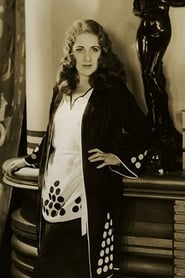
Rita Flynn
Actor
Born: August 16, 1905 in Chicago, Illinois, USA Died: December 31, 1973 Active: 1929-1932
Films
1 film
About Rita Flynn
American actress and singer who briefly flourished during the transitional period between the silent era and the early sound years of Hollywood. Born in Chicago, she began her career in vaudeville and musical theater, where her vocal talents and comedic timing were honed before being scouted for the screen. She is most prominently remembered for her role as 'Bessie' in the 1930 Metro-Goldwyn-Mayer musical drama 'Lord Byron of Broadway,' a film that attempted to capitalize on the burgeoning 'all-talking, all-singing' craze. Despite the film's significant production value and Flynn's energetic performance, her cinematic career did not transition into the long-term stardom enjoyed by her contemporaries. Rita appears in a handful of short subjects and features during the early 1930s, often cast in roles that required a 'flapper' archetype or a musical performance. Her career serves as a poignant example of the many talented performers of the era who made a distinct mark in early 'talkies' but eventually returned to the stage or private life as the studio system consolidated its roster of stars.
The Craft
On Screen
Flynn possessed a vivacious and high-energy acting style characteristic of the late 1920s flapper era. Her performances were often marked by a blend of physical comedy and musicality, utilizing the broad gestures required for vaudeville while attempting to adapt to the more intimate requirements of the early microphone. She was noted for her clear diction, which was a highly valued commodity during the industry's difficult transition to sound.
Milestones
- Cast in a supporting role in the MGM Technicolor musical 'Lord Byron of Broadway' (1930)
- Performed as a featured singer in early Vitaphone musical shorts
- Transitioned from a successful vaudeville circuit to a contract with Metro-Goldwyn-Mayer
- Appeared in the early sound comedy 'The Girl Said No' (1930) alongside William Haines
- Represented the 'Modern Girl' archetype in early 1930s publicity stills for MGM
Best Known For
Iconic Roles
Must-See Films
Accolades
Special Recognition
- Featured in several 1930s film fan magazines as a 'Rising Star of the Sound Screen'
Working Relationships
Worked Often With
Studios
Why They Matter
Impact on Culture
Rita Flynn represents the 'lost generation' of early sound cinema—performers who had the talent to bridge the gap from silence to sound but were caught in the rapid evolution of studio tastes. Her appearance in 'Lord Byron of Broadway' is culturally significant as it was one of MGM's early attempts at a large-scale musical featuring two-color Technicolor sequences. She embodied the youthful, slightly rebellious spirit of the late Prohibition era, which was a major cultural export of Hollywood at the time.
Lasting Legacy
Flynn's legacy resides primarily in the archives of early musical cinema. While not a household name today, her work provides film historians with a clear view of the performance styles favored during the 1929-1930 'musical boom.' She is a fixture in the study of early sound shorts and the development of the musical genre at MGM, which would eventually become the gold standard for the industry.
Who They Inspired
Her influence was most felt among her peers in the vaudeville-to-film pipeline, proving that stage performers could successfully navigate the technical hurdles of early sound recording equipment.
Off Screen
Rita Flynn was known to be part of the vibrant social scene of early 1930s Hollywood, often appearing in trade papers at industry events. Following her brief stint in motion pictures, she largely withdrew from the public eye, reportedly returning to her roots in live performance and musical theater in the Midwest. She maintained a private life after her departure from the screen, with records indicating she remained in the United States until her passing in the early 1970s.
Education
Trained in vocal performance and dance through the vaudeville circuit and private tutors in Chicago.
Family
- Information regarding specific marriages is not publicly documented in standard studio records.
Did You Know?
- She was frequently confused in later years with other actresses of the same name, though she was the only one to feature prominently in 1930 MGM productions.
- Flynn was known for her 'belt' singing voice, which was ideal for early, less-sensitive microphones.
- She appeared in 'Lord Byron of Broadway' which was originally titled 'What is This Thing Called Love?'
- Her film 'The Girl Said No' was a significant hit for MGM, though she played a smaller character role.
- She was part of the era where studios were frantically signing anyone with stage experience to ensure they had actors who could speak lines clearly.
In Their Own Words
I find the camera much more intimidating than a live audience, for the camera never applauds until the director says 'cut.' (Regarding her transition from stage to screen in a 1930 interview)
Frequently Asked Questions
Who was Rita Flynn?
American actress and singer active during the early sound era of Hollywood. She is best known for her roles in MGM musicals and comedies in 1930, particularly 'Lord Byron of Broadway'.
What films is Rita Flynn best known for?
Titles linked here include Lord Byron of Broadway (1930), The Girl Said No (1930).
When was Rita Flynn born and when did she die?
Born August 16, 1905; died December 31, 1973.
What was Rita Flynn's acting style?
She was known for a vivacious, high-energy style that combined her vaudeville background with the requirements of early sound cinema, emphasizing clear vocal delivery and comedic timing.
What is Rita Flynn's legacy in film?
She represents the transition of musical talent from the stage to the screen during the birth of the 'talkie,' contributing to the early development of the Hollywood musical genre at MGM.