Virginia Marshall
Actor
- Active
- 1925-1925
Films 2
About Virginia Marshall
Virginia Marshall appears to have been a very obscure silent-era screen performer whose documented film career, at least in surviving public filmographies, is limited to a brief activity span in 1925. She is credited as an actor in two films from that year, Daddy's Gone A-Hunting and Lazybones, placing her within the fast-moving studio system of mid-1920s American cinema. Beyond those screen credits, readily verifiable biographical details are scarce, suggesting she may have been a minor player, extra, or supporting performer whose work was not widely publicized and whose later life was not extensively covered in standard reference sources. Because surviving records are limited, it is not possible to confidently reconstruct a full career arc, but her credits confirm participation in the silent film industry during one of its most productive periods. There is no reliable evidence in the available record of a long film career, later talkie work, major stardom, or extensive press coverage. As a result, Virginia Marshall is best understood today as one of many lesser-documented contributors to silent cinema whose name survives primarily through filmography databases and studio-era credits. Her presence in the historical record still matters, however, because such performers helped populate and sustain the elaborate production ecosystem of early Hollywood.
More about Virginia Marshall
In film history
Virginia Marshall's cultural impact is subtle rather than celebrity-driven, reflecting the importance of secondary and lesser-known performers in silent-era filmmaking. Even when a performer did not become a marquee name, participation in released studio films contributed to the texture, realism, and labor infrastructure of classic cinema. Her surviving film credits offer historians a reminder that the silent era depended on a vast number of actors whose names often survive only in cast lists, trade records, or database entries. In that sense, her historical value lies in representing the many under-documented artists who helped shape early Hollywood from the ground up.
Later reputation
Her legacy in film history is largely archival: Virginia Marshall remains part of the surviving record of silent cinema through her credited appearances, even though little else is presently confirmed about her life or career. For researchers, her name underscores the unevenness of early film documentation and the way many working actors from the 1920s have become difficult to trace. She may not have left behind a major star legacy, but she remains a legitimate part of classic cinema history through her screen work. In modern database terms, preserving her credits helps maintain a more complete account of the personnel who contributed to silent-era production.
Influence
There is no documented evidence that Virginia Marshall directly influenced other actors or filmmakers in a notable public way. Her significance is therefore indirect: by participating in studio productions, she was part of the workforce that established acting conventions and ensemble practices in early American film. Her presence in the historical record contributes to a fuller understanding of silent-era casting and the broader ecosystem that supported more prominent stars and directors.
Off screen
No reliable, widely verifiable information about Virginia Marshall's personal life, family background, marriages, or later years is available in the standard historical record consulted for classic cinema personalities. She does not appear to have left behind the kind of press footprint that would typically document domestic life, relationships, or post-film career activity. Because of that, any detailed claims about her private life would be speculative and are not included here.
Credits
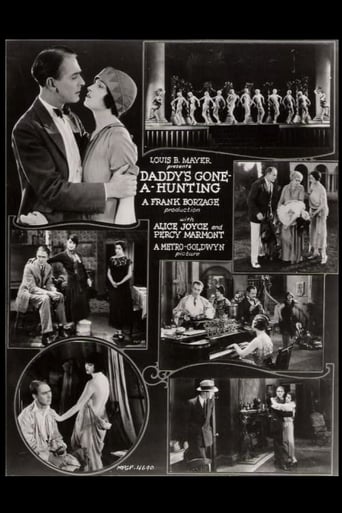
- Credited as an actor in the 1925 silent film Daddy's Gone A-Hunting
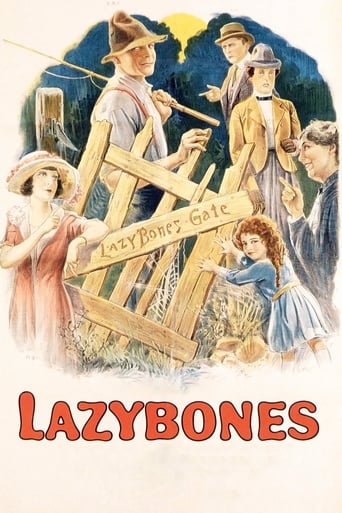
- Credited as an actor in the 1925 silent film Lazybones
- Represents a documented example of a silent-era performer whose surviving public record is extremely limited
- Associated with the peak years of mid-1920s studio production
- Her surviving credits place her within the historical cast lists of classic American cinema
Films
- Daddy's Gone A-Hunting (1925)
- Lazybones (1925)
Notes
- Virginia Marshall's surviving filmography is extremely small, with only two known 1925 screen credits in the available record.
- She was active during the silent film era, just a few years before synchronized sound transformed Hollywood production.
- The scarcity of biographical data suggests she may have been a minor supporting performer or briefly active screen player rather than a long-term star.
- Both known credits date from the same year, which makes her a particularly concise case study in silent-era film documentation.
- She is an example of how many silent film performers are remembered primarily through cast listings rather than interviews, studio publicity, or fan magazines.
- Her name survives in classic film databases even though personal details such as birth and death information are not readily verified.
- The lack of available personal information is common for lesser-known actors from the 1920s, especially those outside the top tier of studio promotion.
Questions
Who was Virginia Marshall?
Virginia Marshall was a very obscure silent-era film actor credited in 1925 productions, including Daddy's Gone A-Hunting and Lazybones. Her surviving record is limited, so she is best understood as a minor classic cinema performer whose name remains in film history through her credits rather than through extensive publicity.
What films is Virginia Marshall best known for?
She is primarily associated with Daddy's Gone A-Hunting (1925) and Lazybones (1925), the two films currently credited to her in the surviving record. These titles represent the entirety of her known on-screen career as documented in accessible sources.
When was Virginia Marshall born and when did she die?
Her birth and death dates are not reliably documented in the available record. Likewise, her birthplace and full personal chronology remain unavailable from the standard classic cinema references consulted here.
What awards did Virginia Marshall win?
No awards or formal honors are currently documented for Virginia Marshall. Given the limited surviving information about her career, there is no reliable evidence of major industry recognition.
What was Virginia Marshall's acting style?
There is not enough surviving critical description to characterize her acting style with confidence. Since she worked in silent films, her performances would have relied on the expressive visual techniques typical of the era, but any more specific assessment would be speculative.
What is Virginia Marshall's legacy in film history?
Her legacy is primarily archival and historical: she represents the many lesser-known performers who contributed to silent cinema but were not widely documented. Preserving her credits helps create a more complete picture of early Hollywood's cast rosters and working actors.