Films
2 films
About Moisei Goldblat
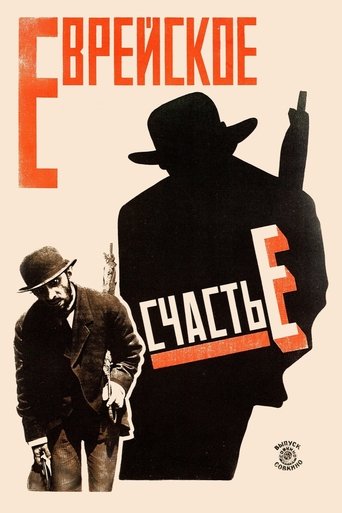
Soviet actor active during the silent film era of the 1920s. He is primarily known for his appearance in the 1925 silent film 'Jewish Luck' (Еврейское счастье), which was based on stories by the renowned Yiddish writer Sholem Aleichem. The film was one of the early Soviet productions that focused on Jewish themes and characters, representing an important cultural document of Jewish life in the Soviet Union during that period. Goldblat's career appears to have been brief, with his only documented film credit being this significant early Soviet production. His participation in this film placed him among the early generation of Soviet actors working in the newly formed Soviet film industry, which was experimenting with both artistic expression and social messaging. Unfortunately, detailed records about his life, training, and broader career have not been well-preserved in accessible archives, making him one of the many lesser-known contributors to early Soviet cinema.
The Craft
Milestones
- Appeared in 'Jewish Luck' (1925), one of the early Soviet silent films addressing Jewish themes
Best Known For
Iconic Roles
Must-See Films
Why They Matter
Impact on Culture
Moisei Goldblat's contribution to cinema, while brief, is significant as part of the early Soviet film industry's efforts to represent diverse cultural experiences within the new socialist state. His appearance in 'Jewish Luck' places him within an important movement of Soviet cinema that sought to document and portray the lives of various ethnic and cultural groups in the Soviet Union. The film itself stands as an important cultural artifact, being one of the early adaptations of Sholem Aleichem's work and representing Jewish themes in Soviet cinema during a period of relative cultural freedom before the Stalin era restrictions.
Lasting Legacy
Moisei Goldblat's legacy is preserved primarily through his participation in 'Jewish Luck' (1925), which remains an important historical document of early Soviet cinema and Jewish cultural representation. While his individual contribution may seem minor compared to the stars of the era, his work is part of the broader tapestry of Soviet film history that helped establish the foundation for Russian and Soviet cinema. The film he participated in continues to be studied by film historians and scholars interested in early Soviet cinema, Jewish representation in film, and the adaptation of Yiddish literature to the screen.
Who They Inspired
Due to the limited scope of his documented career, specific information about Moisei Goldblat's influence on other actors or filmmakers is not available in accessible sources. However, his participation in early Soviet cinema contributes to the broader understanding of how the Soviet film industry developed and how it addressed cultural diversity in its early years.
Off Screen
Very little information is available about Moisei Goldblat's personal life, as detailed records of Soviet actors from the 1920s, particularly those with brief careers, are scarce in accessible archives.
Did You Know?
- Moisei Goldblat appeared in 'Jewish Luck' (1925), which was based on stories by Sholem Aleichem, the famous Yiddish writer whose works would later inspire the musical 'Fiddler on the Roof'
- The film 'Jewish Luck' was one of the early Soviet productions to focus specifically on Jewish themes and characters
- 1925 was a significant year for Soviet cinema, as it was during the period when filmmakers like Sergei Eisenstein were revolutionizing film language
- The film was made during the relatively liberal cultural period of the 1920s in the Soviet Union, before the stricter cultural controls of the 1930s
- Silent films like 'Jewish Luck' were particularly important in the early Soviet Union as they could transcend language barriers among the diverse Soviet population
Frequently Asked Questions
Who was Moisei Goldblat?
Soviet with credits in this catalog. His career appears to have been brief, with this being his only documented film credit, but he contributed to early Soviet cinema during an important period of artistic development.
What films is Moisei Goldblat best known for?
Titles linked here include Jewish Luck (1925).
When was Moisei Goldblat born and when did he die?
Unfortunately, specific birth and death dates for Moisei Goldblat are not available in accessible historical records. This is common for many actors from the early Soviet film era, particularly those with brief careers or who were not major stars.
What awards did Moisei Goldblat win?
There are no documented awards or nominations for Moisei Goldblat in available sources. During the early Soviet film industry of the 1920s, formal award systems were not yet established in the way they would become in later decades.
What was Moisei Goldblat's acting style?
Specific details about Moisei Goldblat's acting style are not documented in accessible sources. As a silent film actor from 1925, he would have worked within the conventions of that era, which typically emphasized expressive physical acting and facial expressions to convey emotion without dialogue.