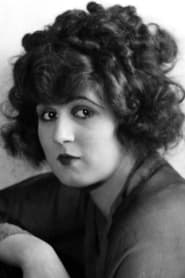
Marion Aye
Actor
Born: April 5, 1901 in Philadelphia, Pennsylvania, USA Died: July 23, 1975 Active: 1919-1928 Birth Name: Marion Elizabeth Aye
Films
2 films
About Marion Aye
Made her mark in the silent film era during the early 1920s. Born in Philadelphia, Pennsylvania, she began her film career around 1919 and quickly became a familiar face in Hollywood comedies and dramas. She worked primarily with Hal Roach Studios and appeared in numerous short comedies and feature films throughout her career. Her most notable period was from 1920 to 1926, during which she established herself as a reliable character actress with a distinctive screen presence. After marrying director Scott R. Dunlap in 1926, she gradually reduced her film appearances and eventually retired from acting. Despite her relatively brief career, she appeared in over 40 films, working alongside many of the era's notable comedians and dramatic actors. Her final film appearances were in the late 1920s as the transition to sound films began, marking the end of her contribution to silent cinema.
The Craft
On Screen
Marion Aye was known for her naturalistic acting style that transitioned well from the theatrical traditions of earlier silent films to the more subtle performances demanded by 1920s cinema. She possessed a versatile screen presence that allowed her to excel in both comedic and dramatic roles. Her performances were characterized by expressive facial emotions and graceful body language, essential skills for silent era actors. She often played the romantic interest or supporting character roles, bringing warmth and authenticity to her characters.
Milestones
- Film debut in 1919
- Contract with Hal Roach Studios in early 1920s
- Appeared in over 40 silent films
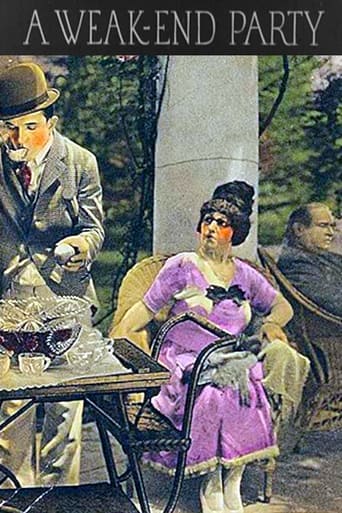
- Notable role in The Weak-End Party (1922)
- Married director Scott R. Dunlap in 1926
- Retirement from acting in late 1920s
Best Known For
Iconic Roles
Must-See Films
Working Relationships
Worked Often With
Studios
Why They Matter
Impact on Culture
Marion Aye represents the thousands of working actresses who formed the backbone of Hollywood's silent film era. While not a major star, her contributions to the prolific output of 1920s cinema helped establish the foundation of American film comedy and drama. Her work with Hal Roach Studios placed her at the center of early comedy film development, working alongside pioneers who would shape cinematic comedy for decades. Her career trajectory—from active actress to retirement after marriage—reflects the common patterns for women in early Hollywood, highlighting the social constraints that influenced many actresses' career choices.
Lasting Legacy
Marion Aye's legacy lies in her body of work that survives as part of the silent cinema. Her films serve as valuable historical documents of early American filmmaking techniques and storytelling methods. While she may not be remembered as a major star, her performances contribute to our understanding of the collaborative nature of early Hollywood production. Her career exemplifies the journey of countless supporting actors who were essential to the success of the studio system but whose names have faded from popular memory despite their significant contributions to film history.
Who They Inspired
Marion Aye's influence was primarily through her work in establishing the conventions of supporting roles in silent comedy and drama. Her performances helped define the types of characterizations that would become standard in Hollywood films. While she didn't directly mentor future stars, her work in Hal Roach productions contributed to the development of comedy styles that would influence generations of filmmakers and performers. Her career serves as an example for film scholars studying the role of women in early cinema and the evolution of acting techniques from theatrical to cinematic styles.
Off Screen
Marion Aye married film director Scott R. Dunlap in 1926, which significantly influenced her career trajectory. The marriage marked the beginning of her gradual withdrawal from acting, as was common for many actresses of that era. After retiring from films, she focused on her family life and private endeavors away from Hollywood. She lived a relatively quiet life after her film career ended, maintaining connections within the film industry through her husband's work. She passed away in 1975 at the age of 74, having witnessed the dramatic evolution of cinema from silent films to modern Hollywood productions.
Education
Limited information available about her formal education, which was typical for many actors of her era who often entered the film industry at young ages.
Family
- Scott R. Dunlap (1926-1975, until his death)
Did You Know?
- Sometimes credited as Mary Aye in various film productions
- Appeared in over 40 films during her brief 9-year career
- Worked extensively with comedy pioneer Hal Roach
- Her active years covered the transitional period when films were evolving from shorts to feature-length productions
- Married director Scott R. Dunlap, who directed many Western films
- Retired from acting shortly after the introduction of sound in films
- Many of her films are now considered lost, a common fate for silent era productions
- She was part of the stable of actors who worked regularly in the Hollywood studio system
- Her filmography includes work in multiple genres: comedy, drama, and Westerns
- The Weak-End Party (1922) is one of her few surviving films that showcases her comedic talents
In Their Own Words
No documented famous quotes, which was common for supporting actors of the silent era who rarely gave interviews or published memoirs.
Frequently Asked Questions
Who was Marion Aye?
American actress who worked in silent films during the early 1920s, appearing in over 40 productions primarily with Hal Roach Studios. She was known for her versatile performances in both comedies and dramas, though she never achieved major stardom.
What films is Marion Aye best known for?
Titles linked here include The Weak-End Party (1922), The Galloping Ghost (1920).
When was Marion Aye born and when did she die?
Born April 5, 1901; died July 23, 1975.
What awards did Marion Aye win?
Marion Aye did not receive any major awards or nominations during her career, which was typical for supporting actors of the silent era who often worked without formal recognition despite their contributions to film.
What was Marion Aye's acting style?
Marion Aye was known for her naturalistic acting style that suited the evolving demands of 1920s cinema, using expressive facial emotions and graceful body language essential for silent film performances, allowing her to excel in both comedic and dramatic roles.