Films
1 film
About Charles Mussett
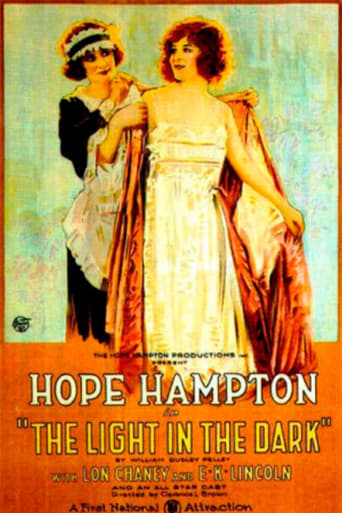
Actor during the silent film era of the early 1920s, known primarily for his appearance in the 1922 drama 'The Light in the Dark.' His career appears to have been extremely brief, with film records indicating activity only in the year 1922. Like many actors of the silent period, he was likely a character actor or bit player who worked during the transitional period when Hollywood was establishing itself as the center of American cinema. The lack of extensive documentation about his career suggests he may have been either a minor performer who left the industry quickly or someone who primarily worked in uncredited roles that were not well-documented. His single known credit in 'The Light in the Dark' places him within the context of early American dramatic cinema, working alongside established actors of the period. The film itself was directed by Clarence Brown and produced by Realart Pictures Corporation, representing the type of dramatic productions that characterized American silent cinema before the transition to sound.
The Craft
Milestones
- Appeared in 'The Light in the Dark' (1922)
Best Known For
Must-See Films
Working Relationships
Studios
Why They Matter
Impact on Culture
Charles Mussett represents the countless anonymous actors and performers who contributed to the silent cinema but whose individual stories have been largely lost to history. His appearance in 'The Light in the Dark' places him within the broader context of early 1920s American cinema, a period when the film industry was rapidly developing its star system and production methods. While his individual impact may have been minimal, he was part of the collective workforce that made possible the golden age of silent film, contributing to the visual storytelling techniques that would influence generations of filmmakers.
Lasting Legacy
The legacy of Charles Mussett is primarily historical, serving as a reminder of the thousands of performers who populated early American films but whose names and stories have faded from public memory. His brief appearance in the film record highlights the transient nature of early Hollywood careers and the challenges of preserving the complete history of cinema's pioneers. As with many minor players from this era, his contribution exists as part of the larger collective effort that established American cinema as a dominant cultural force.
Who They Inspired
Due to the limited scope of his known career, there is no documented evidence of Charles Mussett influencing other performers or filmmakers. His brief tenure in the industry during 1922 suggests he was likely not in a position to mentor or significantly impact the artistic development of others in the field.
Off Screen
Very little information is available about the personal life of Charles Mussett, which was common for minor actors and bit players from the silent film era. Like many performers of his time who had brief or limited film careers, detailed biographical information was not systematically preserved in film archives or industry publications.
Did You Know?
- Charles Mussett's entire known film career consisted of a single year: 1922
- He appeared in 'The Light in the Dark,' which was directed by Clarence Brown, who would later become a prominent Hollywood director
- The film he appeared in was produced by Realart Pictures Corporation, a studio that specialized in releasing films featuring stars from other studios
- Like many minor actors from the silent era, comprehensive biographical information about Mussett has not survived in film archives
- His career coincided with the peak years of silent film production before the industry's transition to sound technology
- The lack of additional film credits suggests he may have been either a bit player, extra, or someone who left the industry quickly
Frequently Asked Questions
Who was Charles Mussett?
Screen credits include the 1922 drama 'The Light in the Dark.' His career was extremely brief, with known activity only in the year 1922, making him one of the many minor performers from early cinema whose biographical details remain largely undocumented.
What films is Charles Mussett best known for?
Titles linked here include The Light in the Dark (1922).
When was Charles Mussett born and when did he die?
The birth and death dates of Charles Mussett are not documented in available film archives or historical records. This lack of biographical information is common for minor actors from the silent era who had brief or limited film careers.
What awards did Charles Mussett win?
There are no records of Charles Mussett receiving any awards or nominations for his film work. This is typical for minor actors and bit players from the silent era who often worked outside the recognition systems of the film industry.
What was Charles Mussett's acting style?
There is no documented information available about Charles Mussett's specific acting style or techniques. Given his brief film career and limited screen time, detailed analysis of his performance approach has not been preserved in film history records.