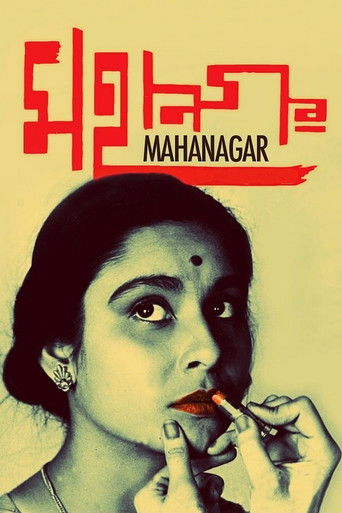
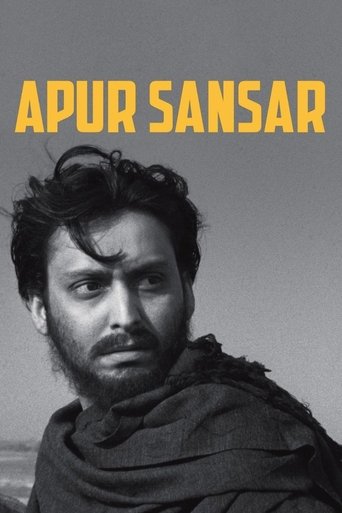
Films
2 films
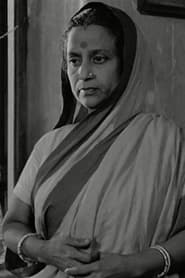
About Sefalika Devi
Indian actress who worked primarily in Bengali cinema during the late 1950s and early 1960s. She gained recognition for her roles in two of Satyajit Ray's most acclaimed films, establishing herself as a reliable character actress in the burgeoning parallel cinema movement of India. Her performance in 'Apur Sansar' (1959), the final installment of Ray's Apu Trilogy, showcased her ability to portray complex emotions with subtlety and depth. In 'The Big City' (1963), she continued her collaboration with Ray, contributing to the film's exploration of modern urban life and women's changing roles in society. Though her filmography was brief, her work during this critical period of Indian cinema's golden age demonstrated significant artistic merit. Her performances were marked by naturalistic acting that aligned with Ray's realist filmmaking philosophy. Despite having a relatively short career span of just four years, she through her memorable supporting roles in films that would later be regarded as classics of world cinema.
The Craft
On Screen
Naturalistic and understated, following the realist tradition of Satyajit Ray's filmmaking. Her performances were characterized by subtle emotional expression and authentic portrayal of everyday characters, avoiding melodramatic conventions common in mainstream Indian cinema of the era.
Milestones
- Debut in Satyajit Ray's 'Apur Sansar' (1959)
- Collaboration with acclaimed director Satyajit Ray
- Performance in 'The Big City' (1963), one of Ray's major works
- Contribution to the golden age of Bengali parallel cinema
Best Known For
Iconic Roles
Must-See Films
Working Relationships
Worked Often With
Why They Matter
Impact on Culture
Sefalika Devi contributed to the parallel cinema movement in India during its formative years, working with Satyajit Ray at a time when Bengali cinema was gaining international recognition. Her performances in films that would later be considered classics of world cinema helped establish the template for realistic acting in Indian cinema. Though not widely recognized during her time, her work is now appreciated as part of the ensemble that created some of the most important films in Indian cinema history.
Lasting Legacy
Her legacy is preserved through her contributions to two of Satyajit Ray's most significant films, which continue to be studied and celebrated worldwide. As part of Ray's regular troupe of actors, she helped create the authentic world that defined his cinematic vision. While she may not be a household name, her performances remain integral to the enduring power of these classic films.
Who They Inspired
As a character actress working in the realist tradition, she helped demonstrate the effectiveness of naturalistic performance in Indian cinema, influencing subsequent generations of actors who sought to move away from theatrical acting styles. Her work with Ray contributed to establishing a new standard for acting in Indian parallel cinema.
Off Screen
Very little is publicly documented about Sefalika Devi's personal life, as she was not a mainstream celebrity and maintained a private existence outside of her brief acting career. Like many character actors of her era, she focused primarily on her craft rather than public attention.
Did You Know?
- Worked exclusively with director Satyajit Ray during her brief career
- Her entire known filmography consists of only two films
- Both films she appeared in are now considered classics of world cinema
- was the final film in Ray's acclaimed Apu Trilogy
- 'The Big City' was one of the first Indian films to focus on working women's issues
- She was part of Ray's regular ensemble of character actors
- Her active years covered only four years but included two of Indian cinema's most important films
- Like many of Ray's character actors, she brought authentic middle-class Bengali sensibility to her roles
Frequently Asked Questions
Who was Sefalika Devi?
Indian actress who worked in Bengali cinema during the late 1950s and early 1960s, primarily known for her roles in two of Satyajit Ray's most acclaimed films, 'Apur Sansar' and 'The Big City'.
What films is Sefalika Devi best known for?
Titles linked here include Apur Sansar (1959), The Big City (1963).
When was Sefalika Devi born and when did she die?
Unfortunately, specific birth and death dates for Sefalika Devi are not publicly documented, as was common for many character actors of her era who maintained private lives outside their brief film careers.
What awards did Sefalika Devi win?
There are no documented awards or nominations for Sefalika Devi, though she contributed to films that received numerous international accolades and are now recognized as cinematic masterpieces.
What was Sefalika Devi's acting style?
Her acting style was naturalistic and understated, following the realist tradition of Satyajit Ray's filmmaking. She specialized in subtle, authentic portrayals of everyday characters, avoiding the melodramatic conventions common in mainstream Indian cinema of the time.