
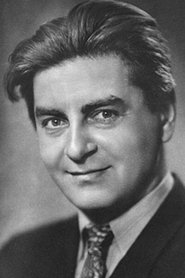
Yuri Lyubimov
Actor
Born: September 30, 1917 in Yaroslavl, Russian Soviet Federative Socialist Republic Died: October 5, 2014 Active: 1939-2014 (acting: 1941-1951) Birth Name: Yuri Petrovich Lyubimov
Films
5 films

About Yuri Lyubimov
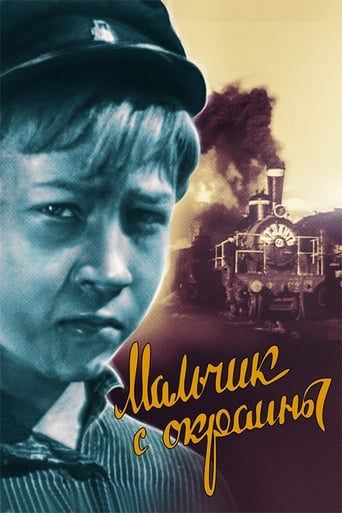
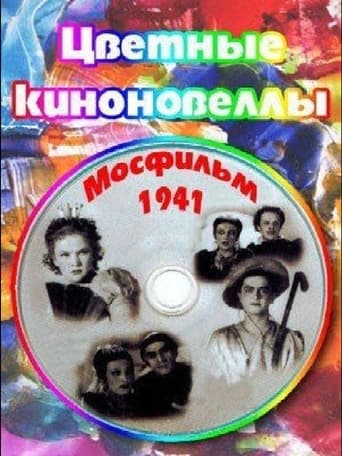
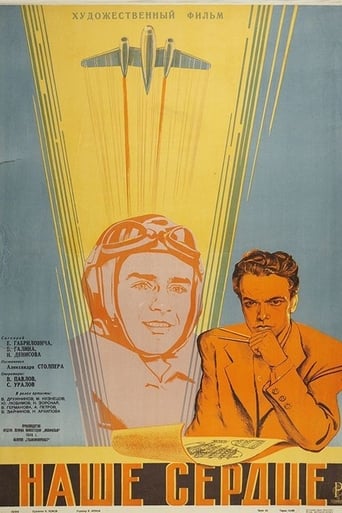
Yuri Petrovich Lyubimov — renowned Soviet and Russian theater director, actor, and pedagogue who had a brief but notable acting career in the 1940s before becoming theater directors of the 20th century. Born in Yaroslavl in 1917, he began his artistic journey as an actor at the Vakhtangov Theatre in Moscow, where he worked from 1939 to 1946. During this period, he appeared in several Soviet films including 'Novelly' (1941), 'A Noisy Household' (1946), 'Our Heart' (1946), 'Boy From the Outskirts' (1947), and 'The Heart of the Brave' (1951), often playing supporting roles that showcased his naturalistic acting style. After his acting phase, Lyubimov transitioned to directing and in 1964 founded the Taganka Theatre, which became for its innovative productions and political courage. His directorial work challenged Soviet conventions and brought international acclaim, though it also led to conflicts with authorities and eventual exile in the 1980s. Despite his brief film career, Lyubimov's early acting experience informed his later revolutionary directing methods, which emphasized physical expression and emotional authenticity. He returned to Russia after the Soviet collapse and continued directing until his death in 2014, leaving an indelible mark on world theater.
The Craft
On Screen
Naturalistic and emotionally grounded, with emphasis on psychological authenticity and subtle character development. His early film performances reflected the Soviet realist tradition while incorporating personal sensitivity and depth.
Milestones
- Graduated from Vakhtangov Theatre School (1939)
- Actor at Vakhtangov Theatre (1939-1946)
- Appeared in five Soviet films (1941-1951)
- Founded Taganka Theatre (1964)
- Directed landmark production of 'The Good Person of Szechwan' (1964)
- Exiled from USSR (1984-1989)
- Returned to direct at Taganka (1989-2011)
- Received numerous international theater awards
Best Known For
Iconic Roles
Must-See Films
Accolades
Won
- People's Artist of the RSFSR (1968)
- People's Artist of the USSR (1991)
- State Prize of the Russian Federation (1997)
- Order of Merit for the Fatherland (3rd class, 1997)
- Order of Merit for the Fatherland (2nd class, 2007)
- Stanislavsky Prize (1993)
- Triumph Prize (1993)
- Crystal Turandot Prize (1991, 1997)
Nominated
- Multiple Laureate of State Prizes
- Nominated for various international theater awards
Special Recognition
- Honored Artist of the RSFSR (1958)
- Commander of the Order of Arts and Letters (France)
- Honorary Doctor of several universities
- International Theater Institute award
Working Relationships
Worked Often With
Studios
Why They Matter
Impact on Culture
Lyubimov fundamentally transformed Soviet and world theater through his innovative directing methods and courageous artistic choices. His Taganka Theatre became a cultural phenomenon, attracting intellectual audiences and challenging Soviet cultural norms through politically charged productions. He pioneered a unique theatrical language combining physical expression, poetic text, and contemporary relevance, influencing generations of theater artists worldwide. His work demonstrated how theater could serve as both artistic expression and social commentary, inspiring similar movements across Eastern Europe and beyond.
Lasting Legacy
Yuri Lyubimov's legacy endures through the revolutionary impact he had on 20th-century theater and the artists he trained. The Taganka Theatre remains one of Russia's most important cultural institutions, continuing his tradition of bold, experimental productions. His directing methods, emphasizing physical theater and ensemble work, have been adopted by theater companies globally. Despite political persecution and exile, Lyubimov maintained artistic integrity, becoming a symbol of artistic freedom and resistance to censorship. His influence extends beyond theater to film, literature, and political discourse, making him.
Who They Inspired
Lyubimov influenced countless theater directors and actors through his innovative staging techniques and emphasis on physical expression. His work inspired the experimental theater movements of the 1960s and 1970s, both in the Soviet Union and internationally. Directors such as Anatoly Vasiliev, Lev Dodin, and Oleg Tabakov have acknowledged his impact. His approach to classic texts, making them relevant to contemporary audiences, became a model for theater directors worldwide. The Taganka Theatre's success inspired similar experimental theaters across Eastern Europe during the thaw period.
Off Screen
Lyubimov was married twice and had two children. His first marriage was to actress Svetlana Nemolyaeva, though they divorced. He later married Elena Lyubimova. His personal life was often intertwined with his artistic career, with his second wife working closely with him at the Taganka Theatre. He maintained a private persona despite his public artistic prominence, focusing intensely on his creative work.
Education
Family
- Svetlana Nemolyaeva (1940s)
- Elena Lyubimova (1950s-2014)
Did You Know?
- His acting career lasted only about 10 years before he transitioned to directing
- He was a veteran of World War II, serving in the Red Army
- The Taganka Theatre was originally a small studio that he transformed into a world-renowned company
- His production of 'Hamlet' with Vladimir Vysotsky became legendary in Soviet theater
- He was stripped of Soviet citizenship during his exile in 1984
- His return to the USSR in 1989 was a major cultural event
- He continued directing well into his 90s
- His theater attracted both intellectual elite and working-class audiences
- He was known for his strict rehearsal methods and demanding artistic standards
- His productions were often subject to censorship but found ways to convey political messages
In Their Own Words
Theater must be dangerous, it must make people think and feel
I don't need a theater that applauds the authorities
Art is either revolution or it is nothing
The actor's body is his primary instrument
We must bring the classics to contemporary life, not preserve them in museums
Freedom is the condition for true art
Theater is a dialogue with society, not a monologue
Every performance is a battle for truth
Frequently Asked Questions
Who was Yuri Lyubimov?
Legendary Soviet and Russian theater on YTB.my. He became.
What films is Yuri Lyubimov best known for?
Titles linked here include Novelly (1941), A Noisy Household (1946).
When was Yuri Lyubimov born and when did he die?
Born September 30, 1917; died October 5, 2014.
What awards did Yuri Lyubimov win?
Lyubimov received numerous prestigious awards including People's Artist of the USSR, the State Prize of the Russian Federation, the Order of Merit for the Fatherland, and various international theater honors recognizing his contributions to world theater.
What was Yuri Lyubimov's directing style?
Lyubimov's directing style was revolutionary and experimental, combining physical theater, poetic expression, and political commentary. He was known for minimalist staging, powerful ensemble work, and bold reinterpretations of classic texts that made them relevant to contemporary audiences.
What was the Taganka Theatre?
The Taganka Theatre was the experimental theater company Lyubimov founded in 1964, which became legendary for its innovative productions and political courage. It attracted intellectual audiences and became.
Why was Yuri Lyubimov exiled from the Soviet Union?
Lyubimov was exiled in 1984 and stripped of his Soviet citizenship due to his outspoken criticism of the Soviet regime and his refusal to conform to state cultural policies. He was allowed to return in 1989 during the period of glasnost.