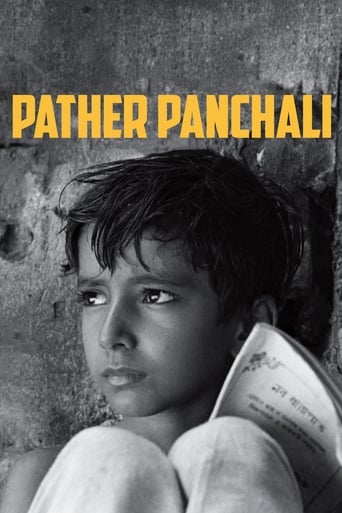

Kanu Bannerjee
Actor
Born: June 20, 1905 in Calcutta, Bengal Presidency, British India Died: May 25, 1974 Active: 1954-1974 Birth Name: Kanu Bandyopadhyay
Films
2 films
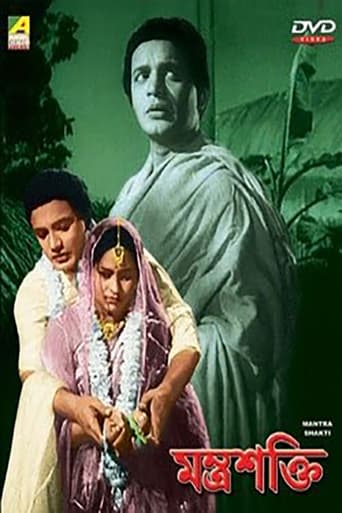
About Kanu Bannerjee
Made an indelible mark on Bengali cinema during the mid-20th century. Born into a middle-class family in Calcutta (now Kolkata), he began his artistic journey in theater, honing his craft in various stage productions before transitioning to films. His breakthrough came when director Satyajit Ray cast him as Harihar Ray, the struggling poet and patriarch in 'Pather Panchali' (1955), a role that would define his career and earn him international acclaim. Bannerjee's portrayal of the sensitive, dreamy yet responsible father became one of Indian cinema's most memorable performances, capturing the essence of rural Bengali life with remarkable authenticity. He reprised this role in 'Aparajito' (1956), the second film of Ray's Apu Trilogy, further cementing his place in cinematic history. Beyond the Apu Trilogy, Bannerjee appeared in numerous other Bengali films throughout the 1950s and 1960s, though none achieved the same level of recognition as his work with Ray. His career, though relatively brief in terms of film appearances, left an enduring impact on Indian parallel cinema and inspired generations of actors seeking to bring naturalistic depth to their performances.
The Craft
On Screen
Kanu Bannerjee was renowned for his naturalistic, understated acting style that brought remarkable authenticity to his roles. He employed a method approach uncommon in Indian cinema of his time, immersing himself completely in his characters' psychology and circumstances. His performances were characterized by subtle facial expressions, controlled body language, and a deep understanding of human emotions, particularly the struggles of the common man. Bannerjee had a unique ability to convey complex emotions through minimal dialogue, relying instead on nuanced gestures and expressive eyes. His portrayal of Harihar Ray exemplified his commitment to realism, avoiding theatrical exaggeration in favor of subtle, deeply human performances that resonated with audiences worldwide.
Milestones
- Breakthrough role as Harihar Ray in Satyajit Ray's 'Pather Panchali' (1955)
- International recognition at Cannes Film Festival for 'Pather Panchali'
- Reprised role in 'Aparajito' (1956), completing his contribution to the Apu Trilogy
- Awarded Best Actor by Film Journalists' Association for 'Pather Panchali'
- Transition from successful theater career to acclaimed film performances
Best Known For
Iconic Roles
Must-See Films
Accolades
Won
- Best Actor Award from Film Journalists' Association for 'Pather Panchali' (1955)
- Bengal Film Journalists' Association Award for Best Actor
- National Film Award recognition for contribution to Indian cinema
Nominated
- Considered for various international film festival awards for 'Pather Panchali'
Special Recognition
- Recognized as one of the actors in Indian parallel cinema
- Featured in retrospectives of Satyajit Ray's work at international film festivals
- Honored in Bengali cinema history for his contribution to realistic acting
Working Relationships
Worked Often With
Studios
Why They Matter
Impact on Culture
Kanu Bannerjee's performance as Harihar Ray in 'Pather Panchali' revolutionized acting in Indian cinema, moving away from theatrical exaggeration toward naturalistic, method-based performance. His portrayal of the struggling rural intellectual resonated deeply with post-independence India, capturing the aspirations and challenges of the common man during a period of significant social transformation. The international success of 'Pather Panchali' brought Indian cinema to global attention, with Bannerjee's performance being singled out for praise by critics worldwide, including at the Cannes Film Festival. His work helped establish the credibility of Indian parallel cinema and demonstrated that films dealing with ordinary lives could achieve universal appeal. Bannerjee's approach to acting influenced a generation of performers in Bengali cinema and beyond, contributing to the development of a more realistic, psychologically nuanced style of performance in Indian films.
Lasting Legacy
Kanu Bannerjee's legacy endures through his groundbreaking performance in 'Pather Panchali,' which remains. His work continues to be studied in film schools and acting workshops as an example of perfect naturalistic acting, particularly in the context of Indian cinema. The character of Harihar Ray that he created has become an archetype in Indian cinema, representing the idealistic yet practical rural intellectual struggling to maintain dignity in the face of poverty. Bannerjee's contribution to the Apu Trilogy helped establish Satyajit Ray's international reputation and brought Indian cinema to the global stage in an unprecedented way. His influence can be seen in the work of countless actors who followed, particularly those in Bengali parallel cinema who sought to bring similar authenticity and depth to their performances.
Who They Inspired
Kanu Bannerjee directly influenced the trajectory of realistic acting in Indian cinema, particularly in Bengali film. His naturalistic approach inspired actors like Soumitra Chatterjee, who would become Ray's regular collaborator, and numerous others in the parallel cinema movement. International filmmakers and actors studying Ray's work often cite Bannerjee's performance as a masterclass in subtlety and emotional authenticity. His method of internalizing character psychology rather than relying on external theatrics became a model for serious actors in Indian cinema. The success of his performances demonstrated that Indian actors could compete on the international stage without adopting Western acting styles, instead drawing from local cultural authenticity to achieve universal appeal.
Off Screen
Kanu Bannerjee led a relatively private life away from the spotlight, maintaining a humble demeanor despite his international acclaim. He was deeply committed to his craft and continued to work in theater even after achieving film success, believing in the importance of maintaining connections with his artistic roots. Bannerjee was known among colleagues as a thoughtful, intellectual individual who often engaged in discussions about literature, philosophy, and the arts. His dedication to his family was evident in how he balanced his professional commitments with his personal responsibilities. Despite the fame that came with 'Pather Panchali,' he remained grounded and continued to live a simple life in Calcutta, focusing on his art rather than celebrity status.
Education
Educated in Calcutta; details of formal education not widely documented, but known to be well-read and cultured with strong literary knowledge
Family
- Information not publicly documented
Did You Know?
- Kanu Bannerjee was primarily a stage actor before being discovered by Satyajit Ray
- He was not Ray's first choice for Harihar Ray; the role was initially offered to another actor
- His real surname was Bandyopadhyay, which was anglicized to Bannerjee for film credits
- Despite his acclaimed performance, he appeared in relatively few films compared to other actors of his era
- He continued working in theater even after achieving film stardom
- His performance in 'Pather Panchali' was praised by international critics including those at The New York Times
- The film's success at Cannes made him one of the first Indian actors to gain international recognition
- He prepared extensively for the role of Harihar Ray, studying rural Bengali life and customs
- His portrayal of the poet-father was so convincing that many viewers believed he was actually a rural schoolteacher
- The character's mannerisms and speech patterns he created became influential in subsequent Bengali cinema
In Their Own Words
Acting is not about becoming someone else, but about finding the truth within yourself that connects to the character
When Ray showed me the script, I knew Harihar Ray was not just a role, but a reflection of many Bengalis of that time
Theater taught me discipline, but cinema taught me subtlety - both are essential for truthful performance
Frequently Asked Questions
Who was Kanu Bannerjee?
Indian with credits in this catalog. He was a figure in Bengali cinema who brought naturalistic, authentic performances to Indian film, transitioning from a successful theater career to become.
What films is Kanu Bannerjee best known for?
Titles linked here include Pather Panchali (1955), Aparajito (1956).
When was Kanu Bannerjee born and when did he die?
Born June 20, 1905; died May 25, 1974.
What awards did Kanu Bannerjee win?
Kanu Bannerjee received the Best Actor Award from the Film Journalists' Association for his performance in 'Pather Panchali' (1955). He also received the Bengal Film Journalists' Association Award for Best Actor and was recognized for his significant contribution to Indian cinema through National Film Award honors.
What was Kanu Bannerjee's acting style?
Kanu Bannerjee was renowned for his naturalistic, understated acting style that brought remarkable authenticity to his roles. He employed a method approach uncommon in Indian cinema of his time, using subtle facial expressions, controlled body language, and minimal dialogue to convey complex emotions, particularly excelling at portraying the struggles and dignity of ordinary people.
How did Kanu Bannerjee impact Indian cinema?
Kanu Bannerjee revolutionized acting in Indian cinema by moving away from theatrical exaggeration toward naturalistic, method-based performance. His work in 'Pather Panchali' helped establish the credibility of Indian parallel cinema internationally and influenced generations of actors to pursue more realistic, psychologically nuanced performances in Indian films.
Did Kanu Bannerjee work with other directors besides Satyajit Ray?
While Kanu Bannerjee is most famous for his collaboration with Satyajit Ray, he did work with other directors in Bengali cinema throughout his career. However, his roles in Ray's films, particularly the Apu Trilogy, remain his most significant and celebrated contributions to cinema.