
Karuna Banerjee
Actor
Born: December 25, 1919 in Kolkata, Bengal Presidency, British India Died: November 13, 2001 Active: 1955-1960
Films
2 films
About Karuna Banerjee
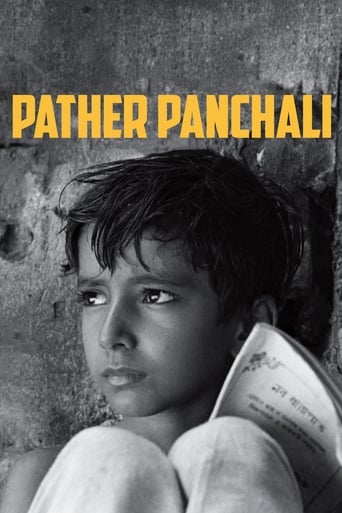
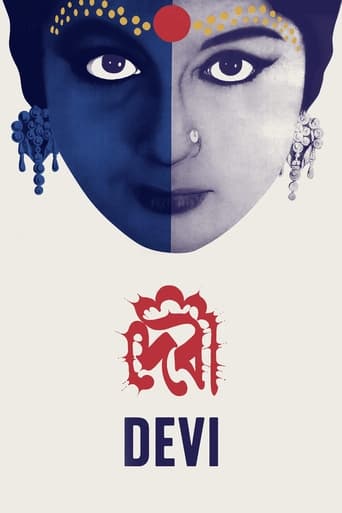
Indian actress who achieved immortal fame through her performance as Sarbajaya, the long-suffering mother, in Satyajit Ray's debut film Pather Panchali (1955). Though not a professional actress before this role, she was discovered by Ray through his wife Bijoya Ray, who was friends with Banerjee in their Kolkata social circle. Her portrayal of the rural Bengali mother struggling with poverty and family tragedy was so authentic and emotionally powerful that it established a new benchmark for realistic acting in Indian cinema. Following the international success of Pather Panchali, she appeared in Ray's Devi (1960), though in a supporting role, demonstrating her versatility as an actress. Despite her limited filmography, concentrated primarily between 1955-1960, her performances on world cinema and influenced generations of Indian actors. Her natural, understated acting style, devoid of theatrical exaggeration, became a model for parallel cinema in India. After her brief but brilliant film career, she returned to her private life, remaining a respected figure in Kolkata's cultural circles until her death in 2001.
The Craft
On Screen
Karuna Banerjee's acting style was characterized by its remarkable naturalism and emotional authenticity. She employed a minimalist approach, avoiding theatrical exaggeration and instead drawing from deep emotional reserves to convey her character's suffering and resilience. Her performance was marked by subtle facial expressions, controlled body language, and an ability to communicate complex emotions through silence and understated gestures. Ray often praised her instinctive understanding of character and her ability to inhabit roles completely, bringing lived experience to her performances rather than relying on technical acting techniques.
Milestones
- Breakthrough role as Sarbajaya in Pather Panchali (1955)
- International recognition at Cannes Film Festival 1956
- Role in Satyajit Ray's Devi (1960)
- realistic acting style in Indian cinema
- Influential performance in world cinema history
Best Known For
Iconic Roles
Must-See Films
Accolades
Won
- Best Actress Award from the Bengal Film Journalists' Association for Pather Panchali (1955)
Nominated
- International recognition at Cannes Film Festival for Pather Panchali (1956)
Special Recognition
- Featured in Satyajit Ray's documentary 'The Inner Eye' discussing acting techniques
- Honored in retrospectives of Satyajit Ray's films worldwide
- Recognized as one of Indian cinema's most influential performers
Working Relationships
Worked Often With
Studios
Why They Matter
Impact on Culture
Karuna Banerjee's performance as Sarbajaya in Pather Panchali revolutionized acting in Indian cinema, moving it away from theatrical traditions toward naturalistic, method-inspired performances. Her portrayal of the rural Bengali mother became an archetype in Indian cinema, influencing how mother characters were depicted for decades. The international success of Pather Panchali, largely carried by her powerful performance, helped establish Indian parallel cinema on the world stage and proved that Indian films could compete artistically with the best of world cinema. Her work demonstrated that non-professional actors could deliver performances of extraordinary depth and authenticity, opening doors for many future directors to cast ordinary people in meaningful roles.
Lasting Legacy
Karuna Banerjee's legacy endures through her immortal performance in Pather Panchali, which continues to be studied in film schools worldwide as a masterclass in naturalistic acting. She remains a symbol of the golden age of Indian parallel cinema and is frequently referenced in discussions about the greatest performances in film history. Her work helped establish the template for realistic acting in Indian cinema, influencing countless actors who followed. The character she created, Sarbajaya, has become a cultural touchstone representing the resilience and dignity of Indian motherhood. Film scholars and critics continue to analyze her performance for its technical brilliance and emotional depth, cementing her place as one of cinema's most important but underappreciated artists.
Who They Inspired
Karuna Banerjee influenced generations of Indian actresses by demonstrating the power of naturalistic acting and emotional authenticity. Her approach to performance, characterized by subtlety and depth, became a model for parallel cinema actors in India. Directors like Mrinal Sen, Ritwik Ghatak, and later filmmakers in the Indian New Wave were influenced by the kind of realistic performances she helped pioneer. International filmmakers studying Satyajit Ray's work often cite her performance as a key element in the film's success and as an example of how non-professional actors can create cinema of the highest artistic quality. Her influence can be seen in the work of actresses like Shabana Azmi, Smita Patil, and others who embraced realistic acting in Indian art cinema.
Off Screen
Karuna Banerjee was married and had children, which informed her authentic portrayal of motherhood in Pather Panchali. She was part of Kolkata's educated middle-class society and moved in cultural circles that included artists, writers, and intellectuals. Despite her international fame, she maintained a private life away from the film industry's glamour. She was known for her humility and continued to live a simple life in Kolkata even after her films achieved worldwide recognition. Her family was supportive of her brief film career, though she chose not to pursue acting as a long-term profession.
Education
Educated in Kolkata schools, part of educated Bengali middle class
Family
- Unknown (married name not widely documented)
Did You Know?
- She was not a professional actress when cast in Pather Panchali
- Satyajit Ray discovered her through his wife Bijoya Ray
- Her performance in Pather Panchali was largely improvised
- She was paid only a small honorarium for her role in Pather Panchali
- Despite international acclaim, she chose not to pursue acting as a career
- She continued working as a housewife after her film career
- Her son later appeared in a small role in one of Satyajit Ray's films
- She was featured in Ray's documentary about his filmmaking techniques
- International critics often compared her performance to that of Italian neorealist actresses
- She maintained correspondence with Satyajit Ray long after their films together
In Their Own Words
On her acting: 'I didn't act, I just lived the character of Sarbajaya'
On Pather Panchali: 'It wasn't a film for us, it was like documenting our own lives'
On Satyajit Ray: 'Manikda (Ray) taught me that the best acting comes from within, not from technique'
Frequently Asked Questions
Who was Karuna Banerjee?
Indian actress best known for her iconic role as Sarbajaya, the mother, in Satyajit Ray's masterpiece Pather Panchali (1955). Though not a professional actress, her naturalistic performance revolutionized Indian cinema and gained international recognition.
What films is Karuna Banerjee best known for?
Titles linked here include Pather Panchali (1955), Devi (1960).
When was Karuna Banerjee born and when did she die?
Born December 25, 1919; died November 13, 2001.
What awards did Karuna Banerjee win?
She received the Best Actress Award from the Bengal Film Journalists' Association for her performance in Pather Panchali. The film also gained international recognition at the Cannes Film Festival in 1956.
What was Karuna Banerjee's acting style?
Her acting style was characterized by remarkable naturalism and emotional authenticity. She employed a minimalist approach, avoiding theatrical exaggeration and instead drawing from deep emotional reserves to convey her character's suffering and resilience.