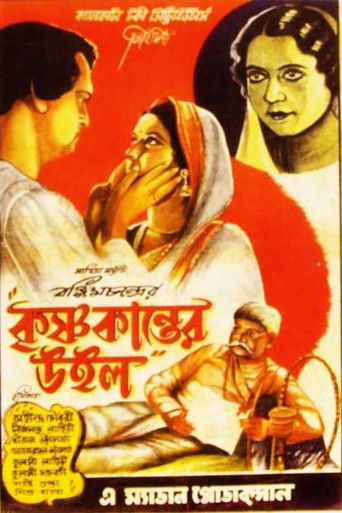
Films
1 film
About Santi Gupta
The 1932 film Krishnakanter Will is the only title linked here for Santi Gupta. a significant adaptation of Bankim Chandra Chattopadhyay's celebrated novel. This film was produced during the formative years of Indian sound cinema, when the industry was establishing new storytelling techniques and performance styles adapted for the medium of sound. Gupta's participation in this production places him among the actors of Bengali talkies, though his career appears to have been exceptionally brief, limited to this single known appearance. The film itself was notable for bringing literary classics to the screen during a period when Indian cinema was developing its artistic identity. Unfortunately, detailed documentation about actors from this early period of Indian cinema is scarce, and much of Gupta's personal history and career details remain undocumented in available historical records.
The Craft
Milestones
- Appeared in 'Krishnakanter Will' (1932), an important early Bengali talkie adaptation
Best Known For
Iconic Roles
Must-See Films
Why They Matter
Impact on Culture
Santi Gupta represents the many anonymous or little-documented actors who contributed to the foundation of Indian cinema during its crucial transition to sound. While individual actors like Gupta may not have achieved lasting fame, their participation in early landmark films like 'Krishnakanter Will' helped establish the acting traditions and techniques that would influence subsequent generations of Indian film performers. The film itself was part of the broader movement to adapt Indian literary classics to the new medium of sound cinema, helping to legitimize film as a serious artistic medium in Indian culture.
Lasting Legacy
Santi Gupta's legacy is primarily as one of the early actors in Bengali talkies during cinema's formative years in India. While his career was brief and largely undocumented, his participation in 'Krishnakanter Will' places him among the pioneers who helped establish Bengali cinema's tradition of literary adaptations. His story illustrates how many early cinema contributors have been lost to history, their roles in building film industries largely unrecorded in surviving documentation.
Who They Inspired
Given the brevity of his known career and lack of documentation about his subsequent activities, there is no available evidence of direct influence on other actors or filmmakers. However, like all early film performers, he contributed to the development of acting techniques for the new medium of sound cinema in India.
Off Screen
Very little is documented about Santi Gupta's personal life, which is common for actors from the early era of Indian cinema, especially those with brief careers. Historical records from this period are often incomplete, particularly for supporting actors who did not achieve lasting fame.
Did You Know?
- Appeared in 'Krishnakanter Will' during the very early years of Indian sound cinema (only 5 years after the first Indian talkie 'Alam Ara' in 1931)
- The film was based on a novel by Bankim Chandra Chattopadhyay, one of Bengal's most celebrated literary figures
- 1932 was a pivotal year for Bengali cinema, with the industry transitioning from silent films to talkies
- Many actors from this early period of Indian cinema have incomplete or missing biographical records
- The film 'Krishnakanter Will' was part of the early trend of adapting Bengali literary classics for the screen
Frequently Asked Questions
Who was Santi Gupta?
Screen credits include the 1932 Bengali film 'Krishnakanter Will'. His career appears to have been brief, with this being his only known film appearance during the early years of Indian talkies.
What films is Santi Gupta best known for?
Titles linked here include Krishnakanter Will (1932).
When was Santi Gupta born and when did they die?
Unfortunately, there are no available records of Santi Gupta's birth or death dates. This lack of biographical information is common for many actors from the very early period of Indian cinema, especially those with brief careers.
What awards did Santi Gupta win?
There are no records of Santi Gupta receiving any awards or nominations. The film award system in India was not well-established during the early 1930s, and many actors from this period received no formal recognition.
What was Santi Gupta's acting style?
There is no documented information about Santi Gupta's specific acting style. Actors during the early talkie period in India were often still transitioning from silent film techniques to the new requirements of sound cinema.
Why is so little known about Santi Gupta?
The scarcity of information about Santi Gupta is typical of many early Indian cinema actors, particularly those with brief careers. Historical documentation from the 1930s was often incomplete, and many records from this period have been lost or were never formally maintained.