Films
2 films
About Wayne Arey
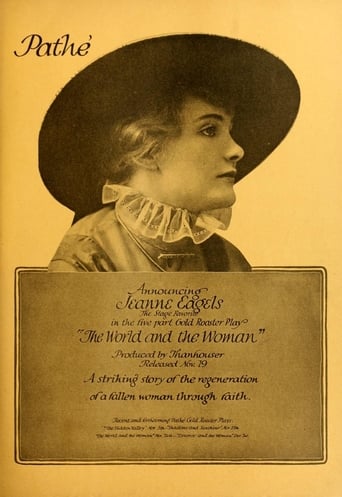
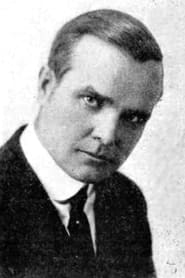
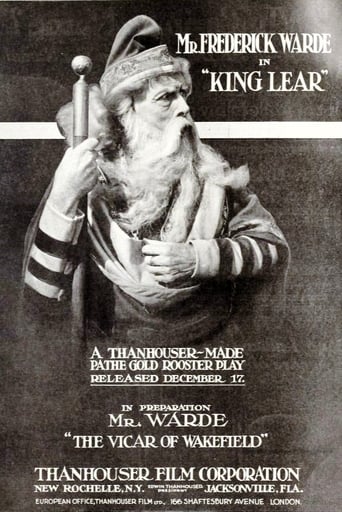
American actor during the silent film era, with a brief but notable career in 1916. Wayne appears in two significant films that year: 'The World and the Woman,' starring the Theda Bara, and an adaptation of Shakespeare's 'King Lear.' Like many actors of the early silent period, Arey's career was short-lived, possibly due to the transitional nature of the film industry during its formative years. His performances, while not extensively documented, were part of the growing American film landscape that was establishing itself as a serious artistic medium. The fact that he worked with major productions suggests he was a competent actor within the studio system of the time. Unfortunately, like many supporting actors from this era, much of his personal history and career details have been lost to time.
The Craft
Milestones
- Appeared in 'The World and the Woman' (1916)
- Appeared in 'King Lear' (1916)
Best Known For
Must-See Films
Why They Matter
Impact on Culture
Wayne Arey represents the countless supporting actors who contributed to the foundation of American cinema during its silent era. Though his filmography was brief, his participation in notable productions like 'The World and the Woman' alongside Theda Bara places him within the context of early Hollywood's star system. Actors like Arey were essential to the development of film as an art form, providing the ensemble work that allowed major stars to shine. His career exemplifies the transient nature of early film careers, where many actors appeared in only a handful of films before disappearing from historical records. These forgotten performers were the backbone of the burgeoning film industry, helping establish the techniques and conventions that would define cinema for decades to come.
Lasting Legacy
Wayne Arey's legacy is that of a typical supporting actor from the silent era whose contributions, while significant in their time, have been largely lost to film history. His appearances in two 1916 films place him among the pioneers of American cinema, working during a period when the medium was still establishing its artistic and commercial foundations. Like many actors of his generation, he represents the anonymous labor that went into creating the films that would define early Hollywood. While his name may not be remembered today, his work contributed to the films that have survived as important examples of silent cinema. His career serves as a reminder of the thousands of performers who helped build the film industry but whose names have faded from public memory.
Who They Inspired
As a brief-career supporting actor from the silent era, Wayne Arey's direct influence on subsequent generations of performers is difficult to trace. However, like all actors working during this foundational period, he contributed to the development of screen acting techniques that would evolve throughout the 20th century. His participation in early adaptations of literary works like 'King Lear' helped establish conventions for bringing classical theater to the screen. The collective work of actors like Arey during this era influenced how future generations would approach film performance, particularly in ensemble pieces and literary adaptations. While individual influence cannot be documented, his contribution to the early film ecosystem was part of the broader evolution of cinematic acting.
Did You Know?
- Wayne Arey's entire known filmography consists of just two films, both released in 1916
- He appeared in 'The World and the Woman' starring Theda Bara, one of the era's biggest stars
- His other film was an adaptation of Shakespeare's 'King Lear' during the early period of literary adaptations
- Like many silent era actors, his career appears to have been very brief, possibly just one year
- No personal biographical information about Wayne Arey appears to have survived in film archives
- His career coincided with the early years of feature-length filmmaking in America
- The fact that he appeared in two different types of films (a star vehicle and a literary adaptation) suggests versatility
- His disappearance from film records after 1916 was common for many supporting actors of the period
Frequently Asked Questions
Who was Wayne Arey?
American with credits in this catalog.' Like many supporting actors from this period, little is known about his personal life or career beyond these film credits.
What films is Wayne Arey best known for?
Titles linked here include The World and the Woman (1916), King Lear (1916).
When was Wayne Arey born and when did he die?
Unfortunately, specific birth and death dates for Wayne Arey are not available in historical records. This is common for many supporting actors from the silent era whose personal details were not extensively documented.
What awards did Wayne Arey win?
There are no recorded awards or nominations for Wayne Arey. During the early silent film era of 1916, the major award systems like the Academy Awards had not yet been established, and recognition for supporting actors was minimal.
What was Wayne Arey's acting style?
Specific details about Wayne Arey's acting style are not documented in available historical records. As a silent era actor, he would have used the exaggerated gestures and facial expressions typical of the period to convey emotion to audiences without dialogue.
Why is so little known about Wayne Arey?
The scarcity of information about Wayne Arey is typical of many supporting actors from the silent era. Film studios at the time focused publicity on major stars, while supporting players often went undocumented in press materials and their personal details were not preserved in historical archives.