

Films
2 films
About Page Peters
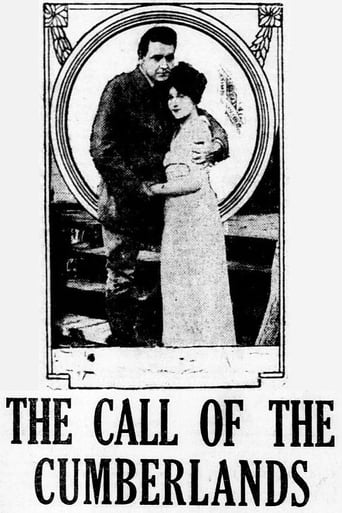
Page Peters appears in The Captive (1915), The Call of the Cumberlands (1916) in this catalog. With an exceptionally brief career spanning only 1915-1916. He was active cinema history when the film industry was transitioning from short subjects to feature-length productions. Peters appeared in at least two films during his career, working in the burgeoning Hollywood studio system of the mid-1910s. His filmography includes 'The Captive' (1915) and 'The Call of the Cumberlands' (1916), both productions from the early feature film period. Like many actors from this era, his career was likely cut short by various factors including the evolving nature of the film industry, the challenges of sustaining a career in silent cinema, or possibly personal circumstances. The limited documentation of his work is typical of many supporting actors from this period who did not achieve lasting fame or transition successfully into later eras of filmmaking.
The Craft
Milestones
- Appeared in 'The Captive' (1915)
- Appeared in 'The Call of the Cumberlands' (1916)
Best Known For
Must-See Films
Why They Matter
Impact on Culture
Page Peters' cultural impact was minimal due to his extremely brief career in the early silent film era. As an actor who appeared in only a handful of films during 1915-1916, his contribution to cinema was limited to his roles in these early productions. His work, however, represents the broader landscape of the American film industry during its formative years, when countless actors contributed to the development of narrative cinema without achieving lasting recognition. Like many of his contemporaries, Peters was part of the foundation upon which the Hollywood studio system would be built, even if his individual contributions have been largely forgotten by film history.
Lasting Legacy
Page Peters' legacy is primarily that of a representative example of the many actors who passed through the early film industry without achieving lasting fame. His brief filmography serves as a reminder of the transient nature of early Hollywood careers and the thousands of performers who contributed to cinema's development during its nascent years. The limited documentation of his work highlights the challenges of film preservation and historical research for the silent era, particularly for actors who did not become stars. His story illustrates how the film industry of the 1910s was constantly evolving, with many actors unable to sustain careers through the rapid changes that would define the coming decades of cinema.
Who They Inspired
Given his brief career and limited filmography, Page Peters did not have a significant influence on other actors or directors. His work, like that of many supporting actors from the early silent period, was likely overshadowed by the more prominent stars of the era. The lack of extensive documentation about his career makes it difficult to assess any potential impact he may have had on his contemporaries or on the development of acting techniques during this formative period of cinema.
Off Screen
Very little information is available about Page Peters' personal life, which is typical for many actors who had brief careers in the early silent film era. The limited documentation of his career and personal details reflects the challenges of historical research for supporting actors from this period.
Did You Know?
- Page Peters had an extremely brief career spanning only 1915-1916
- He appeared during the early feature film period when Hollywood was transitioning to longer narratives
- Like many silent era actors, extensive documentation about his life and career has been lost to time
- His filmography consists of at least two films from the mid-1910s
- He represents the thousands of actors who contributed to early cinema without achieving lasting fame
- The scarcity of information about him is typical for supporting actors from this period
- His career ended before the Hollywood studio system was fully established
- He worked during a time when film acting was still developing as a profession
Frequently Asked Questions
Who was Page Peters?
Screen credits include silent films during the mid-1910s, with a very brief career spanning only 1915-1916. He is known for appearing in 'The Captive' (1915) and 'The Call of the Cumberlands' (1916).
What films is Page Peters best known for?
Titles linked here include The Captive (1915), The Call of the Cumberlands (1916).
When was Page Peters born and when did he die?
Unfortunately, specific birth and death dates for Page Peters are not available in historical records, which is common for actors who had brief careers in the early silent film era.
What awards did Page Peters win?
Page Peters did not receive any known awards or nominations during his brief film career. This is typical for supporting actors from the early silent period who were not major stars.
What was Page Peters' acting style?
Specific details about Page Peters' acting style are not documented, which is common for actors with very limited filmographies from the silent era. He would have worked within the conventions of early silent film acting techniques.
Why was Page Peters' career so short?
The reasons for Page Peters' brief two-year career are not documented, but many factors could have contributed, including the competitive nature of early Hollywood, the evolving industry, or personal circumstances. This was not uncommon for actors during this transitional period in cinema history.