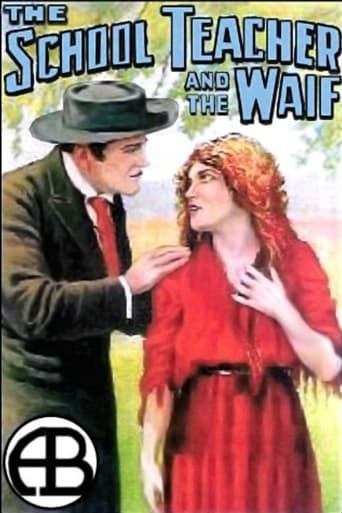
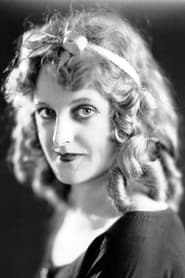
Born: March 17, 1896 in New York City, New York, USADied: September 3, 1981Active: 1912-1923Birth Name: Ella Margaret Hall
About Ella Hall
Ella Margaret Hall was a prominent American actress of the silent film era who began her career as a teenager in the early 1910s. Discovered by pioneering director Thomas H. Ince, she quickly rose to become one of the more recognizable faces in Hollywood during the 1910s, appearing in over 70 films throughout her career. Hall specialized in melodramas and westerns, often portraying the romantic lead or virtuous heroine opposite leading men of the day. She married fellow actor Emory Johnson in 1914, and the couple became one of Hollywood's early power couples, frequently collaborating on films both before and after their marriage. Hall's career peaked in the late 1910s when she was starring in multiple films per year for major studios like Universal and Fox. After appearing in her final film in 1923, she made the conscious decision to retire from acting to focus on raising her family, a common choice for women in the industry during that era. Her legacy continued through her children, several of whom followed in their parents' footsteps to become actors in subsequent decades.
The Craft
On Screen
Ella Hall was known for her naturalistic acting style that was ahead of its time in the silent era. She possessed a delicate screen presence with expressive eyes that could convey deep emotion without the need for exaggerated gestures common in early silent films. Her performances were characterized by a subtle authenticity that made her particularly effective in melodramatic roles, where she could portray both vulnerability and strength. Hall had a special talent for playing the virtuous heroine who faced moral dilemmas, bringing depth to characters that could easily have been one-dimensional. Her chemistry with leading men, particularly her husband Emory Johnson, was noted by critics and audiences alike, making their on-screen romances particularly believable.
Milestones
Discovered by Thomas H. Ince in 1912
Married actor Emory Johnson in 1914
Starred in over 70 silent films
Appeared in 'The Third Alarm' (1922)
Retired from acting in 1923 to focus on family
Best Known For
Iconic Roles
The virtuous heroine in melodramas
Romantic leads in westerns
The damsel in distress in adventure films
Must-See Films
The Third Alarm
1922
The Lion's Claws
1918
The Girl Dodger
1919
The Man Who Turned White
1919
The Great Reward
1921
awards
nominations
honors
Star on the Hollywood Walk of Fame (for her contribution to motion pictures)
personalLife
Ella Hall married actor Emory Johnson on June 30, 1914, in a ceremony that was widely covered by the film industry press. The couple had four children together: Richard Emory, Barbara Ann, and Ellen Hall, all of whom pursued careers in acting. Their marriage ended in divorce in 1927, which was considered scandalous at the time. Hall never remarried and devoted herself to raising her children and supporting their entertainment careers. She maintained a relatively private life after retiring from films, occasionally appearing at Hollywood reunions and events celebrating silent cinema. In her later years, she lived in Los Angeles and remained connected to the film community through her children's careers.
spouses
Emory Johnson (1914-1927)
children
Richard Emory (1919-1994) - became an actor,Barbara Ann Johnson - became an actress,Ellen Hall (1923-1999) - became a prominent actress,Fourth child (name not widely documented)
education
Limited formal education; began acting career as a teenager after being discovered by Thomas H. Ince
studioAffiliations
Ince Studio,Universal Pictures,Fox Film Corporation,Vitagraph Studios
frequentCollaborators
Emory Johnson (husband and frequent co-star),Thomas H. Ince (director who discovered her),Francis Ford (director),Grace Cunard (actress)
mentors
Thomas H. Ince (who discovered and guided her early career)
protégés
Her children, particularly Ellen Hall, who followed her into acting
culturalImpact
Ella Hall represents the transitional era of Hollywood when the film industry was evolving from nickelodeon productions to major studio productions. As one of the early actresses to achieve stardom through the studio system, she helped establish patterns for how actresses could build sustainable careers in the new medium. Her decision to retire at the height of her popularity to focus on family reflected the societal expectations placed on women in the 1920s, even as they were achieving new levels of professional success. Hall's work in melodramas and westerns contributed to the development of these genres, which would become staples of American cinema. Her marriage to Emory Johnson was one of the early examples of Hollywood power couples, setting a precedent for the industry's fascination with off-screen romances between stars.
legacy
Ella Hall's legacy lives on through her extensive body of work in silent cinema, with over 70 films that provide valuable insight into early American filmmaking techniques and storytelling. While many of her films have been lost to time, those that survive demonstrate the evolution of film acting from theatrical styles to more naturalistic performances. Her influence extends through her children, particularly daughter Ellen Hall, who had a successful career in films and television spanning several decades. Hall is remembered by film historians as an example of the many talented actresses who helped build Hollywood but whose names are often overlooked in favor of more famous contemporaries. Her story also illustrates the challenges faced by women in early Hollywood who had to balance career ambitions with societal expectations about marriage and family.
influence
Ella Hall influenced subsequent generations of actors through her more naturalistic acting style, which moved away from the exaggerated gestures common in early silent films. Her ability to convey emotion through subtle facial expressions and body language helped pave the way for more sophisticated screen acting techniques that would become standard as cinema evolved. Through her children, particularly Ellen Hall, her influence extended into the sound era and television age. Hall's career trajectory also influenced how later actresses approached the balance between professional success and personal life, with her choice to retire for family becoming a model for some performers in subsequent decades. Her work in genre films, particularly westerns, helped establish character archetypes that would be used and refined by later actresses in similar roles.
trivia
Appeared in over 70 films during her 11-year career,Was discovered by legendary director Thomas H. Ince while still a teenager,Her marriage to Emory Johnson was considered one of Hollywood's most stable until their divorce in 1927,Three of her four children became professional actors,Made the transition from short films to feature-length movies as the industry evolved,Often worked with her husband both before and after their marriage,Was one of the few actresses of her era to retire voluntarily at the height of her popularity,Her daughter Ellen Hall appeared in over 60 films and TV shows throughout her career,Many of her silent films have been lost, making surviving examples particularly valuable to film historians,She was part of the generation of actors who successfully transitioned from the one-reel era to feature films
famousQuotes
I found my greatest happiness not on the silver screen, but in the quiet moments with my family,The camera doesn't lie, but it also doesn't tell the whole story of what it takes to be an actress,Leaving pictures was not an end but a beginning - the beginning of my real life
controversies
Her 1927 divorce from Emory Johnson was considered scandalous in Hollywood at a time when celebrity divorces were rare and heavily scrutinized by the press and public. The divorce proceedings received extensive coverage in film industry publications, with speculation about the reasons for the split.