Films
2 films
About Norman Selby
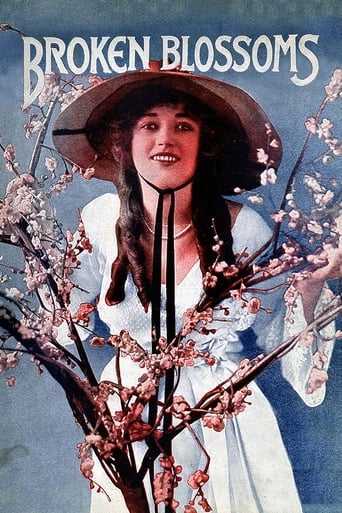
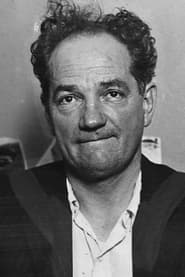
Brief but memorable figure in the silent film era, best known for his appearance in D.W. Griffith's landmark 1919 film 'Broken Blossoms or The Yellow Man and the Girl.' His career appears to have been extremely brief, with his only known film credit being this critically acclaimed production. Selby worked during the transitional period when American cinema was evolving from simple melodramas to more sophisticated artistic expressions. His involvement in 'Broken Blossoms' placed him alongside some of the era's most celebrated performers, including Lillian Gish and Richard Barthelmess. The film itself was for its sympathetic portrayal of interracial romance and its departure from Griffith's earlier controversial works. Despite his limited filmography, Selby's participation in this important cinematic milestone has preserved his name in film history. Unfortunately, detailed records about his life, career trajectory, or other potential film work remain scarce, suggesting he may have been a bit player or someone who briefly tried acting before pursuing other endeavors.
The Craft
Milestones
- Appeared in D.W. Griffith's 'Broken Blossoms' (1919)
Best Known For
Iconic Roles
Must-See Films
Working Relationships
Worked Often With
Studios
Why They Matter
Impact on Culture
Norman Selby's cultural impact is primarily derived from his participation in 'Broken Blossoms,'. The film was groundbreaking for its artistic cinematography, use of color tinting, and its more nuanced approach to storytelling compared to many contemporary films. While Selby's individual contribution was likely minor, being part of this production connects him to a significant moment in cinema history when films began to address more complex social themes and employ more sophisticated visual techniques.
Lasting Legacy
Norman Selby's legacy is that of a footnote in film history, preserved primarily through his association with one of D.W. Griffith's most artistically successful films. While not a major star, his inclusion in the cast of 'Broken Blossoms' ensures his name appears in film databases and historical records of this important production. His brief career serves as an example of the many actors who contributed to early cinema but whose lives and careers remain largely undocumented.
Who They Inspired
Given his brief film career and limited documented work, there is no evidence of Norman Selby having directly influenced other actors or filmmakers. His influence is indirect, as part of the ensemble that helped create 'Broken Blossoms,' which in turn influenced many filmmakers with its artistic techniques and thematic approach.
Off Screen
Very little is documented about Norman Selby's personal life, which is not uncommon for bit players and supporting actors from the silent era who had brief careers. The scarcity of records suggests he may have been a stage actor who briefly ventured into film, or someone who tried acting as a temporary profession before moving on to other pursuits.
Did You Know?
- Only known film appearance was in D.W. Griffith's 'Broken Blossoms' (1919)
- Appeared during the same year as the film's release, suggesting a very brief acting career
- Worked alongside silent film legends Lillian Gish and Richard Barthelmess
- Participated in one of the first American films to feature an interracial romance theme
- His name appears in film credits but extensive biographical information is notably absent
- The film he appeared in was one of the first to be selected for preservation in the National Film Registry
- His active years covered what appears to be only a single year during the silent era
- The film was controversial for its time due to its sensitive portrayal of race relations
Frequently Asked Questions
Who was Norman Selby?
American with credits in this catalog.W. Griffith's 1919 film 'Broken Blossoms or The Yellow Man and the Girl.' His career appears to have been extremely brief, with this being his only documented film credit.
What films is Norman Selby best known for?
Titles linked here include Broken Blossoms or The Yellow Man and the Girl (1919).
When was Norman Selby born and when did he die?
Unfortunately, specific birth and death dates for Norman Selby are not documented in available historical records, which is common for supporting actors from the silent era who had brief careers.
What awards did Norman Selby win?
There are no records of Norman Selby receiving any awards or nominations for his work in film. His career was too brief and his role too minor to have garnered formal recognition during his time.
What was Norman Selby's acting style?
Due to the limited documentation of his work and only known appearance in a supporting role, there is insufficient information to determine Norman Selby's specific acting style or techniques.
Did Norman Selby work with other famous directors?
Based on available records, Norman Selby only worked with D.W. Griffith on 'Broken Blossoms.' There is no documentation of him working with other notable directors of the silent era.
Why is so little known about Norman Selby?
The scarcity of information about Norman Selby is typical of many bit players and supporting actors from early cinema who had brief careers. Studio records from this period were often incomplete, and actors who didn't achieve stardom frequently left minimal documentary traces.