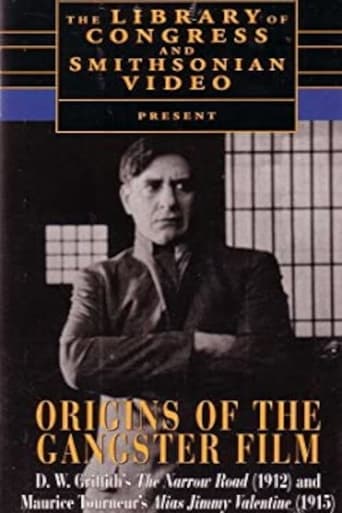
Thomas Mott Osborne
Actor
Born: September 23, 1859 in Auburn, New York, United States Died: October 24, 1926 Active: 1915-1915
Films
1 film
About Thomas Mott Osborne
Thomas Mott Osborne was primarily known as a progressive prison reformer rather than a professional actor, though he made a notable appearance in the 1915 silent film 'Alias Jimmy Valentine.' Born into a wealthy New York family, Osborne served as mayor of Auburn, New York, and later gained national attention for his innovative approaches to prison management. His brief foray into cinema coincided with the height of his fame as a reformer, when he allowed film crews to document his prison experiments. The appearance in 'Alias Jimmy Valentine' likely capitalized on his celebrity status as the man who transformed prison administration. Beyond his single film credit, Osborne's legacy rests on his work in penology, including the establishment of self-governing prison systems based on mutual responsibility. His cinematic appearance represents an interesting intersection between early film and social reform movements of the Progressive Era.
The Craft
On Screen
Non-professional appearance, likely portraying himself or a character related to his prison reform work
Milestones
- Served as Mayor of Auburn, New York (1903-1904)
- Appointed warden of Sing Sing Prison (1914)
- Established the Mutual Welfare League prison system
- Appeared in 'Alias Jimmy Valentine' (1915)
- Authored several books on prison reform including 'Society and Prisons'
Best Known For
Iconic Roles
Must-See Films
Accolades
Special Recognition
- Honorary degrees from multiple universities
- Recognized as pioneer in modern penology
Working Relationships
Worked Often With
Studios
Why They Matter
Impact on Culture
Thomas Mott Osborne's appearance in cinema represents an early example of how film was used to document and promote social reform movements. His participation in 'Alias Jimmy Valentine' brought national attention to prison reform issues during a time when cinema was emerging as a powerful medium for social commentary. The film itself, dealing with themes of criminal rehabilitation and redemption, aligned perfectly with Osborne's real-life work in transforming prison systems. His brief cinematic career helped bridge the gap between academic reform movements and popular culture, making prison reform accessible to mainstream audiences through the emerging medium of film.
Lasting Legacy
While not remembered as a significant figure in cinema history, Thomas Mott Osborne's legacy in American social reform is substantial. His innovative prison management techniques, including the Mutual Welfare League system, influenced correctional facilities nationwide for decades. The film appearance serves as a historical footnote documenting how Progressive Era reformers utilized new media to advance their causes. Modern penology still references Osborne's work as foundational in the movement toward rehabilitative rather than purely punitive prison systems. His brief foray into filmmaking demonstrates the early connections between social activism and entertainment media.
Who They Inspired
Osborne influenced subsequent generations of prison reformers and criminologists who built upon his theories of self-governance and rehabilitation in correctional facilities. His methods were studied and adapted internationally, affecting prison systems in Europe and beyond. The documentation of his work through film helped establish a precedent for using visual media to promote social reform causes. Later reformers would similarly use film and television to bring attention to criminal justice issues, following Osborne's early example of bridging reform work with popular media.
Off Screen
Thomas Mott Osborne came from a prominent and wealthy New York family with deep roots in business and philanthropy. He married Agnes Devens in 1883, and they had several children together. Despite his privileged background, Osborne was deeply committed to social reform and spent much of his life working to improve prison conditions. His family life was marked by both privilege and tragedy, as he dealt with personal losses while pursuing his reform agenda. His wealth allowed him to fund many of his experimental projects independently.
Education
Harvard University (graduated 1884)
Family
- Agnes Devens (1883-1926, until his death)
Did You Know?
- Was not a professional actor but appeared in film due to his fame as a prison reformer
- His prison reform experiments were considered radical for their time
- Once spent a week in Auburn Prison as an inmate to understand conditions firsthand
- Was nicknamed 'Tommy' by the prisoners he worked with
- His reform methods were sometimes controversial and faced opposition from traditional prison officials
- The Mutual Welfare League system he created allowed prisoners to govern themselves
- His wealth allowed him to fund reform projects without government assistance
- Was a member of the prominent Osborne family of Auburn, New York
- Served in the New York State Senate before focusing on prison reform
- His prison reform work attracted national media attention and celebrity status
In Their Own Words
A prison should be a place where a man can learn to be a man, not where he learns to be a better criminal.
The best way to reform a man is to treat him like a man, not like an animal.
Self-government is the only lasting form of government, even in prison.
We must make the prison a school of citizenship, not a school of crime.
Frequently Asked Questions
Who was Thomas Mott Osborne?
Thomas Mott Osborne was primarily known as a progressive prison reformer and politician from New York who gained national attention for his innovative approaches to prison management. While he made one film appearance in 'Alias Jimmy Valentine' (1915), his main legacy comes from his work in penology and establishing self-governing prison systems.
What films is Thomas Mott Osborne best known for?
Titles linked here include Alias Jimmy Valentine (1915).
When was Thomas Mott Osborne born and when did he die?
Born September 23, 1859; died October 24, 1926.
What awards did Thomas Mott Osborne win?
Thomas Mott Osborne did not receive traditional entertainment industry awards, but he was recognized with honorary degrees from multiple universities and is remembered as a pioneer in modern penology and prison reform.
What was Thomas Mott Osborne's acting style?
Osborne was not a professional actor and his appearance in 'Alias Jimmy Valentine' was non-professional. He likely portrayed himself or a character related to his prison reform work, bringing authenticity rather than theatrical technique to his role.