Films
1 film
About Samuel Morgan
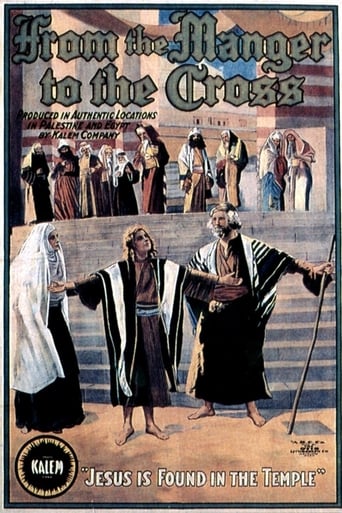
Samuel Morgan worked on one surviving credit: From the Manger to the Cross (1912). Morgan's performance was part of director Sidney Olcott's ambitious project to film the life of Christ on actual locations in the Holy Land, a revolutionary approach for the time. Despite the historical significance of the film, Morgan's career appears to have been brief, with no other known film credits documented in film archives. His contribution to this important early cinematic work places him among the actors who helped establish the dramatic conventions of silent film performance, particularly in religious and epic subjects. The film itself was praised for its authenticity and visual grandeur, making Morgan's Judas part of cinema's early attempts at biblical storytelling.
The Craft
Milestones
- Portrayed Judas Iscariot in 'From the Manger to the Cross' (1912)
Best Known For
Iconic Roles
Must-See Films
Working Relationships
Worked Often With
Studios
Why They Matter
Impact on Culture
Samuel Morgan's contribution to cinema, while limited to a single role, is significant due to his participation in. 'From the Manger to the Cross' was groundbreaking in its approach to biblical storytelling, being one of the first feature-length films about Christ's life and notable for its on-location filming in the Holy Land. Morgan's portrayal of Judas Iscariot contributed to establishing the visual and dramatic language that would influence countless biblical epics that followed. The film was a commercial success and was even praised by religious leaders for its respectful treatment of sacred material, helping to legitimize cinema as a medium for serious religious content.
Lasting Legacy
Samuel Morgan's legacy is preserved through his role in 'From the Manger to the Cross,' which remains an important artifact of early cinema history. The film is studied by film historians for its innovative techniques and its role in establishing the biblical epic genre. While Morgan himself may be largely forgotten, his performance as Judas is part of a film that helped demonstrate cinema's potential for serious artistic and religious expression. The movie's survival and preservation ensure that Morgan's contribution to early film history remains accessible to scholars and classic film enthusiasts.
Who They Inspired
As an actor from the very early silent era, Samuel Morgan's direct influence on subsequent performers is difficult to trace, given his brief filmography. However, his work in 'From the Manger to the Cross' contributed to the development of acting styles for biblical and epic films that would evolve throughout the silent era and beyond. The film's success helped pave the way for more ambitious religious productions, creating opportunities for actors to tackle complex biblical roles.
Off Screen
Very little is known about Samuel Morgan's personal life, which is common for many actors from the earliest days of cinema. Historical records from this period are often incomplete, particularly for performers who had brief careers in the rapidly evolving film industry of the 1910s.
Did You Know?
- 'From the Manger to the Cross' was filmed on location in Egypt and Palestine, making it one of the first American films to shoot internationally
- The film was a commercial success and was re-released multiple times in the 1910s and 1920s
- The Kalem Company invested approximately $35,000 in the production, a substantial sum for 1912
- Director Sidney Olcott and his crew were the first to receive permission from Turkish authorities to film in Jerusalem
- The film ran for five reels, making it a feature-length production at a time when most films were one or two reels
- The movie was so well-received that Pope Pius X reportedly gave it his blessing
- Samuel Morgan's role as Judas was particularly significant given the controversial nature of portraying this biblical figure
- The film's authenticity was enhanced by using local people as extras and filming actual locations mentioned in the Bible
Frequently Asked Questions
Who was Samuel Morgan?
American with credits in this catalog.' His career appears to have been brief, with this being his only known film credit.
What films is Samuel Morgan best known for?
Titles linked here include From the Manger to the Cross (1912).
When was Samuel Morgan born and when did he die?
Unfortunately, specific birth and death dates for Samuel Morgan are not available in historical records, which is common for many early silent film actors with brief careers.
What awards did Samuel Morgan win?
Samuel Morgan did not receive any known awards or nominations, as the Academy Awards were not established until 1929, well after his brief acting career.
What was Samuel Morgan's acting style?
Specific details about Samuel Morgan's acting style are not documented, but as a silent film actor in 1912, he would have used the exaggerated gestures and facial expressions typical of the period to convey emotion without dialogue.