Films
1 film
About George Kellog
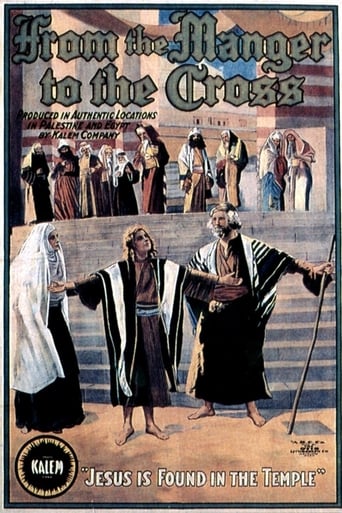
Actor during the silent film era, known primarily for his appearance in the 1912 religious epic 'From the Manger to the Cross.' This film was for its time, being one of the first feature-length American films and notable for being shot on location in the Holy Land. Kellog's career appears to have been extremely brief, with documented work limited to this single production in 1912. Like many actors from the very early days of cinema, detailed records of his life and career are scarce, which was common for performers who may have had minor roles or brief forays into the new medium of motion pictures. The film itself was a significant achievement in early cinema, directed by Sidney Olcott for the Kalem Company, and told the story of Jesus Christ's life from birth to crucifixion. Kellog was part of a cast and crew that undertook the ambitious journey to film in authentic locations in Egypt and Palestine, a remarkable feat for 1912. His participation in this work places him among the early actors who helped establish the foundation of the film industry.
The Craft
Milestones
- Appeared in 'From the Manger to the Cross' (1912), one of the first American feature films shot on location
Best Known For
Must-See Films
Working Relationships
Worked Often With
Studios
Why They Matter
Impact on Culture
George Kellog's contribution to cinema, while limited to a single known film, places him among the pioneers of the motion picture industry. His participation in 'From the Manger to the Cross' connects him to. The film's success and technical achievements, including its on-location shooting in the Holy Land, helped establish precedents that would influence future biblical and historical epics. Though his role may have been minor, Kellog was part of a production that pushed the boundaries of what was possible in early cinema, contributing to the medium's evolution from simple novelty to serious art form.
Lasting Legacy
George Kellog's legacy is tied to his participation in a landmark early film that has survived as an important artifact of cinema history. 'From the Manger to the Cross' has been preserved by the Library of Congress and recognized for its cultural and historical significance. While Kellog himself remains an obscure figure from the silent era, his connection to this work ensures his place in the annals of early American cinema, however small. The film continues to be studied by film historians and scholars interested in the development of cinema as an art form and the evolution of religious filmmaking.
Who They Inspired
As an actor with such a brief documented career, George Kellog's direct influence on other performers or filmmakers is difficult to trace. However, his participation in an innovative early production contributed to the collective effort that established filmmaking as a legitimate artistic medium. The success of films like 'From the Manger to the Cross' helped create opportunities for future actors in the growing film industry, even if individual performers like Kellog did not achieve lasting fame.
Off Screen
Very little is documented about George Kellog's personal life, which is typical of many actors from the earliest days of cinema who had brief or minor careers in the industry.
Did You Know?
- 'From the Manger to the Cross' was one of the first American feature films, running 71 minutes
- The film was shot entirely on location in Egypt and Palestine, a revolutionary approach for 1912
- Director Sidney Olcott and his crew were the first Americans to receive permission to film at the actual holy sites
- The film was a commercial success and was praised for its authenticity and reverent treatment of religious material
- In 1998, 'From the Manger to the Cross' was selected for preservation in the National Film Registry
- The Kalem Company, which produced the film, was one of the early motion picture studios
- Many cast and crew members contracted illnesses during the difficult location shoot in the Middle East
- The film was re-released in 1916 with additional footage to capitalize on its continued popularity
Frequently Asked Questions
Who was George Kellog?
with credits in this catalog.' His documented career appears to have been limited to this single film, making him one of many obscure figures from early cinema.
What films is George Kellog best known for?
Titles linked here include From the Manger to the Cross (1912).
When was George Kellog born and when did he die?
Unfortunately, specific birth and death dates for George Kellog are not documented in historical records, which is common for many actors who had brief careers in the earliest days of cinema.
What awards did George Kellog win?
There are no documented awards or honors received by George Kellog, which reflects both the brief nature of his career and the fact that formal award systems for cinema were not yet established in 1912.
What was George Kellog's acting style?
No specific information about George Kellog's acting style has been preserved in historical records. As with many early film actors, detailed documentation of individual performances and techniques is scarce.
Why is 'From the Manger to the Cross' historically significant?
The film is historically significant as one of the first American feature-length films and for its revolutionary on-location shooting in Egypt and Palestine. It demonstrated cinema's potential for epic storytelling and was selected for preservation in the National Film Registry in 1998.