Films
1 film
About Erik Stocklassa
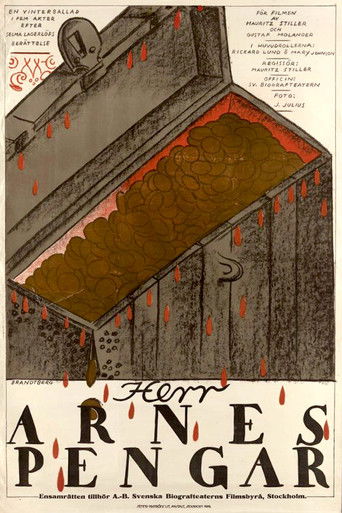
Swedish actor who had a brief but notable appearance during the golden age of Swedish silent cinema. His sole known film credit was in Mauritz Stiller's acclaimed 1919 adaptation of Selma Lagerlöf's novel 'Sir Arne's Treasure' (Herr Arnes pengar). This film was Swedish silent films of its era — known for its atmospheric cinematography and dramatic storytelling. Stocklassa appeared in this production during a period when Swedish cinema was experiencing its first international recognition. Unfortunately, like many supporting actors from early cinema, detailed records of his life and career are scarce. His participation in this landmark film places him within the important circle of early Swedish filmmakers who helped establish their nation's cinematic reputation before many of them, including director Mauritz Stiller and star Victor Sjöström, eventually moved to Hollywood.
The Craft
Milestones
- Appeared in Mauritz Stiller's acclaimed 'Sir Arne's Treasure' (1919)
Best Known For
Iconic Roles
Must-See Films
Working Relationships
Worked Often With
Studios
Why They Matter
Impact on Culture
Erik Stocklassa's contribution to cinema, while minimal in scope, is part of the broader tapestry of Sweden's golden age of silent film. His participation in 'Sir Arne's Treasure' connects him to. The film itself was groundbreaking for its time, featuring innovative cinematography by Julius Jaenzon and powerful direction by Mauritz Stiller, who would later influence Hollywood directors. Though Stocklassa was not a major figure, his role represents the many dedicated actors who contributed to cinema's artistic development during its formative years.
Lasting Legacy
Erik Stocklassa's legacy is primarily preserved through his association with 'Sir Arne's Treasure,' a film that remains an important artifact of silent cinema history. While he did not achieve lasting fame as an individual performer, his contribution to this significant work ensures his place in the historical record of Swedish cinema. The film continues to be studied by film historians and screened at classic cinema festivals, keeping alive the memory of all who participated in its creation, including supporting actors like Stocklassa.
Who They Inspired
As a minor actor from the silent era, Erik Stocklassa did not have a documented influence on subsequent generations of performers. However, his participation in a film that influenced the development of cinematic storytelling techniques means he was part of an artistic movement that would shape the future of filmmaking, particularly in the realm of atmospheric visual storytelling.
Off Screen
Very little is known about Erik Stocklassa's personal life, as was common for many supporting actors from the silent era who did not achieve lasting fame. Historical records from early Swedish cinema are incomplete, particularly for actors who had brief careers or minor roles.
Did You Know?
- Appeared in only one known film throughout his entire career
- Worked with acclaimed director Mauritz Stiller, who later mentored Greta Garbo
- Participated in an adaptation of Nobel Prize winner Selma Lagerlöf's work
- His film 'Sir Arne's Treasure' was
- The film he appeared in was instrumental in establishing Sweden's international film reputation
- Like many silent era actors, his career ended before the transition to sound films
- His film was shot during winter to capture the stark, atmospheric Nordic landscape
Frequently Asked Questions
Who was Erik Stocklassa?
Screen credits include only one known film, Mauritz Stiller's acclaimed 'Sir Arne's Treasure' in 1919. He was a supporting actor during Sweden's golden age of silent cinema.
What films is Erik Stocklassa best known for?
Titles linked here include Sir Arne's Treasure (1919).
When was Erik Stocklassa born and when did he die?
Specific birth and death dates for Erik Stocklassa are not available in historical records, which is common for minor actors from the silent film era. He was known to be active as an actor in 1919.
What awards did Erik Stocklassa win?
There are no records of Erik Stocklassa receiving any major awards or nominations for his work in film. His career was too brief and his role too minor to attract formal recognition.
What was Erik Stocklassa's acting style?
Due to the limited documentation of his work and the fact that only one of his films survives, Erik Stocklassa's specific acting style cannot be definitively characterized. He would have worked within the theatrical acting conventions typical of silent era cinema.
Why is Erik Stocklassa historically significant?
While not a major figure, Erik Stocklassa is historically significant for his participation in 'Sir Arne's Treasure,'.