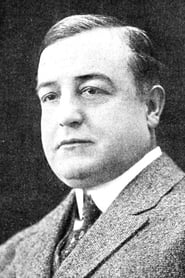
Bigelow Cooper
Actor
Born: 1867 in New York, New York, United States Died: 1953 Active: 1912-1913
Films
6 films
About Bigelow Cooper
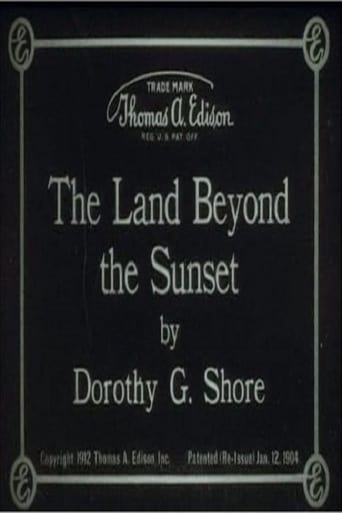
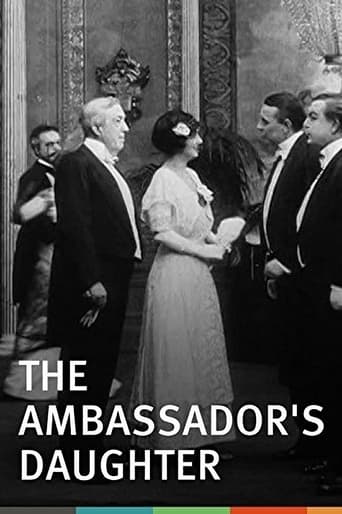
American silent film actor who had a brief but notable career during the years of cinema. Active primarily between 1912 and 1913, Cooper appeared in several productions for the Edison Manufacturing Company, one of the earliest film studios in America. His most significant work was in 'The Land Beyond the Sunset' (1912), a film that addressed social issues and child welfare concerns at a time when cinema was still establishing itself as a serious artistic medium. Cooper's performance in this film demonstrated the emotional depth and naturalistic acting style that would later become more common in silent cinema. Beyond his work in 'At Bear Track Gulch' (1913), details about his other film appearances remain scarce, suggesting his career was relatively short-lived during the transitional period of American cinema. Like many actors of this era, Cooper's contributions to early film history have been somewhat obscured by time, but his participation in these productions represents an important part of cinema's developmental years.
The Craft
On Screen
Cooper's acting style was typical of the transitional period between stage acting and screen acting, featuring exaggerated gestures and facial expressions common in early silent films. His performances demonstrated the emerging naturalistic approach that would become standard in cinema, particularly in his role in 'The Land Beyond the Sunset' where he conveyed emotion through subtle facial movements rather than broad theatrical gestures.
Milestones
- Starred in 'The Land Beyond the Sunset' (1912)
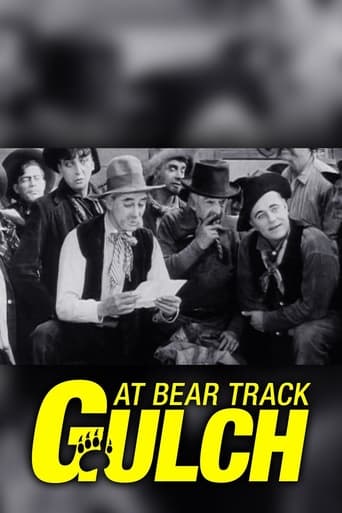
- Appeared in 'At Bear Track Gulch' (1913)
- Worked with Edison Manufacturing Company
- Participated in early American cinema's formative years
Best Known For
Iconic Roles
Must-See Films
Accolades
Special Recognition
- 'The Land Beyond the Sunset' was added to the National Film Registry in 2000
Working Relationships
Worked Often With
Studios
Why They Matter
Impact on Culture
Bigelow Cooper's cultural impact, while not widely recognized individually, is tied to his participation in 'The Land Beyond the Sunset,' a film that was groundbreaking for its time as one of the first to address social issues and child welfare in cinema. The film's preservation in the National Film Registry in 2000 highlights its historical significance, and by extension, the contributions of actors like Cooper who helped bring this important early work to life. His performances represent the transitional period of American cinema when actors were adapting their craft from stage to screen, helping establish the foundations of film acting techniques that would evolve throughout the silent era.
Lasting Legacy
Bigelow Cooper's legacy is preserved primarily through his work in early American cinema, particularly in films that have survived the test of time. While his individual contributions may not be widely remembered, his participation in productions like 'The Land Beyond the Sunset' places him among the actors who helped shape the language of cinema during its formative years. As part of the Edison Manufacturing Company's roster, he contributed to one of America's earliest and most influential film studios during a crucial period of technological and artistic development in motion pictures.
Who They Inspired
As an actor from the earliest days of American cinema, Bigelow Cooper's influence on subsequent performers is indirect but significant. His work helped demonstrate the potential of film as a medium for serious storytelling with social relevance, particularly through 'The Land Beyond the Sunset.' The acting techniques he employed, representing the transition from theatrical to cinematic performance, contributed to the evolving language of film acting that would be refined by subsequent generations of silent film actors and eventually influence the development of performance in sound cinema.
Off Screen
Very little is documented about Bigelow Cooper's personal life, which was common for many early film actors whose lives were not extensively recorded in historical archives. Born in 1867 in New York, he would have been in his mid-40s during his brief film career, suggesting he may have come to acting from another profession or had prior stage experience. He lived through the most transformative decades of cinema history, from its infancy to the golden age of Hollywood, though his own participation was limited to the very early years.
Did You Know?
- Bigelow Cooper was 45 years old when he appeared in 'The Land Beyond the Sunset,' making him a relatively mature actor for the time
- His film active years covered only about one year, from 1912 to 1913
- 'The Land Beyond the Sunset' was selected for preservation in the United States National Film Registry in 2000
- The Edison Manufacturing Company, where Cooper worked, was one of Thomas Edison's many business ventures
- Cooper worked during the era when films were transitioning from short novelty pieces to longer narrative features
- Very few photographs of Bigelow Cooper survive from his film career
- His most famous film 'The Land Beyond the Sunset' was only 10 minutes long but was considered substantial for its time
- The film addressed child welfare issues, which was unusual and progressive for 1912
- Cooper was part of the first generation of actors who performed specifically for motion pictures rather than transitioning from stage careers
- His career ended before the feature film era truly began in America
Frequently Asked Questions
Who was Bigelow Cooper?
American silent film with credits in this catalog. He is best known for his role in 'The Land Beyond the Sunset' (1912), a groundbreaking early film that addressed social issues and was later preserved in the National Film Registry.
What films is Bigelow Cooper best known for?
Titles linked here include The Land Beyond the Sunset (1912), At Bear Track Gulch (1913).
When was Bigelow Cooper born and when did he die?
Born 1867; died 1953.
What awards did Bigelow Cooper win?
Bigelow Cooper did not receive any personal awards during his lifetime, as the award systems for film were not yet established during his brief career in the early 1910s. However, 'The Land Beyond the Sunset,' his most notable film, was selected for preservation in the National Film Registry in 2000, recognizing its cultural significance.
What was Bigelow Cooper's acting style?
Bigelow Cooper's acting style was typical of the transitional period between stage and screen acting, featuring the exaggerated expressions common in early silent films while showing emerging naturalistic techniques. His performances demonstrated the adaptation of theatrical skills to the new medium of cinema, helping establish early film acting conventions.
Why was 'The Land Beyond the Sunset' significant?
'The Land Beyond the Sunset' was significant as one of the first American films to address social issues, particularly child welfare, in a serious manner. The 10-minute film was groundbreaking for its time and was later recognized for its historical importance by being added to the National Film Registry in 2000 as a culturally significant work of early cinema.
Did Bigelow Cooper have a long career in films?
No, Bigelow Cooper's film career was quite brief, spanning only about one year from 1912 to 1913. He appeared in only a handful of films during this period, primarily for the Edison Manufacturing Company, making him representative of many early film actors whose careers were short-lived during cinema's formative years.