Films
1 film
About Stanley Hunt
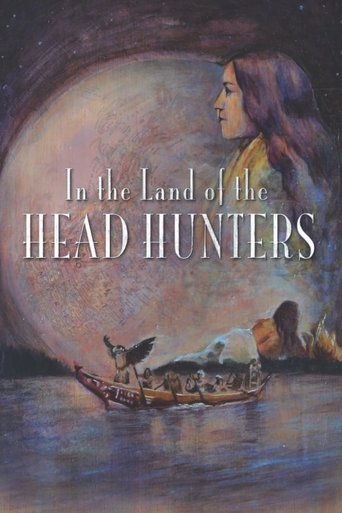
Prominent Indigenous actor from the Kwakwaka'wakw nation of British Columbia, Canada, who gained recognition for his role in the 1914 silent film 'In the Land of the Head Hunters.' As one of the principal performers in Edward S. Curtis's ambitious documentary-style feature, Hunt portrayed traditional Indigenous life and customs at a time when Native representation in cinema was virtually nonexistent. His participation in this film marked a significant moment in early cinema history, as it featured an entirely Indigenous cast telling their own stories. Hunt's performance demonstrated the dignity and complexity of Indigenous culture, challenging the stereotypical portrayals common in films of the era. The film, later retitled 'In the Land of the War Canoes,' became an important cultural document preserving Kwakwaka'wakw traditions. Though his film career was brief and confined to this single production, Hunt's contribution to cinema history as a Indigenous performer has been increasingly recognized by film historians and cultural scholars. His work helped establish a foundation for Indigenous representation in film that would influence generations of Native actors and filmmakers.
The Craft
On Screen
Naturalistic performance style that authentically portrayed Indigenous cultural practices and ceremonies, emphasizing traditional storytelling methods rather than theatrical acting techniques common in the silent era
Milestones
- Starred in 'In the Land of the Head Hunters' (1914), one of the first feature films with an all-Indigenous cast
- Participated in preserving Kwakwaka'wakw cultural traditions through cinema
- Worked with ethnographic filmmaker Edward S. Curtis
Best Known For
Iconic Roles
Must-See Films
Accolades
Special Recognition
- Recognized as a Indigenous performer in film history
- Contributor to the preservation of Kwakwaka'wakw cultural heritage
Working Relationships
Worked Often With
Why They Matter
Impact on Culture
Stanley Hunt's appearance in 'In the Land of the Head Hunters' represented a groundbreaking moment in cinema history as one of the earliest examples of Indigenous people controlling their own representation on film. The film served as both entertainment and cultural documentation, preserving Kwakwaka'wakw traditions that might otherwise have been lost due to government assimilation policies. Hunt's participation helped challenge the prevailing stereotypes of Indigenous people in early Hollywood, which typically featured white actors in redface. The film's existence demonstrated that Indigenous stories could be told authentically by Indigenous people themselves, laying groundwork for future Native filmmakers and actors. His work continues to be studied by film scholars and Indigenous cultural historians as an important example of early ethnographic cinema.
Lasting Legacy
Stanley Hunt's legacy endures through his contribution to. 'In the Land of the Head Hunters' has been restored and preserved by institutions including the UCLA Film & Television Archive and the Field Museum, ensuring that Hunt's performance remains accessible to modern audiences. His work is frequently cited in discussions about Indigenous representation in media and the history of ethnographic filmmaking. Contemporary Indigenous filmmakers often reference early pioneers like Hunt as trailblazers who opened doors for Native storytelling in cinema. The film itself has become an important cultural artifact for the Kwakwaka'wakw people, helping to reconnect younger generations with their ancestral traditions.
Who They Inspired
While Stanley Hunt's direct influence on subsequent generations of actors is difficult to trace due to the limited documentation of his life and career, his participation in 'In the Land of the Head Hunters' established an important precedent for Indigenous representation in cinema. The film demonstrated that Indigenous performers could authentically portray their own cultures, challenging the industry's reliance on non-Native actors in Indigenous roles. This early example of self-representation influenced later developments in Indigenous cinema and advocacy for authentic casting. Contemporary Native actors and filmmakers often cite early pioneers like Hunt as part of the historical foundation for their work in reclaiming Indigenous narratives in media.
Off Screen
Member of the Kwakwaka'wakw First Nation, an Indigenous community known for their rich cultural traditions including potlatch ceremonies, elaborate masks, and intricate woodcarving. His participation in Curtis's film was part of a broader effort to document and preserve Indigenous cultural practices that were being suppressed by Canadian government policies of the era. Hunt lived during a period when the potlatch was banned (1884-1951), making the film's documentation of these ceremonies particularly significant.
Did You Know?
- 'In the Land of the Head Hunters' was the first feature-length film to star an all-Indigenous cast
- The film was originally released in 1914 but was thought lost until a damaged copy was discovered in 1947
- Edward S. Curtis, the film's director, was better known as a photographer of Native American peoples
- The film was retitled 'In the Land of the War Canoes' in 1973 with a new musical score by Kwakwaka'wakw musicians
- Many of the ceremonial items shown in the film were later repatriated to the Kwakwaka'wakw people
- The film was shot on location in British Columbia using traditional Kwakwaka'wakw villages and settings
- Stanley Hunt and other performers wore authentic ceremonial regalia that had been preserved despite the potlatch ban
- The film's budget of approximately $75,000 was substantial for its time
- Contemporary Kwakwaka'wakw descendants of the original performers have been involved in restoration efforts
- The film combines documentary elements with fictional narrative, creating a hybrid form that was innovative for its time
Frequently Asked Questions
Who was Stanley Hunt?
Indigenous with credits in this catalog.' He was one of the principal performers in this groundbreaking feature that featured an all-Indigenous cast and documented traditional Kwakwaka'wakw culture.
What films is Stanley Hunt best known for?
Titles linked here include In the Land of the Head Hunters (1914).
When was Stanley Hunt born and when did he die?
Specific birth and death dates for Stanley Hunt are not documented in historical records. He was an Indigenous actor from British Columbia, Canada, who was active during the early 1910s, but detailed biographical information about his life remains unavailable.
What awards did Stanley Hunt win?
Stanley Hunt did not receive any formal awards during his lifetime, as recognition for Indigenous performers was virtually nonexistent in the early film industry. His significance is recognized today through his role in Indigenous cinema history rather than through formal accolades.
What was Stanley Hunt's acting style?
Stanley Hunt's acting style was naturalistic and authentic, drawing from traditional Indigenous performance practices rather than the theatrical techniques common in silent era cinema. His performances emphasized genuine cultural expression and ceremonial authenticity over dramatic acting conventions.
Why is 'In the Land of the Head Hunters' historically significant?
The film is historically significant as one of the first feature-length movies to cast Indigenous actors in leading roles and portray their culture authentically. It preserves important Kwakwaka'wakw cultural practices that were suppressed by government policies at the time, making it both an artistic and ethnographic milestone.
How has Stanley Hunt's legacy been preserved?
Stanley Hunt's legacy is preserved through the restoration and continued study of 'In the Land of the Head Hunters,' which has been recognized by film archives and cultural institutions. His contribution to Indigenous representation in cinema is acknowledged by film historians and continues to influence discussions about Native storytelling in media.