Films
1 film
About Sarah Constance Smith Hunt
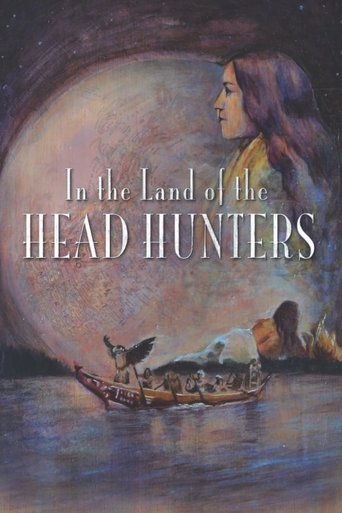
Indigenous Canadian actress of Kwakwaka'wakw heritage who gained recognition for her role in the 1914 silent film 'In the Land of the Head Hunters.' She was part of a historic ensemble cast that comprised entirely Indigenous performers from British Columbia, making the film one of the first of its kind to feature an all-Native cast in a major production. Her participation in Edward S. Curtis's ambitious project represented a rare opportunity for Indigenous actors to appear on screen during an era when Native Americans were typically played by white performers in redface. The film was shot on location in her native British Columbia, showcasing authentic Kwakwaka'wakw culture, ceremonies, and traditions. Though her film career appears to have been limited to this single production, her contribution to early cinema and Indigenous representation in film remains historically significant. The film itself was later restored and retitled 'In the Land of the War Canoes' in 1973, preserving her legacy for future generations.
The Craft
On Screen
Naturalistic performance rooted in authentic cultural expression, participating in traditional ceremonies and storytelling methods that translated to the silent film medium through gesture and movement
Milestones
- Starred in 'In the Land of the Head Hunters' (1914), one of the first feature films with an all-Indigenous cast
- Participated in groundbreaking ethnographic filmmaking by Edward S. Curtis
- Contributed to authentic representation of Kwakwaka'wakw culture in early cinema
Best Known For
Iconic Roles
Must-See Films
Accolades
Special Recognition
- Recognized as a pioneer of Indigenous representation in cinema
- Contributor to historically significant ethnographic film preservation
Working Relationships
Worked Often With
Studios
Why They Matter
Impact on Culture
Sarah Constance Smith Hunt's contribution to cinema represents a crucial moment in the history of Indigenous representation in film. At a time when Hollywood routinely cast white actors in Native American roles, she and her fellow Kwakwaka'wakw performers brought authentic Indigenous presence to the silver screen. The film's documentation of traditional ceremonies, regalia, and cultural practices has become an invaluable anthropological resource, preserving aspects of Kwakwaka'wakw culture that might otherwise have been lost. Her participation challenged the prevailing stereotypes of the era and paved the way for future Indigenous filmmakers and performers seeking authentic representation.
Lasting Legacy
Though her film career was brief, Sarah Constance Smith Hunt's legacy endures through the preservation and restoration of 'In the Land of the Head Hunters.' The film's 1973 restoration as 'In the Land of War Canoes' brought renewed attention to the contributions of the original Indigenous cast. Modern film scholars and Indigenous communities recognize her as a figure who helped establish the foundation for authentic Indigenous representation in cinema. Her work continues to be studied in film history courses and Indigenous studies programs as an example of early collaborative filmmaking between Indigenous communities and outside filmmakers.
Who They Inspired
Sarah Constance Smith Hunt influenced subsequent generations of Indigenous performers by demonstrating the power and importance of authentic cultural representation in media. Her participation in Curtis's film helped establish a precedent for Indigenous involvement in film production, inspiring later Indigenous filmmakers to take control of their own narratives. The documentary approach of the film, featuring real community members rather than actors, influenced ethnographic filmmaking practices and highlighted the value of community-based storytelling in cinema.
Off Screen
Very little documented information exists about Sarah Constance Smith Hunt's personal life, which was typical for Indigenous performers of the silent era whose stories were often marginalized in historical records. She was a member of the Kwakwaka'wakw people, one of the Indigenous nations of the Pacific Northwest Coast of Canada. Her participation in the 1914 film represented a significant cultural exchange between traditional Indigenous practices and emerging cinematic art forms.
Did You Know?
- The film was originally titled 'In the Land of the Head Hunters' but was retitled 'In the Land of the War Canoes' for its 1973 restoration
- All cast members were from the Kwakwaka'wakw nation and wore authentic ceremonial regalia
- The film was one of the first feature-length films made in Canada
- Edward S. Curtis was primarily known as a photographer of Native American peoples before making this film
- The original film was thought lost for decades before a damaged copy was discovered in 1947
- The film's budget of approximately $75,000 was substantial for its time
- Many of the ceremonies depicted in the film were traditionally restricted from being filmed
- The film was shot entirely on location in British Columbia
- Curtis spent three years living among the Kwakwaka'wakw people before making the film
- The film's rediscovery and restoration have made it an important document of Pacific Northwest Indigenous culture
Frequently Asked Questions
Who was Sarah Constance Smith Hunt?
Screen credits include the 1914 silent film 'In the Land of the Head Hunters.' She was part of the film's all-Indigenous cast, making her a pioneer of Native American representation in early cinema.
What films is Sarah Constance Smith Hunt best known for?
Titles linked here include In the Land of the Head Hunters (1914).
When was Sarah Constance Smith Hunt born and when did she die?
Specific birth and death dates for Sarah Constance Smith Hunt are not documented in historical records, which was common for Indigenous performers of the silent era. She was known to be active in 1914 and was from British Columbia, Canada.
What awards did Sarah Constance Smith Hunt win?
No formal awards were documented for Sarah Constance Smith Hunt's work, as award systems for film were not established in 1914. However, her contribution has been recognized retrospectively for its historical and cultural significance in Indigenous cinema.
What was Sarah Constance Smith Hunt's acting style?
Her acting style was rooted in authentic cultural expression and traditional storytelling methods. As part of an Indigenous cast performing their own ceremonies and traditions, her performances emphasized natural movement and gesture appropriate for the silent film medium while maintaining cultural authenticity.