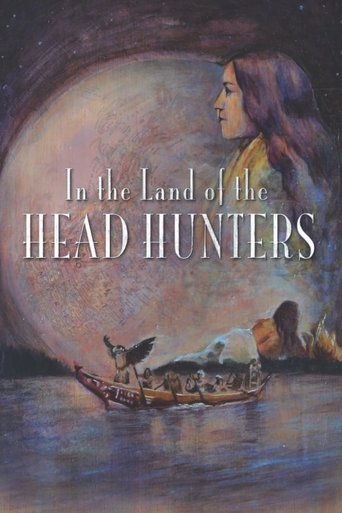
Films
1 film
About Mrs. George Walkus
Mrs. George Walkus performed in Edward S. Curtis's 1914 film 'In the Land of the Head Hunters.' She was one of several Indigenous community members from British Columbia who participated in this early ethnographic film, which documented traditional Kwakwaka'wakw culture, ceremonies, and stories. The film was remarkable for its time as it featured Indigenous actors playing themselves rather than white actors in redface, which was common practice in Hollywood during this era. Mrs. George Walkus's participation in the project represented an early instance of Indigenous self-representation in cinema, though the film was still filtered through Curtis's outsider perspective. Her contribution helped preserve visual records of Kwakwaka'wakw cultural practices that might otherwise have been lost to history. The film was later rediscovered and restored in the 1970s, bringing renewed attention to the Indigenous performers who made it possible. Her legacy represents the important but often overlooked role Indigenous people played in early American cinema.
The Craft
On Screen
Naturalistic performance within traditional Kwakwaka'wakw cultural context, participating in authentic ceremonial and storytelling practices rather than adopting Western acting techniques
Milestones
- Appeared in 'In the Land of the Head Hunters' (1914), one of the earliest films featuring Indigenous performers in authentic roles
Best Known For
Iconic Roles
Must-See Films
Working Relationships
Worked Often With
Why They Matter
Impact on Culture
Mrs. George Walkus's participation in 'In the Land of the Head Hunters' represents an important moment in early cinema history, as it featured Indigenous people portraying themselves rather than being played by white actors in makeup. The film provided one of the earliest visual records of Kwakwaka'wakw culture, ceremonies, and daily life, serving as both a cinematic work and an ethnographic document. Her involvement helped challenge the stereotypical portrayals of Indigenous people that dominated Hollywood during the silent era. The film's rediscovery and restoration in the 1970s brought renewed attention to the contributions of Indigenous performers like Mrs. George Walkus to early cinema history. Her work represents an early example of Indigenous agency in film, even within the colonial framework of early 20th century anthropology and entertainment.
Lasting Legacy
Mrs. George Walkus's legacy lies in her contribution to preserving Kwakwaka'wakw culture through the medium of film, at a time when Indigenous traditions were actively suppressed by Canadian government policies. The film she appeared in has become an invaluable resource for cultural preservation and education for the Kwakwaka'wakw people and scholars of Indigenous cinema. Her participation represents an early instance of Indigenous representation in cinema that predates the more recognized Indigenous film movements of the late 20th century. The restored version of the film continues to be screened at film festivals and academic institutions, ensuring that her contribution to cinema history is remembered. She stands as an important figure in the broader narrative of Indigenous peoples' involvement in film from its earliest days.
Who They Inspired
As an early Indigenous performer, Mrs. George Walkus helped pave the way for future generations of Indigenous actors and filmmakers seeking authentic representation in cinema. Her participation in a film that documented real Indigenous cultural practices influenced later ethnographic filmmaking approaches that prioritized authenticity over exploitation. The film she appeared in has been studied by film scholars and Indigenous cultural experts as an example of early attempts at cultural documentation through cinema. Her work demonstrated the value of Indigenous self-representation long before this became a recognized principle in filmmaking. Contemporary Indigenous filmmakers often reference early pioneers like Mrs. George Walkus when discussing the history of Indigenous cinema.
Off Screen
Very little is documented about Mrs. George Walkus's personal life, which was common for Indigenous performers in early cinema. Her identification as 'Mrs. George Walkus' follows traditional naming conventions where married women were identified through their husbands' names. She was a member of the Kwakwaka'wakw nation, one of the Indigenous peoples of the Pacific Northwest Coast of Canada.
Family
- George Walkus
Did You Know?
- 'In the Land of the Head Hunters' was the first feature-length film to cast Indigenous people as themselves rather than using white actors in redface
- The film was originally titled with the sensationalist 'Head Hunters' name but was later restored and retitled 'In the Land of the War Canoes' in 1973
- Edward S. Curtis was primarily known as a photographer of Indigenous peoples before making this film
- The film featured authentic Kwakwaka'wakw ceremonial regalia, masks, and traditions that had been outlawed by the Canadian government at the time
- Many of the performers in the film were actual community members participating in their cultural practices
- The film was thought lost for decades before being rediscovered in a Chicago film archive
- The restored version included new soundtrack recordings of traditional Kwakwaka'wakw music
- The film was
- Mrs. George Walkus was one of several Indigenous women who appeared in the film, challenging gender norms of early cinema
- The film's rediscovery led to renewed interest in Curtis's work and its impact on Indigenous cultural preservation
Frequently Asked Questions
Who was Mrs. George Walkus?
Screen credits include Edward S. Curtis's 1914 film 'In the Land of the Head Hunters.' She was one of the early Indigenous actors who participated in authentic cultural representation in cinema during the silent film era.
What films is Mrs. George Walkus best known for?
Titles linked here include In the Land of the Head Hunters (1914).
When was Mrs. George Walkus born and when did she die?
Specific birth and death dates for Mrs. George Walkus are not documented in historical records, which was common for Indigenous performers in early cinema. She was active in 1914 and was a member of the Kwakwaka'wakw nation from British Columbia, Canada.
What awards did Mrs. George Walkus win?
Mrs. George Walkus did not receive any formal awards or recognition during her lifetime, as was typical for Indigenous performers in early cinema. Her contribution has been recognized retrospectively by film historians and Indigenous cultural scholars for its historical significance.
What was Mrs. George Walkus's acting style?
Mrs. George Walkus's performance style was naturalistic and rooted in authentic Kwakwaka'wakw cultural practices rather than Western acting techniques. She participated in traditional ceremonies and storytelling as they would have been performed in her community, providing genuine cultural representation rather than theatrical performance.