Films
1 film
About Paddy 'Malid
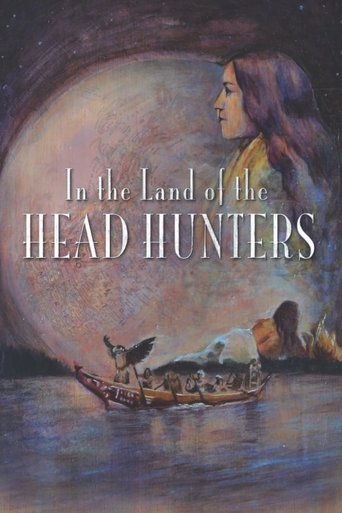
Paddy 'Malid appeared in Edward S. Curtis's 1914 film 'In the Land of the Head Hunters.' As a member of the Kwakwaka'wakw people of British Columbia, he participated in what was one of the earliest feature-length films to feature an all-indigenous cast. The film was a work that documented traditional Kwakwaka'wakw culture, ceremonies, and stories at a time when these practices were being suppressed by Canadian authorities. Like other cast members, Paddy 'Malid would have been performing authentic cultural practices and wearing traditional regalia rather than acting in the conventional Hollywood sense. The film was rediscovered and restored in the 1970s, bringing renewed attention to the indigenous performers who participated in this important cultural document. His involvement represents a significant moment in early cinema where indigenous people were able to represent their own culture on screen, albeit through the lens of an ethnographic filmmaker.
The Craft
On Screen
As an indigenous performer in an ethnographic film, Paddy 'Malid would have performed traditional Kwakwaka'wakw ceremonies, dances, and cultural practices authentically rather than employing conventional acting techniques. His performance would have been rooted in genuine cultural expression rather than theatrical interpretation.
Milestones
- Appeared in 'In the Land of the Head Hunters' (1914), one of the earliest feature films with an all-indigenous cast
Best Known For
Must-See Films
Working Relationships
Worked Often With
Why They Matter
Impact on Culture
Paddy 'Malid's participation in 'In the Land of the Head Hunters' contributed to. The film served as both a cinematic achievement and a crucial preservation of Kwakwaka'wakw cultural practices that were actively being suppressed by the Canadian government. By participating in this project, he and other indigenous performers helped create a lasting record of their culture that has proven invaluable for cultural revitalization efforts. The film's restoration in the 1970s brought renewed attention to the indigenous performers and their contributions to early cinema history.
Lasting Legacy
Paddy 'Malid's legacy is preserved through his participation in 'In the Land of the Head Hunters,' which remains an important historical document of Kwakwaka'wakw culture and early cinema. The film continues to be studied by anthropologists, film historians, and indigenous communities seeking to reconnect with traditional practices. His contribution, though documented only briefly, represents the broader story of indigenous participation in early film and the preservation of cultural heritage through cinema.
Who They Inspired
As an early indigenous performer, Paddy 'Malid helped pave the way for greater indigenous representation in cinema, though this influence would not be fully recognized until decades later. The authentic cultural practices he performed on film have served as reference material for cultural revitalization within the Kwakwaka'wakw community and inspired later indigenous filmmakers to reclaim their own narratives.
Off Screen
Very little is documented about Paddy 'Malid's personal life beyond his participation in the 1914 film. As a Kwakwaka'wakw person from British Columbia, he would have lived during a period of significant cultural suppression by the Canadian government, which banned indigenous ceremonies through the potlatch ban from 1885 to 1951.
Did You Know?
- The film 'In the Land of the Head Hunters' was the first feature-length film made in British Columbia
- The film was thought lost for decades until a damaged copy was discovered in 1947
- In 1973, the film was retitled 'In the Land of the War Canoes' and restored with a new soundtrack
- The Kwakwaka'wakw performers in the film were not professional actors but community members performing their own cultural practices
- Edward S. Curtis, the filmmaker, was primarily known as a photographer of Native American peoples
- The film was one of the earliest to feature an all-indigenous cast
- Many of the traditional practices shown in the film had been illegal under Canadian law at the time of filming
- The film's restoration involved collaboration with Kwakwaka'wakw descendants of the original performers
Frequently Asked Questions
Who was Paddy 'Malid?
Screen credits include Edward S. Curtis's 1914 film 'In the Land of the Head Hunters.' He was one of several indigenous performers who participated in this groundbreaking ethnographic film that documented traditional Kwakwaka'wakw culture.
What films is Paddy 'Malid best known for?
Titles linked here include In the Land of the Head Hunters (1914).
When was Paddy 'Malid born and when did he die?
Specific birth and death dates for Paddy 'Malid are not documented in historical records. As a Kwakwaka'wakw person from British Columbia, he would have lived during the early 20th century, but precise biographical details have not been preserved in written form.
What awards did Paddy 'Malid win?
Paddy 'Malid did not receive any formal awards or recognition during his lifetime. His contribution to cinema was not fully appreciated until decades later when the film he appeared in was rediscovered and recognized for its cultural and historical significance.
What was Paddy 'Malid's acting style?
Paddy 'Malid's performance style was rooted in authentic cultural expression rather than conventional acting. As a Kwakwaka'wakw performer in an ethnographic film, he would have demonstrated traditional ceremonies, dances, and practices that were part of his cultural heritage rather than theatrical performances.