Films
1 film
About Balutsa
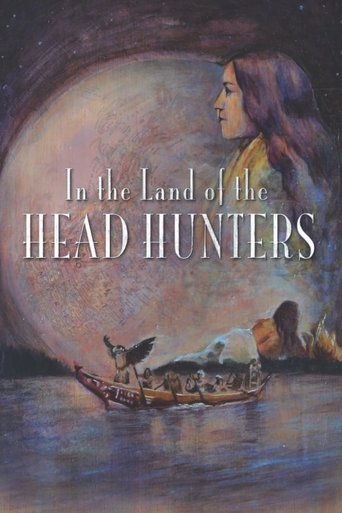
Balutsa was cast in Edward S. Curtis's 1914 film 'In the Land of the Head Hunters.' As a member of the Indigenous community from British Columbia, Canada, Balutsa participated in one of the earliest feature films made in Canada and one of the first films to feature an entirely Indigenous cast. The film was an ambitious project that attempted to document and dramatize traditional Kwakwaka'wakw culture, ceremonies, and daily life. Balutsa, like other cast members, would have been recruited from the local community around Vancouver Island, bringing authentic cultural knowledge to the production. The film's production was a unique collaboration between Curtis, a famous photographer known for his work documenting Native American peoples, and the Kwakwaka'wakw community members who served as both actors and cultural consultants. Unfortunately, detailed records about individual Indigenous actors from this period are scarce, making it difficult to trace Balutsa's complete biography or determine if this was their birth name or a character name in the film.
The Craft
On Screen
As an Indigenous actor in an ethnographic film, Balutsa would have brought authentic cultural practices and traditional performance techniques to the role, likely incorporating traditional Kwakwaka'wakw storytelling methods, ceremonial movements, and cultural gestures that were part of their community's heritage.
Milestones
- Appeared in 'In the Land of the Head Hunters' (1914), one of Canada's first feature films
- Participated in a ethnographic film project
- Contributed to the preservation and documentation of Kwakwaka'wakw culture on film
Best Known For
Iconic Roles
Must-See Films
Working Relationships
Worked Often With
Studios
Why They Matter
Impact on Culture
Balutsa's participation in 'In the Land of the Head Hunters' represents an important moment in cinema history, as Indigenous actors were given the opportunity to portray their own culture on screen rather than having white actors in redface. The film, while directed by a white outsider, provided a rare platform for authentic Indigenous cultural representation during a period when Native peoples were typically misrepresented in mainstream cinema. The collaboration between Curtis and the Kwakwaka'wakw community, including actors like Balutsa, created a valuable cultural document that preserved aspects of traditional Kwakwaka'wakw life, ceremonies, and artistic practices that might otherwise have been lost to history.
Lasting Legacy
Though individual records are scarce, Balutsa's legacy lives on through the preservation of 'In the Land of the Head Hunters,' which was rediscovered and restored in the 1970s with new musical score and cultural commentary from Kwakwaka'wakw descendants. The film now serves as both a historical artifact and a cultural touchstone for the Kwakwaka'wakw people, demonstrating how early cinema, despite its colonial context, inadvertently preserved important cultural heritage. The participation of Indigenous actors like Balutsa paved the way for greater Indigenous representation and control over their own stories in film.
Who They Inspired
As one of the earliest Indigenous actors in cinema history, Balutsa contributed to establishing a precedent for authentic Indigenous representation in film, influencing later generations of Indigenous filmmakers and actors who would fight for control over their own narratives and cultural depictions in cinema.
Off Screen
Very little is documented about the personal life of Balutsa, as was common for Indigenous actors in early cinema. Historical records from this period often failed to properly credit or document the biographical details of non-white performers, particularly those from Indigenous communities who participated in ethnographic film projects.
Did You Know?
- 'In the Land of the Head Hunters' was one of the first feature films made in Canada
- The film was originally 8 reels (approximately 80 minutes) but only fragments survive today
- The film was rediscovered in a Chicago archive in 1947 and later restored
- Edward S. Curtis was primarily known as a photographer before making this film
- The film featured authentic Kwakwaka'wakw ceremonies, costumes, and cultural practices
- The original film had a musical score composed by John J. Braham
- The film was controversial for blurring documentary and fictional elements
- Many of the props and costumes used in the film were recreated specifically for the production
- The film was thought lost for decades before its rediscovery
- A restored version with new music by the Kwakwaka'wakw community was released in 2008
Frequently Asked Questions
Who was Balutsa?
Screen credits include the 1914 film 'In the Land of the Head Hunters,' one of the earliest feature films made in Canada and notable for its entirely Indigenous cast.
What films is Balutsa best known for?
Titles linked here include In the Land of the Head Hunters (1914).
When was Balutsa born and when did they die?
Specific birth and death dates for Balutsa are not documented in historical records, as was common for Indigenous actors in early cinema whose personal details were often not preserved in film industry archives.
What awards did Balutsa win?
No awards or honors are documented for Balutsa, as recognition systems for film performances were not established in 1914 and Indigenous actors from this period rarely received formal acknowledgment for their contributions.
What was Balutsa's acting style?
Balutsa would have brought authentic Kwakwaka'wakw cultural practices and traditional performance techniques to their role, incorporating ceremonial movements and cultural gestures specific to their community's heritage rather than conventional theatrical acting styles of the era.