Films
1 film
About Kwagwanu
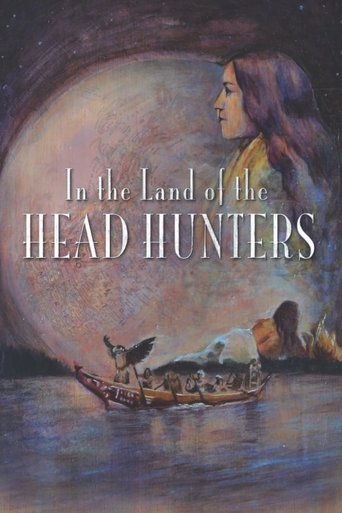
Member of the Kwakwaka'wakw Indigenous people of British Columbia, Canada, who participated in the 1914 silent film 'In the Land of the Head Hunters.' This film, directed by Edward S. Curtis, was one of the first feature-length documentaries to cast Indigenous people in leading roles, portraying their own culture and traditions rather than having white actors in redface. Kwagwanu, like other performers from his community, was not a professional actor but a tribal member who brought authentic ceremonial knowledge and cultural practices to his performance. The film was a remarkable collaboration between Curtis and the Kwakwaka'wakw people, who saw it as an opportunity to preserve and share their heritage. Kwagwanu's participation represents a rare instance of authentic Indigenous representation in early cinema, during an era when Native Americans were typically portrayed stereotypically by non-Native actors. His screen presence helped document Kwakwaka'wakw ceremonies, art, and social structures that might otherwise have been lost to history. Beyond this single film appearance, little is known about Kwagwanu's personal life or career, as he returned to his community after production.
The Craft
On Screen
Natural and authentic performance drawing from real ceremonial and cultural practices rather than theatrical techniques typical of the silent era
Milestones
- Starred in 'In the Land of the Head Hunters' (1914), one of the first feature films with an all-Indigenous cast
- Participated in the preservation of Kwakwaka'wakw cultural practices through cinema
- Contributed to early documentary filmmaking techniques
- Helped challenge stereotypes of Indigenous people in early cinema
Best Known For
Iconic Roles
Must-See Films
Accolades
Special Recognition
- Recognized posthumously as a pioneer in authentic Indigenous representation in cinema
Working Relationships
Worked Often With
Why They Matter
Impact on Culture
Kwagwanu's participation in 'In the Land of the Head Hunters' marked a significant moment in cinema history as one of the first examples of Indigenous people portraying themselves and their culture authentically on screen. This challenged the prevailing practice of having white actors in redface and presenting stereotypical depictions of Native Americans. The film itself became an invaluable cultural document, preserving Kwakwaka'wakw ceremonies, art, and social structures that might otherwise have been lost. The collaborative nature of the production between Curtis and the Indigenous community represented a unique approach to ethnographic filmmaking that was decades ahead of its time. Kwagwanu and his fellow performers demonstrated that authentic cultural representation was not only possible but powerful in cinema.
Lasting Legacy
Kwagwanu's legacy lies in his contribution to authentic Indigenous representation in early cinema, a rarity during the silent film era. 'In the Land of the Head Hunters' has been recognized by film historians and anthropologists as a groundbreaking work that preserved Kwakwaka'wakw culture. The film was rediscovered and restored in the 1970s with the help of the Kwakwaka'wakw community, who provided new soundtracks and cultural context. Kwagwanu represents the unsung Indigenous performers who helped create cinema history while maintaining their cultural integrity. His work continues to be studied by scholars examining the intersection of anthropology and filmmaking, as well as those researching Indigenous representation in media.
Who They Inspired
While Kwagwanu himself did not directly influence other performers due to his single film appearance, the authentic approach he and his fellow Kwakwaka'wakw community members brought to 'In the Land of the Head Hunters' has influenced generations of Indigenous filmmakers and actors. The film stands as an early example of self-representation that contemporary Indigenous creators reference when advocating for authentic storytelling. Modern Indigenous filmmakers often cite this early collaboration as a precedent for community-based media projects. The restoration work on the film has inspired similar efforts to preserve and contextualize historical Indigenous media.
Off Screen
Little is documented about Kwagwanu's personal life beyond his participation in the 1914 film. As a member of the Kwakwaka'wakw people, he would have been deeply connected to his community's cultural traditions and ceremonies. The film production was a significant event that brought together many members of his community for an extended period. After filming concluded, he returned to his traditional way of life in British Columbia.
Did You Know?
- The film was originally titled 'In the Land of the Head Hunters' but was later retitled 'In the Land of the War Canoes' in the restored version
- Kwagwanu and other performers wore authentic ceremonial regalia that had been passed down through generations
- The film was the first feature-length film to cast Indigenous people in all major roles
- Many of the ceremonial practices shown in the film had been banned by the Canadian government at the time of filming
- The film's budget was equivalent to over $3 million in today's currency
- Kwagwanu's community received a portion of the film's profits, unusual for the time
- The original film negative was thought lost until it was discovered in a Chicago dumpster in 1947
- Kwagwanu's performance was entirely non-verbal, as was typical for silent films
- The film included actual Kwakwaka'wakw ceremonies that were rarely seen by outsiders
- Kwagwanu's identity as a specific individual performer has been difficult to trace in historical records
Frequently Asked Questions
Who was Kwagwanu?
Screen credits include the 1914 silent film 'In the Land of the Head Hunters.' He was not a professional actor but a community member who participated in this groundbreaking film that authentically portrayed Indigenous culture.
What films is Kwagwanu best known for?
Titles linked here include In the Land of the Head Hunters (1914).
When was Kwagwanu born and when did he die?
Specific birth and death dates for Kwagwanu are not documented in historical records. He was an active member of the Kwakwaka'wakw community in British Columbia during the early 1910s when he participated in the film.
What awards did Kwagwanu win?
Kwagwanu did not receive any formal awards during his lifetime, though he and his fellow performers have been posthumously recognized for their role in authentic Indigenous representation in cinema.
What was Kwagwanu's acting style?
Kwagwanu's performance was natural and authentic, drawing from real cultural practices and ceremonies rather than theatrical techniques. He brought genuine knowledge of his people's traditions to his role.
Why is Kwagwanu significant in film history?
Kwagwanu is significant as one of the first Indigenous people to authentically portray their own culture in a feature film, challenging the era's practice of stereotypical Native American representation by non-Native actors.