Films
1 film
About Francine Hunt
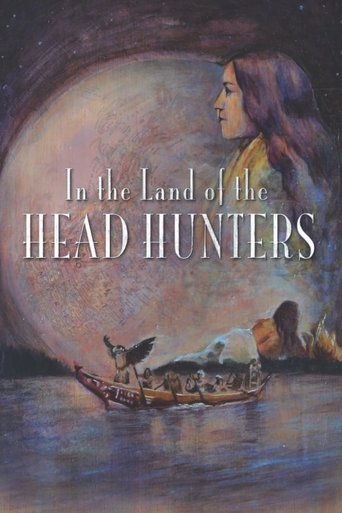
Francine Hunt was cast in Edward S. Curtis's 1914 film 'In the Land of the Head Hunters.' As a member of the Kwakwaka'wakw people from British Columbia, Canada, she participated in what would become one of the earliest feature-length films to star an all-indigenous cast. Her involvement in the film came during a unique period when early cinema was beginning to explore ethnographic subjects, though often through a colonial lens. Hunt was not a professional actress in the Hollywood sense, but rather a community member who brought authentic cultural representation to Curtis's ambitious project. The film documented traditional Kwakwaka'wakw life, ceremonies, and stories, with Hunt contributing to this important cultural preservation effort. Her participation represents a rare instance of indigenous people being featured as protagonists rather than background characters in early American cinema. Though her film career was limited to this single production, her contribution to early film history and indigenous representation remains significant.
The Craft
On Screen
As a non-professional actor, Francine Hunt's performance style would have been naturalistic and authentic, drawing from traditional cultural expressions rather than theatrical techniques common in early silent cinema.
Milestones
- Appeared in 'In the Land of the Head Hunters' (1914), one of the first feature films with an all-indigenous cast
- Participated in Edward S. Curtis's ethnographic film project
- Contributed to early documentation of Kwakwaka'wakw culture on film
Best Known For
Iconic Roles
Must-See Films
Working Relationships
Worked Often With
Why They Matter
Impact on Culture
Francine Hunt's participation in 'In the Land of the Head Hunters' contributed to one of the earliest examples of indigenous self-representation in cinema, though still mediated through Curtis's direction. The film itself has become an important historical document of Kwakwaka'wakw culture, preserving ceremonies, traditions, and ways of life that might otherwise have been lost. Her involvement, along with other indigenous performers, challenged the prevailing practice of having white actors in redface portray Native American characters. The film has been studied by anthropologists, film historians, and indigenous scholars as both an artistic work and a cultural artifact.
Lasting Legacy
Francine Hunt's legacy is tied to the preservation and representation of Kwakwaka'wakw culture in early cinema. While not a widely known figure in film history, her contribution to 'In the Land of the Head Hunters' has gained recognition as the film has been rediscovered and restored by film historians. The surviving footage provides invaluable insight into indigenous culture of the Pacific Northwest during the early 20th century. Her participation represents an early instance of indigenous people taking agency in their own representation on screen, however limited by the colonial context of the production.
Who They Inspired
As an early indigenous film performer, Francine Hunt's influence lies in paving the way for greater indigenous representation in cinema. Her work, along with that of other performers in Curtis's film, demonstrated the power and authenticity of having indigenous people portray their own stories and traditions, a practice that would become increasingly important in later decades of filmmaking.
Off Screen
Very little is documented about Francine Hunt's personal life beyond her participation in Curtis's film. As a Kwakwaka'wakw community member, she would have been part of a rich cultural tradition that was being documented for posterity through the film project.
Did You Know?
- 'In the Land of the Head Hunters' was the first feature-length film to star an all-indigenous cast
- The film was later retitled 'In the Land of the War Canoes' and restored in the 1970s
- Edward S. Curtis was primarily known as a photographer before making this film
- The original film was thought lost for decades before being rediscovered
- The film featured authentic Kwakwaka'wakw ceremonies, costumes, and traditions
- Curtis spent years living among and documenting the Kwakwaka'wakw people before making the film
- The film was a commercial failure but has since gained historical and cultural significance
- Many of the film's performers were actual community members, not professional actors
Frequently Asked Questions
Who was Francine Hunt?
Screen credits include Edward S. Curtis's 1914 film 'In the Land of the Head Hunters,' one of the earliest feature films with an all-indigenous cast.
What films is Francine Hunt best known for?
Titles linked here include In the Land of the Head Hunters (1914).
When was Francine Hunt born and when did she die?
Specific birth and death dates for Francine Hunt are not documented in historical records, though she was active in film in 1914 and was a member of the Kwakwaka'wakw community in British Columbia, Canada.
What awards did Francine Hunt win?
Francine Hunt did not receive any formal awards or recognition during her lifetime, as she was not a professional actress but rather a community participant in Curtis's ethnographic film project.
What was Francine Hunt's acting style?
As a non-professional performer, Francine Hunt's acting would have been naturalistic and authentic, drawing from real cultural expressions rather than the theatrical techniques common in early silent cinema.