Films
1 film
About Bob Wilson
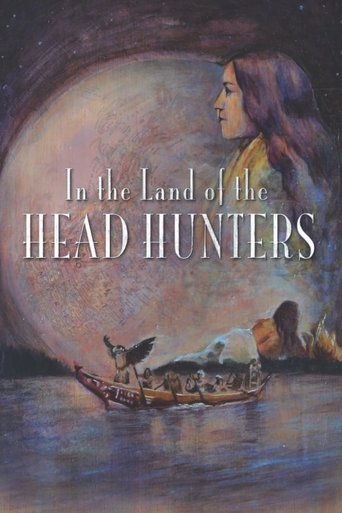
First Nations actor from the Kwakwaka'wakw people of British Columbia, Canada, who gained recognition for his role in Edward S. Curtis's 1914 film 'In the Land of the Head Hunters.' As one of the principal performers in this landmark production, Wilson participated in what is considered one of the earliest feature films to showcase an entirely Indigenous cast. The film was a docudrama that depicted traditional Kwakwaka'wakw life, ceremonies, and stories, with Wilson playing a significant role among the tribal members featured. His participation in Curtis's ambitious project represented a rare opportunity for Indigenous performers to appear in cinema during an era when Native Americans were typically played by white actors in makeup. Following this film, Wilson's acting career appears to have been limited to this single production, as was common for many Indigenous actors of the early silent film period who lacked access to broader opportunities in the burgeoning Hollywood industry. His contribution to this historically significant film has been recognized by film historians as an important example of early Indigenous representation in cinema.
The Craft
On Screen
Naturalistic performance rooted in traditional Kwakwaka'wakw cultural practices and ceremonies, authentic representation of Indigenous life
Milestones
- Starred in 'In the Land of the Head Hunters' (1914), one of the first feature films with an all-Native American cast
- Participated in Edward S. Curtis's groundbreaking ethnographic film project
- Contributed to early representation of Indigenous peoples in cinema
Best Known For
Iconic Roles
Must-See Films
Accolades
Special Recognition
- Recognized as a pioneer in Indigenous representation in early cinema
Working Relationships
Worked Often With
Studios
Why They Matter
Impact on Culture
Bob Wilson's participation in 'In the Land of the Head Hunters' represents a significant milestone in cinema history as part of the first major feature film to cast Indigenous actors in their own roles rather than having white performers in redface. The film itself was groundbreaking for its time, offering audiences an unprecedented glimpse into Kwakwaka'wakw culture, ceremonies, and traditions. Wilson and his fellow cast members helped establish a precedent for authentic Indigenous representation in film, though this progress would be largely reversed in subsequent decades of Hollywood production. The film has since been recognized by film historians and anthropologists as an invaluable cultural document that preserves aspects of Kwakwaka'wakw heritage that might otherwise have been lost.
Lasting Legacy
Bob Wilson's legacy is primarily tied to his contribution to 'In the Land of the Head Hunters,' which has been preserved and restored by film archives including the UCLA Film & Television Archive and the Field Museum. The film was rediscovered and restored in the 1970s with the help of Kwakwaka'wakw elders who provided new soundtrack and narration, ensuring that Wilson's performance and the cultural content of the film would be preserved for future generations. His participation represents an important early example of Indigenous self-representation in cinema, predating the more widely recognized Native American actors of later decades.
Who They Inspired
While Wilson's direct influence on subsequent performers is difficult to trace due to limited documentation of his life and career, his participation in Curtis's film helped establish the possibility of authentic Indigenous casting in cinema. The film's rediscovery and restoration have inspired contemporary Indigenous filmmakers and actors who look to early examples of Native representation in film. Wilson's work, along with that of his fellow cast members, serves as an important touchstone for discussions about Indigenous representation in media history.
Off Screen
Very little is documented about Bob Wilson's personal life beyond his participation in Curtis's film. As a member of the Kwakwaka'wakw First Nations, he was part of a community with rich cultural traditions that were showcased in the 1914 production. Like many Indigenous performers of the era, his life story was not extensively recorded by mainstream historical sources, reflecting the broader marginalization of Native voices in early 20th century documentation.
Did You Know?
- 'In the Land of the Head Hunters' was the first feature-length film to cast an all-Native American cast
- The film was shot on location in British Columbia with the cooperation of the Kwakwaka'wakw people
- Edward S. Curtis was better known as a photographer of Native Americans before making this film
- The original film was thought lost for decades before being rediscovered in a Chicago collection in 1947
- The film was restored in the 1970s with new soundtrack performed by Kwakwaka'wakw musicians
- Bob Wilson was one of several Kwakwaka'wakw community members who performed in the film
- The film's title was later changed to 'In the Land of the War Canoes' to be more culturally sensitive
- Many of the ceremonial objects and costumes seen in the film were authentic cultural items
- The film premiered at New York's Casino Theatre in December 1914
- Curtis invested over $75,000 of his own money into the production, a fortune at the time
Frequently Asked Questions
Who was Bob Wilson?
Screen credits include Edward S. Curtis's 1914 film 'In the Land of the Head Hunters.' He was part of the all-Native American cast that performed in this groundbreaking early feature film.
What films is Bob Wilson best known for?
Titles linked here include In the Land of the Head Hunters (1914).
When was Bob Wilson born and when did he die?
Specific birth and death dates for Bob Wilson are not documented in available historical records. He was identified as a member of the Kwakwaka'wakw First Nations from British Columbia, Canada during the early 20th century.
What awards did Bob Wilson win?
Bob Wilson did not receive formal awards during his lifetime, as was common for many early film performers, particularly Indigenous actors. His legacy is recognized through the historical significance of the film he participated in.
What was Bob Wilson's acting style?
Wilson's performance style was rooted in authentic representation of Kwakwaka'wakw cultural practices and ceremonies. Rather than adopting theatrical acting techniques common in silent films, he and his fellow cast members presented traditional behaviors and rituals as they were actually practiced in their culture.
Why is 'In the Land of the Head Hunters' historically significant?
The film is significant as one of the first feature-length movies to cast Indigenous actors in their own roles, rather than using white actors in redface. It also serves as an invaluable ethnographic document preserving aspects of Kwakwaka'wakw culture from the early 20th century.
What happened to Bob Wilson after 1914?
There is no documented record of Bob Wilson's film career or life after his appearance in 'In the Land of the Head Hunters.' This was common for many Indigenous actors of the silent era who had limited access to continued opportunities in the film industry.