Films
1 film
About Maggie Frank
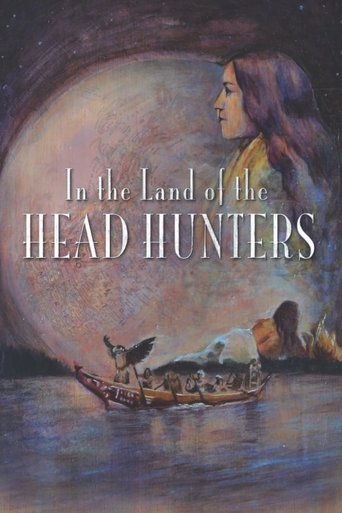
Maggie Frank was cast in 1914 silent film 'In the Land of the Head Hunters. ' She was one of the Kwakwaka'wakw people featured in Edward S. Curtis's ambitious project, which was remarkable for its time as it cast Indigenous performers in leading roles rather than using white actors in redface. The film was a commercial and critical endeavor to document and dramatize Indigenous culture, though viewed through a colonial lens. Maggie Frank's participation represented one of the earliest instances of Native American representation in cinema. Unfortunately, like many early film actors from marginalized communities, detailed records of her life and career are scarce. Her appearance in this historically significant film places her among the Indigenous performers in early American cinema. The film itself was considered lost for decades before a damaged copy was discovered and restored in the 1970s.
The Craft
On Screen
Naturalistic performance style typical of non-professional actors of the silent era, likely drawing from authentic cultural expressions and traditions
Milestones
- Appeared in 'In the Land of the Head Hunters' (1914), one of the first feature films to cast Indigenous actors in leading roles
Best Known For
Iconic Roles
Must-See Films
Working Relationships
Worked Often With
Studios
Why They Matter
Impact on Culture
Maggie Frank's appearance in 'In the Land of the Head Hunters' represents an important, though complex, moment in cinema history. While the film was created through a colonial perspective, it was groundbreaking for casting Indigenous people in their own roles rather than using white actors in redface. Her participation helped pave the way for future Indigenous representation in film, even though authentic Native American voices would remain largely excluded from Hollywood decision-making for decades to come. The film itself has become an important cultural document, both for its cinematic innovations and its documentation of Kwakwaka'wakw culture.
Lasting Legacy
Maggie Frank's legacy lies in her role as one of the first Indigenous actors to appear in a feature-length film. Though her individual story has been largely lost to history, her contribution to early cinema represents the beginning of Native American representation on screen. The rediscovery and restoration of 'In the Land of the Head Hunters' has brought renewed attention to the Indigenous performers who participated in this work.
Who They Inspired
As an early Indigenous performer, Maggie Frank influenced subsequent generations of Native American actors by demonstrating the possibility of authentic representation in cinema, even within the constraints of the colonial film industry of her time.
Off Screen
Very little is documented about Maggie Frank's personal life, which was common for Indigenous actors in the early film industry. As a member of the Kwakwaka'wakw nation, she would have been part of a community with rich cultural traditions that were being documented and dramatized in Curtis's film.
Did You Know?
- 'In the Land of the Head Hunters' was the first feature-length film made in British Columbia
- The film was considered lost for over 60 years before a damaged copy was discovered in 1972
- Edward S. Curtis was better known as a photographer of Native American peoples before making this film
- The film cost approximately $75,000 to make (equivalent to over $2 million today)
- Many of the Indigenous performers were members of the Kwakwaka'wakw nation from Vancouver Island
- The film was originally released with a score by John Braham, which has been lost
- A restored version with new musical score premiered in 2008
- The film was controversial even in its time for its mix of documentary and fictional elements
- Maggie Frank was one of several Indigenous actors who received screen credit, unusual for the period
- The film's title was later changed to 'In the Land of the War Canoes' for re-releases
Frequently Asked Questions
Who was Maggie Frank?
Screen credits include the 1914 silent film 'In the Land of the Head Hunters.' She was among the first Native American actors to appear in a feature-length film, though detailed biographical information about her life is scarce.
What films is Maggie Frank best known for?
Titles linked here include In the Land of the Head Hunters (1914).
When was Maggie Frank born and when did she die?
Specific birth and death dates for Maggie Frank are not documented in historical records, which was common for many early film actors, particularly those from Indigenous communities. She was active in 1914 and was from British Columbia, Canada.
What awards did Maggie Frank win?
Maggie Frank did not receive any formal awards or recognition during her lifetime, as was typical for most actors in the early silent film era, especially those from marginalized communities.
What was Maggie Frank's acting style?
Based on the film's style and the era, Maggie Frank likely employed a naturalistic performance approach typical of non-professional actors of the period, drawing from authentic cultural expressions and traditions of the Kwakwaka'wakw people.