Films
1 film
About S.E. Jennings
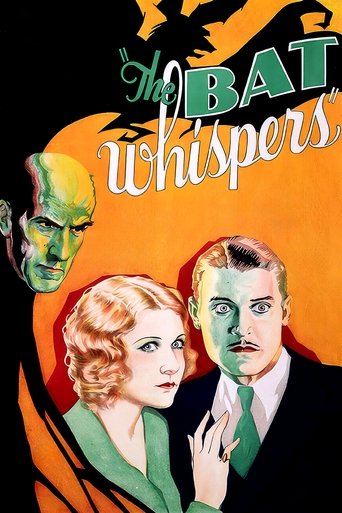
Character actor and bit-part player during the early transition from silent films to the sound era in Hollywood. He is most significantly recognized for his role as 'The Man in the Mask' (or the titular villain's physical presence) in the 1930 pre-Code mystery-thriller 'The Bat Whispers,' directed by Roland West. This film was a effort in widescreen cinematography, filmed in the 65mm 'Magnafilm' process, and Jennings provided the menacing physical performance required for the hooded antagonist. Despite the high profile of this specific production, Jennings' career appears to have been brief or largely uncredited, a common occurrence for physical performers and stunt-capable actors of the period. His contribution to 'The Bat Whispers' remains a point of interest for film historians due to the movie's direct influence on Bob Kane's creation of Batman. Beyond this landmark film, Jennings' presence in the industry was fleeting, and he remains one of the more enigmatic figures of early 1930s genre cinema.
The Craft
On Screen
Jennings utilized a highly physical and pantomime-based acting style, necessitated by his role as a masked figure. His performance relied on imposing stature, deliberate movements, and the ability to convey menace without the use of facial expressions. This style was typical of 'heavy' roles in early sound-era mysteries where the physical presence of the villain was more important than dialogue delivery.
Milestones
- Cast as the mysterious antagonist in the 1930 widescreen epic 'The Bat Whispers'
- Worked under the direction of visionary filmmaker Roland West
- Participated in one of the earliest experiments with 65mm widescreen 'Magnafilm' technology
- Contributed to the visual archetype of the 'masked criminal' that influenced comic book history
Best Known For
Iconic Roles
Must-See Films
Working Relationships
Worked Often With
Studios
Why They Matter
Impact on Culture
S.E. Jennings' primary cultural impact is indirect but profound through his role in 'The Bat Whispers.' The visual design of his character—a masked, caped figure who lurks in the shadows and uses a bat-signal-like projection—was cited by Bob Kane as a primary inspiration for the creation of Batman. Jennings' physical portrayal helped establish the 'Old Dark House' mystery tropes that would define the genre for decades. His performance in a widescreen format also makes him a participant in a significant technological milestone in film history.
Lasting Legacy
His legacy is inextricably linked to the cult status of 'The Bat Whispers.' While his name is not a household word, his silhouette and movements as the 'Bat' have been studied by film scholars and comic book historians alike. He represents the unsung character actors of the early sound era whose specific physical attributes helped bring director's expressionistic visions to life.
Who They Inspired
He influenced the portrayal of masked villains in the mystery and burgeoning horror genres of the 1930s. His work provided a blueprint for the 'phantom' style of antagonist that would appear in later serials and pulp-inspired films.
Off Screen
Very little is documented regarding the personal life of S.E. Jennings. Like many supporting players and atmospheric actors of the early 1930s, he lived outside the Hollywood social spotlight. Records of his family, marriages, or life after his brief film appearance have not been preserved in standard studio archives.
Did You Know?
- He played the character who wears the iconic bat-head mask in the 1930 film.
- The film he appeared in, 'The Bat Whispers,' was a remake of the 1926 silent film 'The Bat.'
- Because he was masked for much of his screen time, he is often confused with other cast members or stuntmen.
- His film 'The Bat Whispers' was one of the first to be shot simultaneously in 35mm and 65mm versions.
- The character he portrayed is credited with inspiring the 'Bat-Signal' used in DC Comics.
- Jennings is often listed in historical cast sheets but rarely appeared in trade magazines of the era.
In Their Own Words
The role was largely silent and physical, leaving no recorded famous dialogue attributed to the actor outside of the scripted lines of the 'Bat' persona.
Frequently Asked Questions
Who was S.E. Jennings?
American with credits in this catalog.
What films is S.E. Jennings best known for?
Titles linked here include The Bat Whispers (1930).
When was S.E. Jennings born and when did they die?
Specific birth and death dates for S.E. Jennings are not publicly documented in standard film registries, as he was a minor figure in the industry.
What awards did S.E. Jennings win?
S.E. Jennings did not win any major film awards during his brief career in the early sound era.
What was S.E. Jennings' acting style?
He specialized in physical acting and pantomime, using his stature and movement to create a sense of mystery and dread while masked.
How did S.E. Jennings influence the creation of Batman?
His portrayal of the masked villain in 'The Bat Whispers' provided the visual inspiration for Bob Kane's Batman, including the use of a bat-themed costume and a projected bat-signal.