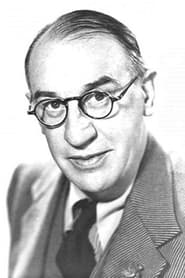
Walter Catlett
Actor
Born: February 4, 1889 in San Francisco, California, USA Died: November 8, 1960 Active: 1929-1960 Birth Name: Walter Edward Catlett
Films
2 films
About Walter Catlett
Prolific American character actor: from the silent era through the Golden Age of Hollywood, beginning in vaudeville before transitioning to films in the late 1920s. Born in San Francisco in 1889, Catlett developed his comedic timing on the vaudeville circuit, where he honed the blustery, fast-talking persona that would become his trademark in Hollywood. His film career took off with the advent of sound pictures, as his distinctive voice and rapid-fire delivery were perfectly suited for the new medium. Throughout the 1930s and 1940s, he appeared in over 150 films, often playing pompous officials, flustered businessmen, or comic relief characters in major productions. Catlett's ability to deliver dialogue with machine-gun precision while maintaining impeccable comedic timing made him a favorite among directors seeking reliable character actors. He worked consistently through the 1950s, appearing in both dramatic and comedic roles, and also made numerous television appearances in the early days of the medium. His final years saw continued work in film and TV until his death in 1960, leaving behind a legacy as one of Hollywood's most recognizable supporting actors.
The Craft
On Screen
Catlett was known for his distinctive fast-talking, blustery comedic style, often playing characters who were pompous, easily flustered, or comically inept. His signature delivery involved rapid-fire dialogue delivered with perfect comedic timing, frequently portraying authority figures who were ultimately undermined by their own incompetence or arrogance. He had a remarkable ability to switch from bombastic bluster to panicked sputtering in an instant, creating memorable comic moments through his expressive face and distinctive vocal patterns.
Milestones
- Transitioned successfully from vaudeville to talking pictures in late 1920s
- Appeared in over 150 films during his three-decade Hollywood career
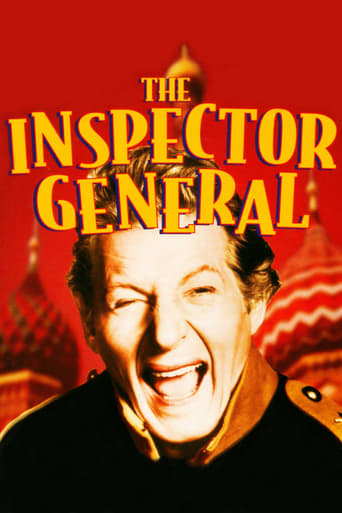
- Memorable role as the blustery mayor in The Inspector General (1950)
- Featured in classic films including Yankee Doodle Dandy (1942) and Meet Me in St. Louis (1944)
- Played the constable in Frank Capra's It's a Wonderful Life (1946)
- Successfully transitioned to television in the 1950s with guest appearances on popular shows
Best Known For
Iconic Roles
Must-See Films
Accolades
Special Recognition
- Star on the Hollywood Walk of Fame
Working Relationships
Worked Often With
Studios
Why They Matter
Impact on Culture
Walter Catlett made a significant impact on American comedy cinema through his mastery of the fast-talking, blustery character archetype that became a staple of 1930s and 1940s Hollywood films. His distinctive style influenced generations of character actors who followed, particularly in the realm of comic relief roles. Catlett's appearances in some of Hollywood's most beloved classics, including It's a Wonderful Life and Meet Me in St. Louis, ensured his place in the cultural memory of Golden Age cinema. His ability to create memorable characters with limited screen time demonstrated the importance of skilled supporting actors in creating fully realized film worlds.
Lasting Legacy
Walter Catlett's legacy endures through his extensive body of work in classic Hollywood films, where he consistently delivered memorable comic performances that enhanced countless productions. His technique of rapid-fire dialogue delivery and physical comedy became a template for character actors in subsequent decades. While never a leading man, Catlett's contributions to films like The Inspector General and It's a Wonderful Life have ensured that his performances continue to be appreciated by classic film enthusiasts and scholars. His star on the Hollywood Walk of Fame stands as proof of his lasting impact on American cinema.
Who They Inspired
Catlett influenced numerous character actors through his distinctive approach to comic timing and delivery. His ability to create fully realized characters in brief screen time became a model for supporting actors in Hollywood. Many later comedians and character actors, including early television performers, drew inspiration from his vaudeville-honed techniques and his ability to balance verbal and physical comedy. His work in ensemble casts helped establish the importance of well-crafted supporting performances in successful film productions.
Off Screen
Walter Catlett was married twice during his lifetime. He married his first wife, Ruth, in the 1920s, and they remained together until her death. He later married Nona Lesley in 1946, with whom he remained until his own death in 1960. Catlett was known in Hollywood circles as a reliable professional who was well-liked by his co-workers and directors. Despite his extensive film career, he maintained a relatively private personal life, focusing on his craft and avoiding the Hollywood social scene whenever possible.
Education
Limited formal education; trained primarily through vaudeville experience and theater work
Family
- Ruth Catlett (1920s-1940s)
- Nona Lesley (1946-1960)
Did You Know?
- Began his career in vaudeville at age 15
- Appeared in over 150 films during his career
- Was known for his ability to memorize pages of dialogue quickly
- Often played characters with titles like 'Mayor,' 'Judge,' or 'Colonel'
- His distinctive voice made him a popular choice for radio work in addition to films
- Made the transition to television easily in the early 1950s
- Was a favorite of director Frank Capra, who cast him in multiple films
- Despite his comic roles, he was known as a serious professional on set
- His rapid-fire delivery style influenced later comedians including Jerry Lewis
- Never received an Academy Award nomination despite his extensive body of work
In Their Own Words
I've always believed that comedy is serious business - you have to take it seriously to be funny.
In vaudeville, you learned quickly that if you couldn't make them laugh in the first ten seconds, you were finished.
Playing pompous characters is easy - you just have to remember that they're always trying to convince themselves of something they don't really believe.
Frequently Asked Questions
Who was Walter Catlett?
Prolific American character with credits in this catalog. He began his career in vaudeville before transitioning to films in the late 1920s, becoming famous for playing pompous officials and comic relief characters in classic productions.
What films is Walter Catlett best known for?
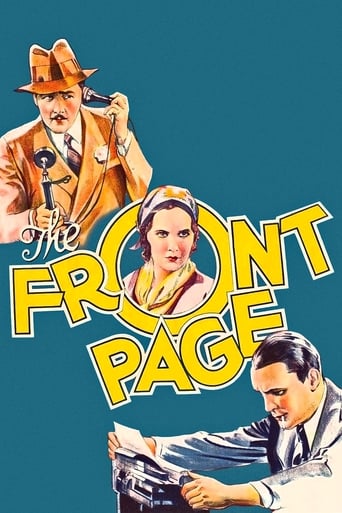
Titles linked here include The Front Page (1931), The Inspector General (1950).
When was Walter Catlett born and when did he die?
Born February 4, 1889; died November 8, 1960.
What awards did Walter Catlett win?
While Walter Catlett never received major awards like Academy Award nominations, he was honored with a star on the Hollywood Walk of Fame in recognition of his extensive contributions to American cinema. His legacy lies in his prolific body of work rather than formal accolades.
What was Walter Catlett's acting style?
Catlett was known for his distinctive fast-talking, blustery comedic style, often playing pompous authority figures who were comically inept or easily flustered. His signature technique involved rapid-fire dialogue delivery with perfect timing, frequently switching from bombastic bluster to panicked sputtering to create comic effect.
How did Walter Catlett begin his career?
Catlett began his career in vaudeville at age 15, where he developed his comedic timing and distinctive delivery style. This vaudeville training proved invaluable when he transitioned to talking pictures in the late 1920s, as his voice and timing were perfectly suited for the new medium.
Did Walter Catlett work in television?
Yes, Walter Catlett successfully transitioned to television in the early 1950s, making guest appearances on popular shows during the medium's golden age. His vaudeville-honed skills and film experience made him a natural fit for the new medium, extending his career beyond his film work.