H. Cooper Cliffe
Actor
- Active
- 1917-1917
Films 1
About H. Cooper Cliffe
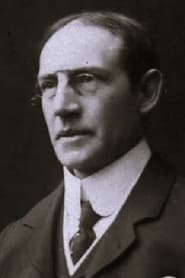
H. Cooper Cliffe was a stage and screen actor active in the silent-film era, best remembered today for appearing in the 1917 film version of "Raffles, the Amateur Cracksman." He belongs to that generation of performers who moved between the legitimate stage and early motion pictures, bringing a theatrical background to silent-era screen acting. Surviving records on his life are limited, and many standard reference sources preserve only his credited film appearances rather than a full personal history. What can be established is that he was working in the 1910s, a period when film production was rapidly professionalizing and many actors from the theatre were being drawn into cinema. His screen career appears to have been brief or at least sparsely documented, which was not uncommon for performers of the period, especially those whose work was largely in supporting roles. Because of the fragmentary nature of the historical record, H. Cooper Cliffe is now primarily of interest to silent-cinema historians and researchers tracing the casts of early literary adaptations. His surviving legacy is therefore tied less to celebrity than to his place in the early industrial and artistic development of American film.
More about H. Cooper Cliffe
On screen
No detailed critical description of H. Cooper Cliffe's acting style has survived in the available historical record. As a performer working in the silent era, his screen acting would have depended on facial expression, gesture, and physically readable behavior rather than spoken dialogue. Given the era and the kinds of productions in which he appeared, his style was likely shaped by theatrical clarity and the needs of silent storytelling, emphasizing legibility, restraint where appropriate, and strong character definition.
In film history
H. Cooper Cliffe's cultural impact is best understood as part of the broader ecosystem of early silent cinema rather than through a large body of surviving stardom or widely celebrated performances. Actors like him helped bring established stagecraft into motion pictures at a time when feature films were still defining their acting conventions and audience expectations. His presence in a literary adaptation such as "Raffles, the Amateur Cracksman" reflects the silent era's reliance on recognizable story properties and seasoned performers to lend credibility to screen entertainment. Although he is not a major household name, his contribution belongs to the foundational labor of early film culture, where hundreds of working actors made the medium viable and expressive.
Later reputation
H. Cooper Cliffe's lasting legacy lies in historical film documentation and in the survival of his credit as part of a 1917 feature film cast. For historians of silent cinema, names like his are important because they help reconstruct the professional networks, casting practices, and performance traditions of the era. Even when a performer did not achieve enduring stardom, their work can illuminate the transition from theatre to cinema and the development of screen acting before the sound era. His legacy is therefore archival and contextual: he stands as one of many contributors whose careers collectively shaped early American film.
Influence
There is no well-documented evidence of H. Cooper Cliffe exerting a direct, named influence on later performers or directors. Indirectly, however, actors of his type influenced the silent-screen vocabulary through the theatrical skills they brought into film production during cinema's formative years. Their work helped establish the expressive standards that later actors refined and, in some cases, reacted against as film acting became more naturalistic in the 1920s and beyond. In this sense, his influence is historical rather than personal, embedded in the evolution of performance style during the silent era.
Off screen
Reliable public information about H. Cooper Cliffe's personal life is not readily available in surviving standard film references. No securely documented details were found concerning his family background, marriages, or private affairs. Like many minor or supporting players of the silent era, he appears to have left behind a thin biographical footprint outside the film credits that survive in archival sources. Researchers may need to consult period trade publications, theatre programs, or local records to establish more about his life.
Education
Unknown; no verifiable educational background is readily available in the surviving record.
Credits
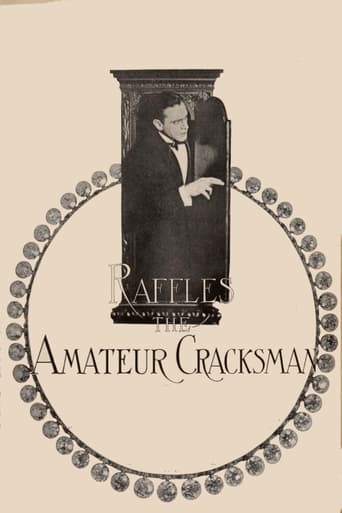
- Appeared in the 1917 silent feature "Raffles, the Amateur Cracksman," an early film adaptation of the popular gentleman-thief stories
- Represents the class of stage-trained supporting players who helped populate silent-era literary and crime melodramas
- Documented screen work places him within the formative years of feature-length American cinema
Roles
- Cast member in "Raffles, the Amateur Cracksman" (1917)
Films
Notes
- H. Cooper Cliffe is associated in surviving records primarily with a single known screen credit from 1917.
- His best-known film, "Raffles, the Amateur Cracksman," was based on a popular literary character, showing how early cinema adapted successful fiction for the screen.
- He appears to have been active during the silent era only, with no documented continuation into the sound period in readily available references.
- The limited surviving information about him is typical of many supporting actors from the 1910s, whose careers were often underdocumented.
- His name is preserved today mainly through cast listings and historical film databases rather than extensive biographical accounts.
- He is an example of the many stage-trained performers who crossed into film during the rapid expansion of feature production in the 1910s.
Questions
Who was H. Cooper Cliffe?
H. Cooper Cliffe was a silent-era actor known for appearing in the 1917 film "Raffles, the Amateur Cracksman." He is one of many early cinema performers whose surviving record is brief but historically useful for understanding the growth of feature filmmaking.
What films is H. Cooper Cliffe best known for?
He is best known for "Raffles, the Amateur Cracksman" (1917), which is the principal screen credit associated with his name in surviving reference materials. No broader filmography is readily confirmed from the available historical record.
When was H. Cooper Cliffe born and when did he die?
His birth and death dates are not readily available in surviving standard references. The historical record for many minor silent-era performers is incomplete, so those details remain unverified.
What awards did H. Cooper Cliffe win?
No awards or nominations are documented for H. Cooper Cliffe in the available record. That is not unusual for early silent-era supporting players, whose work was often not recognized with formal industry awards.
What was H. Cooper Cliffe's acting style?
A precise description is difficult because no detailed critical commentary on his performances has survived. As a silent-film actor, he would have relied on expressive gesture, facial communication, and theatrical clarity to convey character and emotion.
What is H. Cooper Cliffe's legacy in film history?
His legacy is primarily archival and historical, reflecting the many working actors who helped build silent cinema without becoming major stars. He remains part of the documented cast history of early feature films, especially literary adaptations like "Raffles, the Amateur Cracksman."