Vera Pashennaya
Actor
Born: September 19, 1887 in Moscow, Russian Empire Died: October 28, 1962 Active: 1907-1962 Birth Name: Vera Nikolaevna Pashennaya
Films
3 films
About Vera Pashennaya
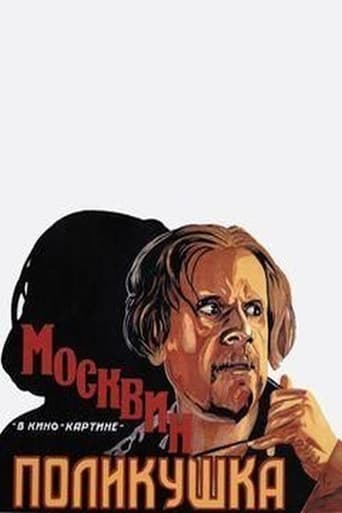
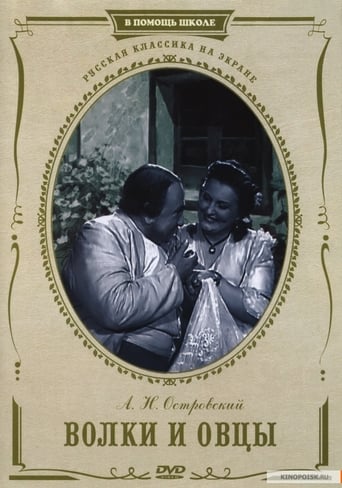
Vera Pashennaya was actresses of the Soviet era, renowned for her powerful performances in both theater and cinema. Born into a theatrical family in Moscow in 1887, she began her stage career at the Moscow Art Theatre (MKhAT) under the Konstantin Stanislavsky, where she developed her craft using his revolutionary acting system. Her transition to silent cinema in the early 1920s marked the beginning of a successful film career that would span three decades. Pashennaya's breakthrough film role came in 'Polikushka' (1922), directed by Alexander Sanin, where she demonstrated her remarkable ability to convey deep emotion through subtle gestures and expressions. Throughout the 1930s and 1940s, she balanced her stage work with film appearances, becoming particularly known for her portrayals of strong, complex female characters. Her later career saw her receive numerous honors from the Soviet government, including the prestigious title of People's Artist of the USSR. Even in her later years, she continued to perform both on stage and in films, with 'Wolves and Sheep' (1953) standing as one of her final cinematic achievements. Her influence extended beyond performance, as she also taught acting at the Moscow Art Theatre School, helping to shape the next generation of Soviet performers.
The Craft
On Screen
Pashennaya excelled in the Stanislavski system, known for her deeply psychological approach to character development. Her performances combined emotional intensity with meticulous attention to detail, creating characters that were both authentic and compelling. She excelled at portraying complex female protagonists, bringing depth and nuance to roles that ranged from tragic heroines to strong-willed matriarchs. Her transition from silent to sound cinema was seamless, as her expressive technique worked equally well in both mediums.
Milestones
- Debut at Moscow Art Theatre (1907)
- Breakthrough role in 'Polikushka' (1922)
- Awarded People's Artist of the RSFSR (1937)
- Received Order of Lenin (1948)
- Awarded People's Artist of the USSR (1954)
- Final film appearance in 'Wolves and Sheep' (1953)
- Taught at Moscow Art Theatre School (1940s-1950s)
Best Known For
Iconic Roles
Must-See Films
Accolades
Won
- People's Artist of the RSFSR (1937)
- Stalin Prize (1943)
- Order of Lenin (1948)
- People's Artist of the USSR (1954)
- Order of the Red Banner of Labour (1951)
Special Recognition
- Honored Artist of the RSFSR (1933)
- Member of the Communist Party (1940)
Working Relationships
Worked Often With
Studios
Why They Matter
Impact on Culture
Vera Pashennaya played a crucial role in establishing the standards of Soviet realistic acting, embodying the ideals of socialist realism while maintaining artistic integrity. Her performances helped define the archetypal Soviet woman in both theater and cinema, portraying characters who were strong, resilient, and ideologically sound. As a leading figure at the Moscow Art Theatre, she helped preserve and evolve Stanislavski's legacy, ensuring his methods remained relevant throughout the Soviet period. Her work in film, particularly during the transition from silent to sound cinema, demonstrated how theatrical techniques could be adapted for the screen.
Lasting Legacy
Pashennaya's legacy endures through her contributions to Soviet acting pedagogy and the numerous students she influenced who went on to become major figures in Russian theater and film. Her interpretations of classic Russian plays, particularly Chekhov's works, remain reference points for contemporary performers. The Moscow Art Theatre continues to honor her memory as one of its most artists. Her film performances, though fewer in number than her stage work, are studied as examples of how theatrical acting can successfully translate to cinema.
Who They Inspired
Pashennaya influenced generations of Soviet and Russian actors through her performances and teaching. Her approach to character development, combining psychological depth with social consciousness, became a model for Soviet actors. Many of her students at the Moscow Art Theatre School became leading figures in Soviet cinema and theater. Her work helped establish the distinctive style of Soviet acting that balanced emotional authenticity with ideological requirements.
Off Screen
Pashennaya was deeply dedicated to her craft and the Moscow Art Theatre, which became both her professional home and family. She married fellow actor Nikolai Massalitinov, though their marriage ended in divorce. She had no children of her own but mentored countless young actors throughout her teaching career. Her personal life was marked by her unwavering commitment to Soviet cultural values and the theater, often prioritizing her work above personal relationships.
Education
Graduated from Moscow Art Theatre School under Konstantin Stanislavsky (1907)
Family
- Nikolai Massalitinov (1910s-1920s)
Did You Know?
- She was one of the few actresses to successfully transition from silent films to sound films in Soviet cinema
- Pashennaya performed in over 50 stage productions at the Moscow Art Theatre
- She was known for her photographic memory and could recall entire plays after a single reading
- During World War II, she performed for soldiers at the front lines
- She maintained a lifelong friendship with fellow actress Alla Tarasova
- Her performance in 'Polikushka' was praised by Maxim Gorky
- She was among the first Soviet actors to receive the title People's Artist of the USSR
- Pashennaya never left the Soviet Union, unlike many of her contemporaries who emigrated
- She continued performing on stage until the year of her death
- Her apartment in Moscow became a gathering place for theatrical intellectuals
In Their Own Words
The actor must not play, but live the role on stage
Stanislavsky taught us that truth in art is more important than beauty
Theater is not entertainment, it is a moral responsibility
Every role must be approached with the same seriousness as if it were your last
Frequently Asked Questions
Who was Vera Pashennaya?
Renowned Soviet actress who excelled in both theater and cinema during the first half of the 20th century. She was a leading performer at the Moscow Art Theatre and appeared in several significant Soviet films, including 'Polikushka' (1922) and 'Wolves and Sheep' (1953).
What films is Vera Pashennaya best known for?
Titles linked here include Polikushka (1922), Wolves and Sheep (1953).
When was Vera Pashennaya born and when did she die?
Born September 19, 1887; died October 28, 1962.
What awards did Vera Pashennaya win?
Pashennaya received numerous honors including People's Artist of the RSFSR (1937), the Stalin Prize (1943), Order of Lenin (1948), and the prestigious title People's Artist of the USSR (1954). She was also awarded the Order of the Red Banner of Labour in 1951.
What was Vera Pashennaya's acting style?
Pashennaya excelled in the Stanislavski system, known for her deeply psychological approach to character development. Her performances combined emotional intensity with meticulous attention to detail, creating authentic and compelling characters, particularly in her portrayals of strong female protagonists.