David Smith
Director
Born: October 28, 1872 in Faversham, Kent, England Died: April 20, 1952 Active: 1915-1925
Films
2 films
About David Smith
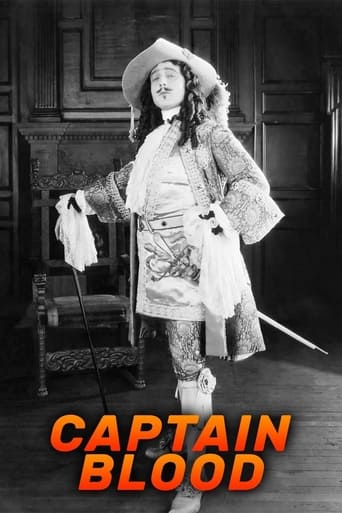
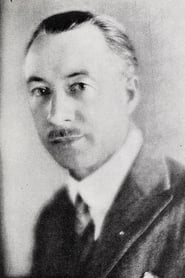
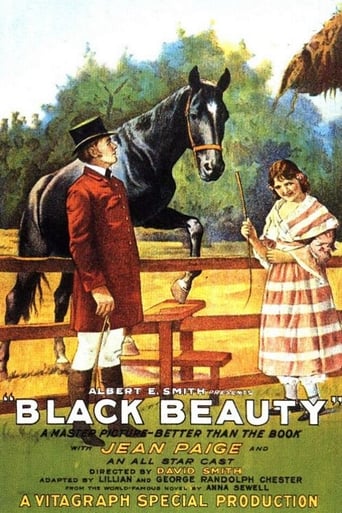
American film director during the silent era, active primarily in the 1910s and 1920s. He worked extensively for Vitagraph Studios, where he directed numerous feature films and shorts throughout his career. His 1924 adaptation of Captain Blood was one of his most notable works, though it has been overshadowed by the later 1935 sound version starring Errol Flynn. Smith was the younger brother of Albert E. Smith, a film executive and co-founder of Vitagraph Studios, which likely helped facilitate his entry into the film industry. His directing roughly a decade, during which he helmed dozens of productions ranging from short comedies to dramatic features. As the silent era transitioned to sound in the late 1920s, Smith's career in directing appears to have diminished, as was common for many silent-era filmmakers who struggled to adapt to the new technology. He passed away in 1952, having witnessed the complete transformation of the film industry from its early days to the Golden Age of Hollywood.
The Craft
Behind the Camera
David Smith's directing style was characteristic of the silent era, emphasizing visual storytelling and dramatic gestures. His films featured the typical techniques of early cinema, including intertitles for dialogue and exaggerated performances to convey emotion without sound. As a studio director for Vitagraph, he worked efficiently within the studio system, producing films that followed the popular genres and narrative structures of the time. His adaptation of Captain Blood demonstrated his ability to handle swashbuckling adventure and period pieces, utilizing the limited but effective special effects available in the 1920s.
Milestones
- Directed Captain Blood (1924)
- Prolific director at Vitagraph Studios
- Directed over 50 films during silent era
- Transitioned from shorts to feature films
- Part of early Hollywood film industry
Best Known For
Must-See Films
Working Relationships
Worked Often With
Studios
Why They Matter
Impact on Culture
David Smith contributed to the development of early narrative cinema during a crucial period in film history. As a director during the silent era, he helped establish the visual language and storytelling techniques that would become the foundation of cinematic art. His work at Vitagraph Studios, one of the film companies, placed him at the forefront of Hollywood's emergence as the global center of film production. While his individual films may not be as well-remembered today as those of more famous contemporaries, his prolific output represents the collective effort of countless early filmmakers who transformed cinema from a novelty into a sophisticated art form.
Lasting Legacy
David Smith's legacy lies primarily in his contribution to the silent era of American cinema, a period that established many of the conventions still used in filmmaking today. His 1924 version of Captain Blood, while overshadowed by the later sound adaptation, represents an early attempt to bring swashbuckling literature to the screen, demonstrating the industry's growing ambition to adapt literary works. As part of the Vitagraph Studios team, Smith was involved in creating content that entertained millions of Americans during the formative years of cinema. His career exemplifies the journey of many early directors who were essential to building the film industry but whose names have faded from popular memory as cinema evolved.
Who They Inspired
While specific information about David Smith's direct influence on other filmmakers is limited, his work as a silent-era director contributed to the collective knowledge and techniques that subsequent generations of filmmakers would build upon. The visual storytelling methods, editing techniques, and narrative structures employed in his films were part of the developing language of cinema that would influence countless directors who followed. His adaptation of popular novels like Captain Blood helped establish the practice of literary adaptation in Hollywood, a tradition that continues to this day. As part of the early studio system, his efficient production methods and genre work contributed to the industrial model of filmmaking that would dominate Hollywood for decades.
Off Screen
David Smith was born in England but moved to the United States where he built his career in the burgeoning film industry. He was the younger brother of Albert E. Smith, who co-founded Vitagraph Studios,. This family connection undoubtedly provided him with opportunities in the film industry during its formative years. Unlike many of his contemporaries in Hollywood, Smith maintained a relatively low public profile, focusing primarily on his work behind the camera. He lived through the complete transformation of cinema from silent films to talkies and witnessed the rise of the studio system.
Education
Information not available
Family
- Information not available
Did You Know?
- Brother of Vitagraph Studios co-founder Albert E. Smith
- Directed the first film adaptation of Captain Blood in 1924
- His 1924 Captain Blood is now considered a lost film
- Worked exclusively during the silent era
- Directed over 50 films in a career spanning roughly a decade
- Born in England but built his career in American cinema
- Part of the transition from short films to feature-length productions
- His career ended as the sound era began
- Vitagraph Studios was eventually acquired by Warner Bros.
- Many of his films were typical of the popular genres of the 1920s
In Their Own Words
Information not available
Frequently Asked Questions
Who was David Smith?
American on YTB.my. He worked for Vitagraph Studios and directed numerous films, including the 1924 adaptation of Captain Blood. He was the brother of Albert E. Smith, co-founder of Vitagraph Studios.
What films is David Smith best known for?
Titles linked here include Captain Blood (1924), The Fortune Hunter (1920).
When was David Smith born and when did he die?
Born October 28, 1872; died April 20, 1952.
What awards did David Smith win?
There are no recorded awards or nominations for David Smith in available historical records. This was common for many directors during the silent era, as the major award systems like the Academy Awards were not established until later in his career.
What was David Smith's directing style?
David Smith's directing style was characteristic of the silent era, emphasizing visual storytelling, dramatic gestures, and intertitles for dialogue. He worked efficiently within the studio system and was adept at handling various genres, particularly adventure films like Captain Blood.
How is David Smith related to Albert E. Smith?
David Smith was the younger brother of Albert E. Smith, who was a film pioneer and co-founder of Vitagraph Studios. This family connection likely helped David establish his career in the early film industry.
Is the 1924 version of Captain Blood still available to watch?
Unfortunately, David Smith's 1924 version of Captain Blood is now considered a lost film, meaning no known copies exist. This is common for many silent films, as the nitrate film stock used during that era was highly flammable and many films were not preserved properly.