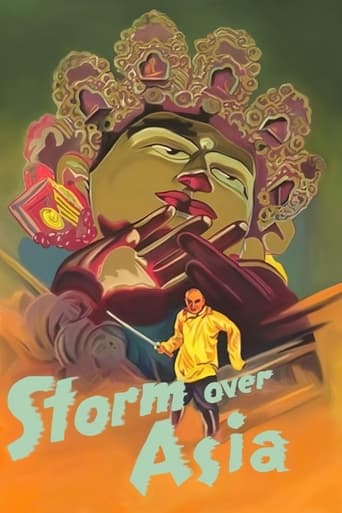
Films
1 film
About L. Belinskaïa
L. Belinskaïa was cast in Vsevolod Pudovkin's revolutionary silent film 'Storm Over Asia' in 1928. Her career appears to have been extremely brief, with this being her only known film credit. The film itself was a significant work in Soviet cinema, part of Pudovkin's revolutionary trilogy that included 'Mother' and 'The End of St. Petersburg.' Like many actors from this period, especially those in smaller roles, detailed biographical information is scarce. The film was set in Mongolia and dealt with themes of anti-imperialism and class struggle, reflecting the ideological concerns of early Soviet cinema. Her participation in this production places her within the important artistic movement that helped establish Soviet film as a major force in world cinema during the 1920s.
The Craft
Milestones
- Appeared in Vsevolod Pudovkin's 'Storm Over Asia' (1928)
Best Known For
Iconic Roles
Must-See Films
Working Relationships
Worked Often With
Studios
Why They Matter
Impact on Culture
L. Belinskaïa's contribution to cinema, while limited to a single known film, places her within the important context of early Soviet revolutionary cinema. 'Storm Over Asia' was part of a crucial period in film history when Soviet directors were new cinematic techniques and using film as a tool for ideological education. The film itself was internationally recognized and helped establish Soviet cinema's reputation for artistic innovation and political messaging. Even minor performers in these productions were part of a movement that would influence global cinema for decades to come.
Lasting Legacy
Due to the extremely limited documentation of her career, L. Belinskaïa's legacy is primarily tied to her participation in. Like many supporting actors from the silent era, especially in Soviet cinema, her individual contributions have been largely lost to film history, though the film she appeared in remains an important work studied by film scholars and historians.
Who They Inspired
There is no documented evidence of L. Belinskaïa's influence on other performers or filmmakers, which is typical for actors with very brief or minor film careers in this period.
Off Screen
Very little is known about L. Belinskaïa's personal life, which is common for minor actors from the early Soviet cinema period. Many performers from this era, especially those with brief careers or small roles, were not extensively documented in historical records.
Did You Know?
- 'Storm Over Asia' was also known internationally as 'The Heir of Genghis Khan'
- The film was part of director Vsevolod Pudovkin's revolutionary trilogy
- The movie was shot on location in Mongolia, unusual for its time
- Many Soviet actors from the 1920s used initials rather than full names in credits
- The film was considered lost for many years before being rediscovered
- Early Soviet cinema often featured non-professional actors in supporting roles
- The film's themes dealt with anti-imperialism and class struggle
- 1928 was near the end of the silent era in Soviet cinema
Frequently Asked Questions
Who was L. Belinskaïa?
Soviet actress from the silent film era, known primarily for her appearance in Vsevolod Pudovkin's 1928 film 'Storm Over Asia.' Her career appears to have been extremely brief with this being her only documented film credit.
What films is L. Belinskaïa best known for?
Titles linked here include Storm Over Asia (1928).
When was L. Belinskaïa born and when did she die?
Specific birth and death dates for L. Belinskaïa are not documented in available historical records, which is common for minor actors from early Soviet cinema.
What awards did L. Belinskaïa win?
There are no recorded awards or nominations for L. Belinskaïa, which is typical for supporting actors with very brief careers in the 1920s Soviet film industry.
What was the significance of 'Storm Over Asia'?
'Storm Over Asia' was a landmark Soviet silent film that dealt with revolutionary themes and anti-imperialism. It was internationally acclaimed and helped establish Soviet cinema's reputation for artistic innovation and political messaging during the late 1920s.