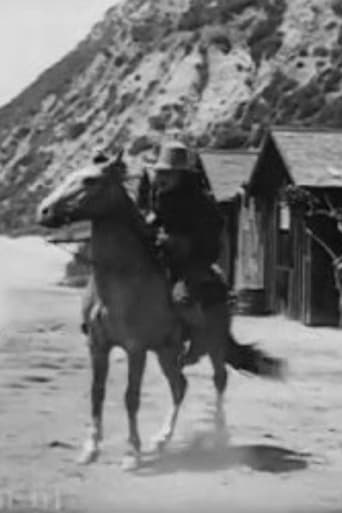
Eagle Eye
Actor
- Active
- 1911-1911
Films 1
About Eagle Eye
Eagle Eye is an obscure early American screen performer credited in the 1911 silent film The Redemption of Red Rube, one of the many short productions made during the formative years of the U.S. film industry. Surviving reference sources do not appear to preserve reliable biographical detail about this performer, and it is likely that "Eagle Eye" was a screen name, nickname, or a credited character-style moniker rather than a fully documented legal identity. Like many one-reel era players, Eagle Eye seems to have worked in a period when cast lists were often incomplete, performers were sometimes unbilled, and company records have not survived in a form that allows modern historians to reconstruct full careers with certainty. The available evidence suggests a very limited or at least very sparsely documented screen career, with 1911 as the only confirmed active year currently associated with the name. Because of the lack of dependable archival data, no verified information can be given about birth, death, family background, training, or subsequent work in film or theater. Eagle Eye remains representative of the many ephemeral figures who helped populate early silent cinema but whose names survived only in fragmentary credits and film trade references.
More about Eagle Eye
In film history
Eagle Eye’s cultural importance lies less in a documented star persona and more in what the name represents: the thousands of early film participants whose work helped build the silent cinema industry while leaving only faint traces in the historical record. Performers like this illustrate how quickly the early American film business expanded, with many shorts made in 1911 relying on local talent, stock players, or regional casts whose identities were often never fully archived. For modern film historians, a credit like Eagle Eye’s is valuable because it helps map the personnel networks of early production and underscores how much of silent-era labor remains partially anonymous. Even a single surviving credit can be meaningful evidence of the collaborative and experimental environment in which early narrative film developed.
Later reputation
Eagle Eye’s legacy is archival rather than star-driven, preserved chiefly through filmography databases and surviving credits rather than through a body of well-known performances. The name stands as a reminder of the fragility of early cinema history, in which countless actors appeared in films that are lost, poorly documented, or only briefly noted in trade publications. In classic-cinema study, such figures are important because they expand the record beyond the famous names and reveal the broader ecosystem of performers who made early films possible. Eagle Eye therefore occupies a small but legitimate place in silent-film historiography as part of the anonymous workforce of the medium’s earliest years.
Influence
There is no evidence that Eagle Eye exerted a documented influence on later actors or directors, and no direct legacy of technique or performance can be verified. Any influence would have been indirect and structural: participation in the early silent film economy contributed to the development of acting conventions, ensemble production methods, and the rapid growth of screen storytelling. As with many obscure early performers, the main historical influence is the example of presence itself—proof that early cinema depended on a large, largely uncelebrated body of working actors. Their surviving credits help researchers understand how the industry functioned before formal star systems and modern publicity fully crystallized.
Off screen
No reliable personal-life information has been preserved in readily available film-historical references for Eagle Eye. There is no verified data on marriages, family, residence, education, or activities outside the single documented screen credit. This absence of detail is common for minor or briefly employed silent-era performers, many of whom worked before systematic publicity and record-keeping were established. Until archival evidence such as studio paperwork, trade notices, or census records is found, any reconstruction of personal life would be speculative.
Credits
- Screen credit for The Redemption of Red Rube (1911), an early silent-era production
- Participation in the formative one-reel period of American cinema
- Survival in historical records as a named credited performer despite otherwise sparse documentation
- Association with an early 1910s filmography that reflects the transient nature of many early screen careers
Roles
- Role in The Redemption of Red Rube (1911)
Films
- The Redemption of Red Rube (1911)
Notes
- Eagle Eye is credited in The Redemption of Red Rube (1911), but no other film credits are securely established in the currently available record.
- The name may have been a nickname, a stage identifier, or a role-style credit rather than a conventional full legal name.
- Like many performers from 1911, Eagle Eye worked during the period when film credits were often inconsistent or incomplete.
- The surviving record demonstrates how many early silent-era actors are known today only from a single title listing.
- There is no verified biographical information currently available about Eagle Eye in mainstream reference sources.
- This performer is a good example of the many obscure names that appear in silent-film databases even when full life details have been lost.
Questions
Who was Eagle Eye?
Eagle Eye was an obscure early silent-film actor credited in The Redemption of Red Rube (1911). Very little biographical information survives about this performer, and no reliable record currently identifies a full life story, birth details, or broader career.
What films is Eagle Eye best known for?
Eagle Eye is best known for The Redemption of Red Rube (1911), which is the only securely documented credit currently associated with the name. No additional filmography can be verified from the surviving record.
When was Eagle Eye born and when did they die?
The birth and death dates of Eagle Eye are not currently known. Available sources do not provide verified information on birthplace, lifespan, or death circumstances.
What awards did Eagle Eye win?
No awards or nominations are currently documented for Eagle Eye. As a minimally recorded early silent-era performer, they do not appear to have left an awards trail in surviving sources.
What was Eagle Eye's acting style?
There is no surviving critical description of Eagle Eye’s acting style. Because the documented filmography is so limited, any assessment of performance technique would be speculative rather than evidence-based.
What is Eagle Eye's legacy in film history?
Eagle Eye’s legacy is mainly historical and archival: the name survives as part of the record of early American silent cinema. The credit helps illustrate how many performers from the 1910s contributed to film history even though their personal biographies were never thoroughly preserved.