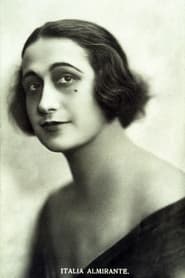
Italia Almirante-Manzini
Actor
Born: June 3, 1890 in Lecce, Kingdom of Italy Died: September 15, 1941 Active: 1911-1930 Birth Name: Italia Almirante Manzini
Films
2 films
About Italia Almirante-Manzini
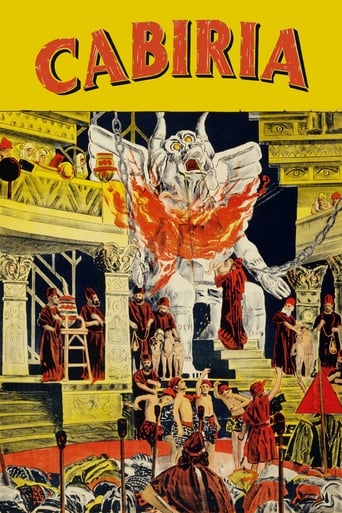
Italian silent film actress who rose to prominence during the golden age of Italian cinema in the 1910s. Born into the renowned Almirante theatrical family, she began her career on stage before transitioning to the burgeoning film industry. Her breakthrough role came as Sophonisba in Giovanni Pastrone's 1914 epic 'Cabiria,' which showcased her dramatic talents and established her as one of Italy's leading film actresses. Throughout her career, she became known for her powerful screen presence and ability to convey deep emotion through the silent medium. Almirante-Manzini worked with many of Italy's most important early directors and appeared in numerous historical epics and melodramas that were popular in Italian cinema of the era. Her the entire silent period, and she successfully adapted her acting style as cinema evolved from its primitive beginnings to more sophisticated storytelling techniques. Though her film career waned with the advent of sound, she remained a respected figure in Italian cultural circles until her death.
The Craft
On Screen
Almirante-Manzini was known for her dramatic, expressive acting style typical of the silent era, characterized by grand gestures and intense facial expressions that could convey complex emotions without dialogue. She specialized in playing strong, often tragic female characters in historical epics and melodramas, bringing a theatrical gravitas to her film performances. Her technique evolved from the exaggerated style of early cinema to more nuanced performances as film acting matured throughout the 1910s and 1920s.
Milestones
- Breakthrough role as Sophonisba in Cabiria (1914)
- Leading actress for Itala Film studio
- One of the highest-paid Italian actresses of the 1910s
- Transition from stage to film successfully
- Member of the prestigious Almirante acting dynasty
- Starred in over 50 films during her career
Best Known For
Iconic Roles
Must-See Films
Accolades
Special Recognition
- Recognized as one of the actresses of Italian cinema
- Honored in Italian film retrospectives and silent cinema festivals
Working Relationships
Worked Often With
Studios
Why They Matter
Impact on Culture
Italia Almirante-Manzini was instrumental in establishing the archetype of the strong female lead in Italian cinema, particularly in historical epics that celebrated Italy's classical past. Her performance in 'Cabiria' helped demonstrate the artistic potential of feature-length films and influenced the development of cinematic storytelling worldwide. As one of Italy's first true film stars, she helped bridge the gap between theatrical tradition and the new medium of cinema, bringing legitimacy to film acting as an art form. Her work contributed to the international recognition of Italian cinema during its golden age in the 1910s.
Lasting Legacy
Almirante-Manzini's legacy endures through her groundbreaking work in early Italian cinema, particularly her role in 'Cabiria,' which remains. She is remembered as a figure who helped establish the star system in Italian cinema and demonstrated the power of female leads in historical epics. Film historians recognize her as an important transitional figure between 19th-century theatrical traditions and 20th-century film acting. Her contributions are celebrated in retrospectives of silent cinema and studies of early film history.
Who They Inspired
Almirante-Manzini influenced subsequent generations of Italian actresses through her dramatic intensity and ability to command the screen in silent films. Her work in historical epics helped establish conventions for female leads in costume dramas that would persist throughout cinema history. International filmmakers, including D.W. Griffith, were influenced by the Italian epics she starred in, which helped shape the development of cinematic language. Her success demonstrated that women could be major box office draws in the early film industry, paving the way for future female stars.
Off Screen
Italia Almirante-Manzini came from the Almirante family, which included several prominent actors in Italian theater and film. She married Mario Manzini, hence her hyphenated surname. The family was deeply involved in Italian cultural life, with multiple generations pursuing careers in the performing arts. Despite her film stardom, she maintained connections to the theatrical world throughout her life. She lived through the dramatic changes in Italian society and politics during the early 20th century, including World War I and the rise of fascism.
Education
Trained in theater and acting through family tradition and formal stage training
Family
- Mario Manzini (1915-1941)
Did You Know?
- Part of the famous Almirante acting family that spanned multiple generations
- Her role in 'Cabiria' was
- The film 'Cabiria' was over 3 hours long and one of the first true feature films
- She was among the highest-paid actresses in Europe during the 1910s
- Her cousin was the famous Italian actor Mario Almirante
- Appeared in both Italian and international productions
- Successfully made the transition from stage acting to film when many actors struggled with the new medium
- Her performances were studied by early film theorists as examples of cinematic acting
- Worked during a period when Italian cinema dominated international markets
- Her career coincided with the peak of Italian silent film production before Hollywood's ascendancy
In Their Own Words
(On silent acting) 'The eyes must speak when the lips cannot.'
(On Cabiria) 'We were not making a film, we were creating history on celluloid.'
Frequently Asked Questions
Who was Italia Almirante-Manzini?
Italian silent film actress who rose to fame in the 1910s, best known for her role as Sophonisba in the groundbreaking 1914 epic 'Cabiria.' She was one of Italy's first true film stars and came from a theatrical family.
What films is Italia Almirante-Manzini best known for?
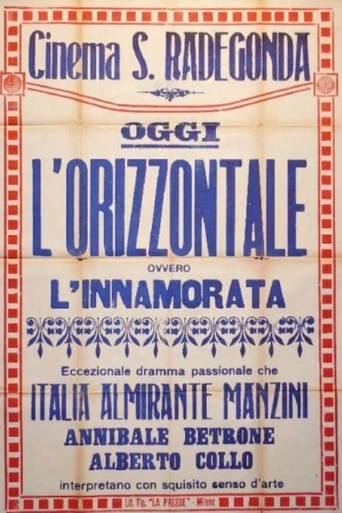
Titles linked here include Cabiria (1914), Il fuoco (1915).
When was Italia Almirante-Manzini born and when did she die?
Born June 3, 1890; died September 15, 1941.
What awards did Italia Almirante-Manzini win?
During her active years, formal film awards were not yet established, so she received no official awards. However, she was recognized as.
What was Italia Almirante-Manzini's acting style?
Her acting style was dramatic and expressive, typical of the silent era, characterized by grand gestures and intense facial expressions. She specialized in playing strong, often tragic female characters in historical epics, bringing theatrical gravitas to her film performances that could convey complex emotions without dialogue.
How was she related to the Almirante acting family?
Italia was born into the renowned Almirante theatrical dynasty, which included multiple generations of prominent Italian actors. Her cousin Mario Almirante also became a notable actor and director in Italian cinema.
Why was 'Cabiria' so significant in film history?
'Cabiria' was revolutionary as one of the first feature-length films, running over three hours. It pioneered cinematic techniques like the moving camera and influenced filmmakers worldwide, including D.W. Griffith. Italia's performance as Sophonisba was central to the film's impact.
What happened to her career with the advent of sound?
Like many silent film stars, Almirante-Manzini's career declined with the transition to sound films in the late 1920s. She made fewer films in the early sound era before retiring from acting, though she remained respected in Italian cultural circles.